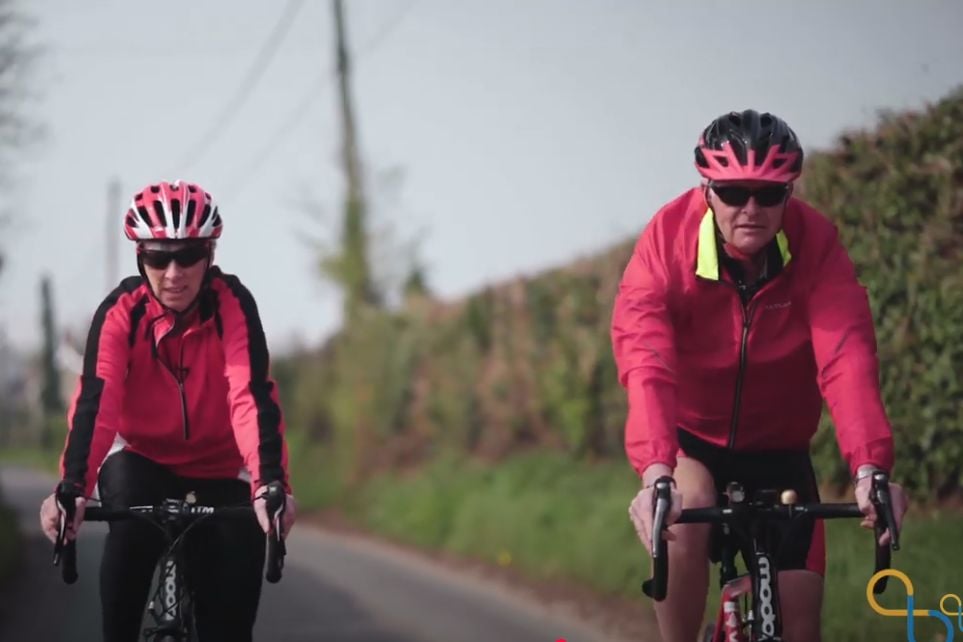
Drinking & Smoking’s Rush to Alzheimer’s
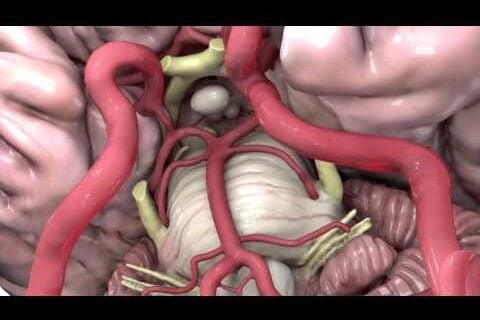
VIDEO If you live to 85, there’s a 50/50 chance of getting a dementia such as Alzheimer’s. What if you could improve those odds by

VIDEO If you live to 85, there’s a 50/50 chance of getting a dementia such as Alzheimer’s. What if you could improve those odds by

VIDEO+ARTICLE CARE TIP: Midnight snacks are great on New Year’s Eve and even greater on midnight dementia-care shifts. Learn how late-night munchies solved a nurse’s wandering & behavior problems.

BRAIN-HEALTHY RECIPE: Ring in the New Year in style and moderation with this tantalizing sangria.

NEW STUDY: Beetroot is known for improving blood flow—but that may matter more for dementia than many people realize. See the evidence and and what caregivers should realistically take from it.

Exploring evidence on rosemary and lavender scents and cognitive performance.

If you couldn’t see your mashed potatoes, you probably wouldn’t eat them. That’s why what “The Red Plate Study” found was astonishing! Alzheimer’s patients eating from red plates consumed 25 percent more food than those eating from white plates. Find out why.

New research suggests choline—a nutrient linked to memory and cognitive resilience—may help people with Alzheimer’s and at high dementia risk. Here’s why nuts, a heart-healthy and cholesterol-free food, can play a powerful role in daily dementia care.

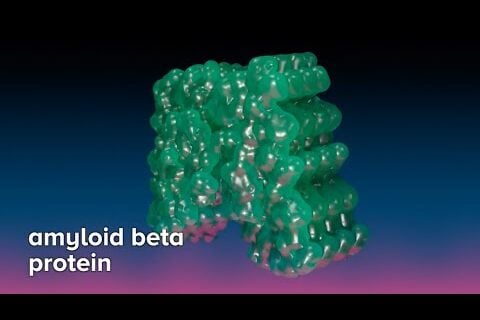
A new study suggests a simple nutrient — arginine — may reduce amyloid-β buildup in Alzheimer’s. The findings, from animal studies, raise an encouraging question: could arginine eventually play a role in Alzheimer’s prevention? Here’s what the research shows — and what caregivers should know.

A growing body of research shows that what we eat can make a real difference in how the brain ages. Discover the everyday foods that strengthen memory, support cognition, and help reduce the impact of Alzheimer’s — starting with simple choices you can make today.

DIET: MAGNESIUM appears to do a lot to maintain brain health, prevent cognitive impairment (CI), and fight Alzheimer’s. Learn how.

COCHRANE SERIES, PART 3 – DEEP DIVE: False alarm. The Cochrane Review shook confidence in Leqembi. It rests on a scientific threshold its own source publicly disowned. Here’s why the evidence did not justify the alarm.

When we honestly ask ourselves, which person in our lives means the most to us, We find that it is those who have chosen to

COCHRANE SERIES, PART 2 – HOW IT HAPPENED: A new review just went viral in the media, declaring Alzheimer’s drugs don’t work. Leading scientists say the methodology was fundamentally flawed.

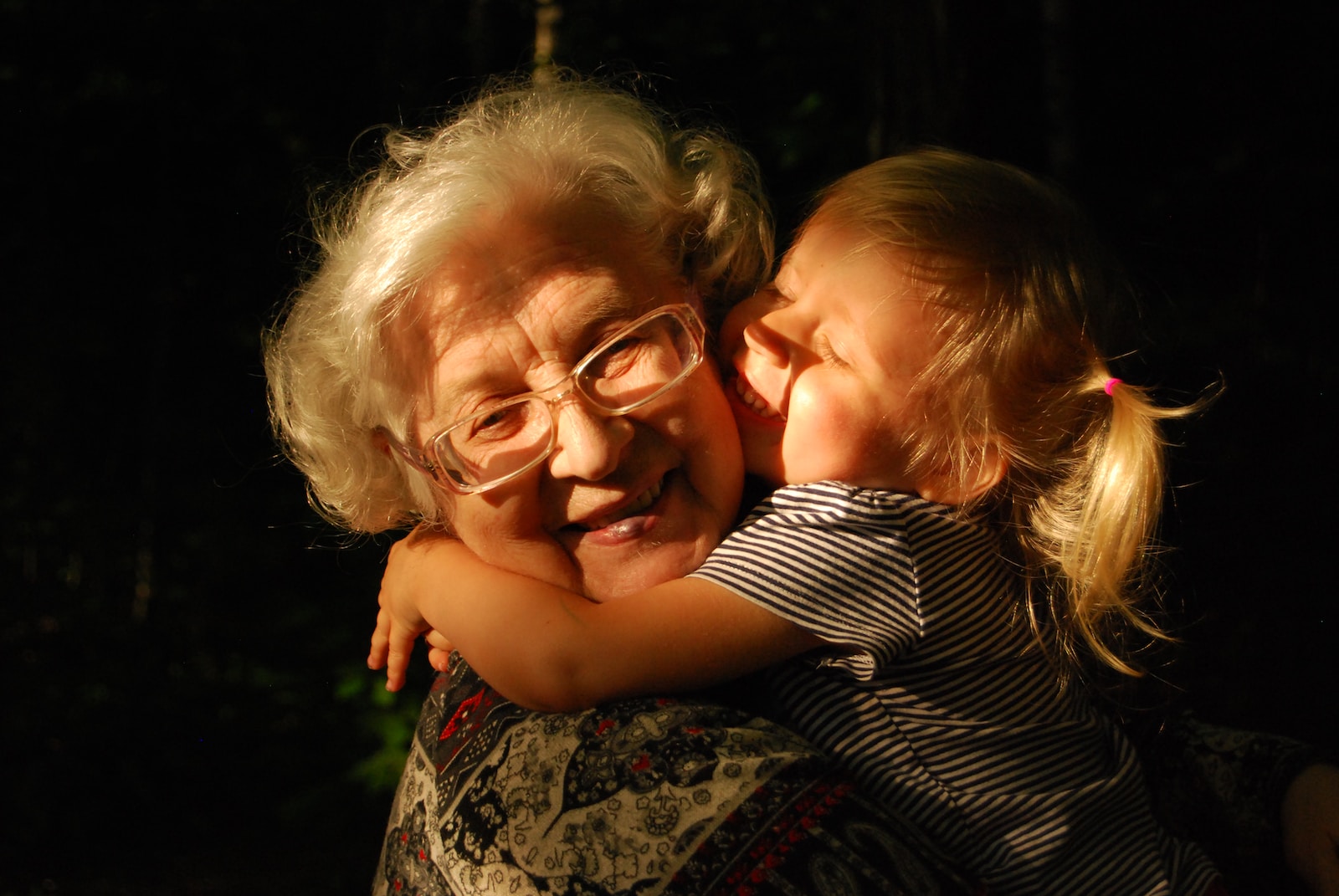
An intriguing study of 120 grandmothers might surprise you. Doctors know socially engaged people have better cognition and less dementia. But can a person get too much of a good thing? What’s the right balance?

Enjoy this great duet between a musician with dementia and his son. A triumph of spirit over Alzheimer’s! Sing-a-long if you like!

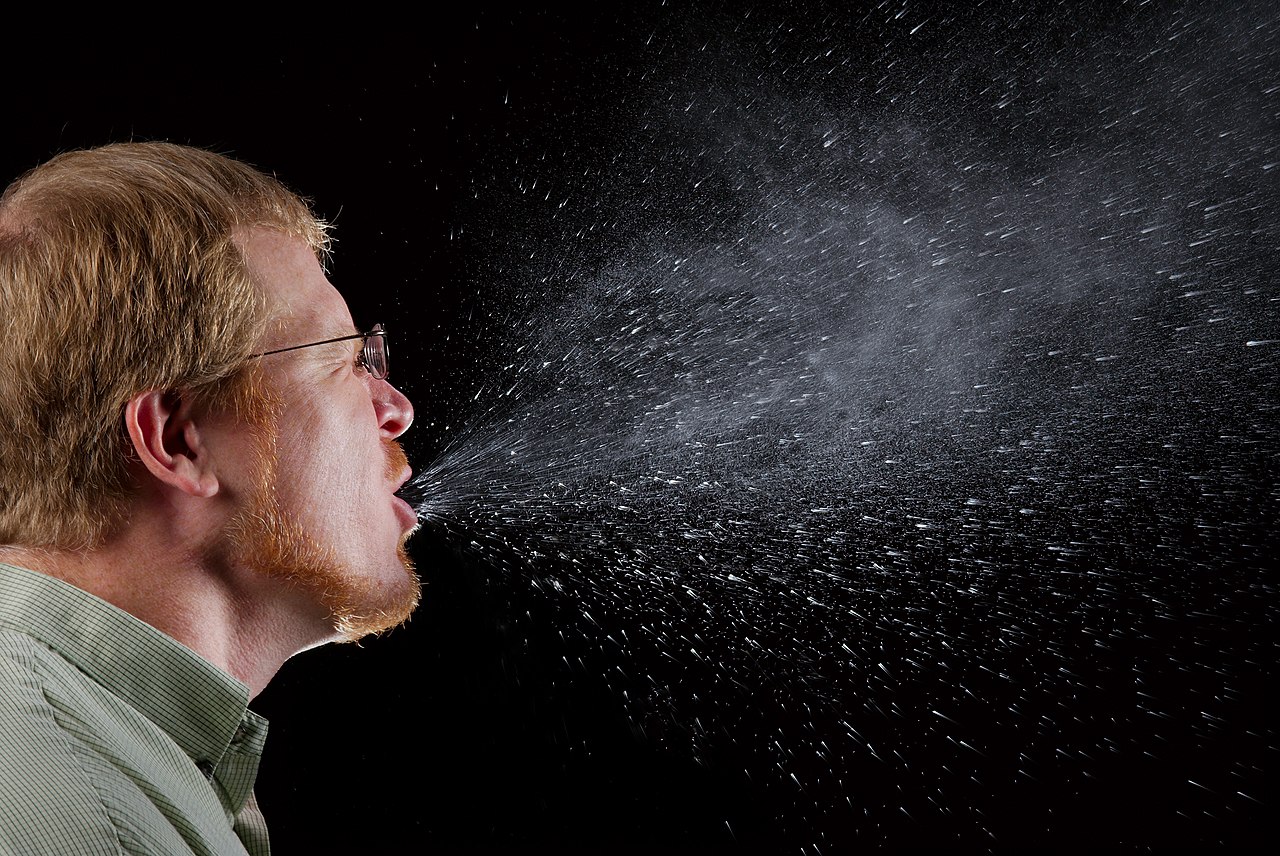
It looks like a sneeze cannot give anyone Alzheimer’s. While Alzheimer’s abnormal disease proteins do spread from cell-to-cell, they are not “infectious”. Check out the facts.

TEEPA CARE VIDEO: Learn about Alzheimer’s 6 stages. Teepa Snow shows what to expect, while keeping the focus on the person for whom you care.
No spam, only news and updates.


We use cookies and similar technologies to improve your experience, understand how our content is used, and support relevant advertising that helps keep Alzheimer’s Weekly free to readers. You can choose to accept, deny, or manage your preferences at any time. Declining certain cookies may affect features such as embedded videos, comments, and personalized advertising.