Diet’s Effect on 500,000 British Brains
Our change in diet has been proposed as being the underlying reason for the dramatic increase in the prevalence of Type II diabetes that we are observing worldwide in our time. What’s that doing to our brains?
Our change in diet has been proposed as being the underlying reason for the dramatic increase in the prevalence of Type II diabetes that we are observing worldwide in our time. What’s that doing to our brains?

A preclinical study finds that a natural component in basil reduces neurotoxicity in the Alzheimer’s brain. Learn more.

PREVENTION VIDEOS: Learn secrets to grow old gracefully, with little dementia, from centenarians on the Greek island of Ikaria.

RECIPE: “Brain foods” are neuroprotective, fighting Alzheimer’s by lowering risk and helping to resist cognitive decline. This flavorful dish combines 4 of the best “brain foods”: fish, coconut oil, curry and fenugreek. Enjoy its Indian flair.

Nature provides some of the best therapies for Alzheimer’s. Daffodils specifically from Wales are a big source of Galanthamine for Alzheimer’s. Rosemary competes head-on with the Alzheimer’s drug donepezil. Learn more about these natural sources.

DIET VIDEO: See the results of a full-blown double-blind randomized trial where saffron was added to a dementia diet.

DIET RESEARCH: Learn how diet, exercise and watching your weight will prevent insulin-resistance, and as a result, protect your brain.
Memory is particularly vulnerable to the effects of insulin resistance, according to a 20-year study.

J147 is a derivative of curry’s turmeric spice. It beat the Alzheimer’s drug Aricept (generic: donepezil) on several memory tests. The Salk Institute says it may benefit Parkinson’s, Huntington’s & vascular dementia.

VIDEO + INFO: Cheaper than drugs, natural MCT OIL (Medium Chain Triglycerides) generates ketones, which can boost energy to brain cells in dementia. What are healthy food sources? How much is best?

DIET VIDEO + ARTICLE: Healthy? Normal blood sugar? No diabetes? Even so, find out how the more sugar you eat, the less memory you get.

Healthy foods make a healthy brain. Healthy food NETWORKS (which are the foods you eat together), may offer an even bigger benefit.

A powerful song about an 80-year-old professor losing memory due to Alzheimer’s. A tribute and a call for understanding, love, and support.
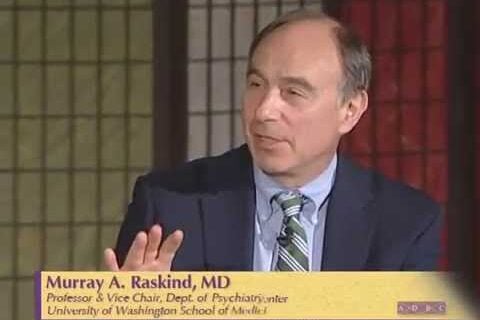
People with dementia deserve dignity and have rights. Where do we draw the line between encouraging personal choices versus following what caregivers think is best? See Dr. Murray Raskin & Dr. Linda Teri offer experienced tips.

Three important dementia studies focus on HS-AGING, a type of dementia almost as common as Alzheimer’s in the 85+ group. Yet few people have heard of it. Why? What makes it different?
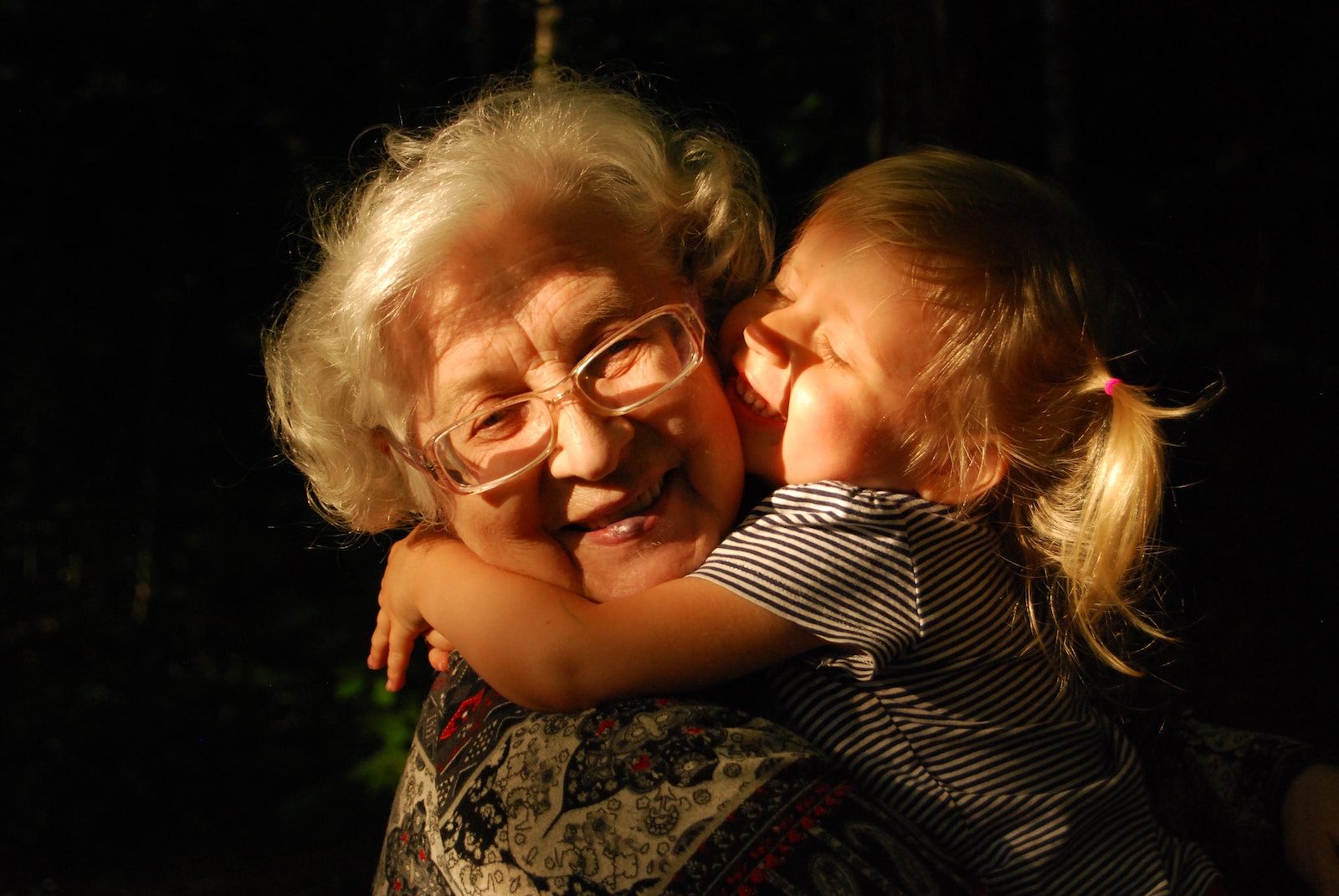
An intriguing study of 120 grandmothers might surprise you. Doctors know socially engaged people have better cognition and less dementia. But can a person get too much of a good thing? What’s the right balance?

Enjoy this great duet between a musician with dementia and his son. A triumph of spirit over Alzheimer’s! Sing-a-long if you like!
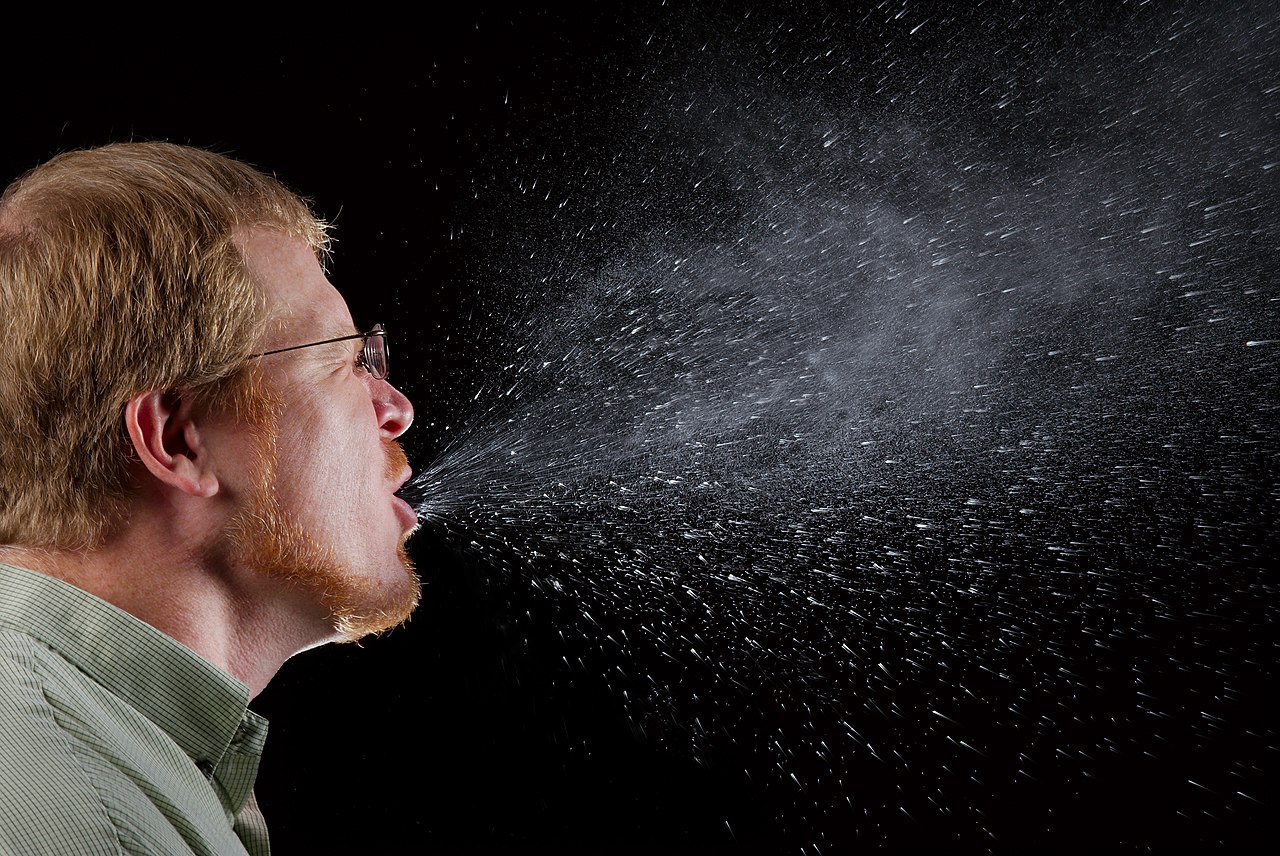
It looks like a sneeze cannot give anyone Alzheimer’s. While Alzheimer’s abnormal disease proteins do spread from cell-to-cell, they are not “infectious”. Check out the facts.