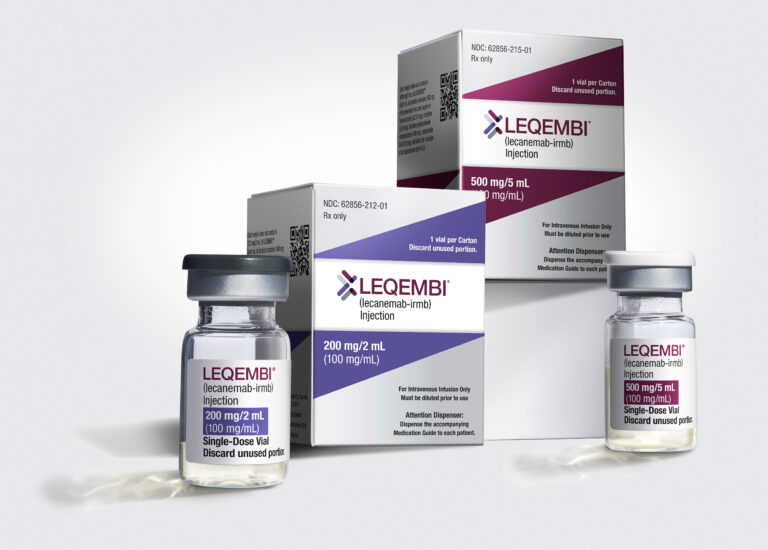
Alzheimer’s Drug Leqembi Gets Full FDA and MEDICARE Approval
First drug to modestly slow Alzheimer’s cognitive decline, based on 1,800 patients.
First drug to modestly slow Alzheimer’s cognitive decline, based on 1,800 patients.
The FDA Advisory Committee’s endorsement of Leqembi paves way for traditional approval, ushers in a new era for Alzheimer’s

Researchers find that people with dementia who received the drug suvorexant showed a drop in tau and amyloid beta. The drug is already available for sleep problems in Alzheimer’s. Learn more.

NAMENDA® / EBIXA® (generic MEMANTINE) is FDA-approved for Alzheimer’s. Learn about new research on how it may help in preventing or slowing dementia.
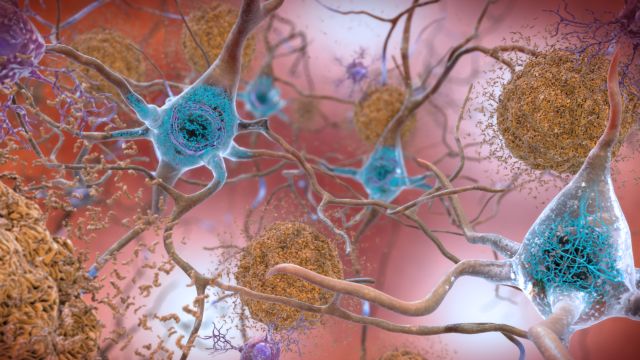
Research shows that lecanemab is the first drug ever to slow cognitive decline in Alzheimer’s. Learn more.

People with Alzheimer’s are often prescribed drugs for other conditions — including diabetes or high blood pressure — at the same doses as those without dementia. That practice might need to be reexamined.

Fifty percent of people with Lewy Body Dementia said they were originally misdiagnosed with a type of dementia such as Alzheimer’s. Find out how LBD is exquisitely sensitive to certain medications, and why an early, accurate diagnosis is critical.
See safety and effectiveness rankings for four Alzheimer’s drugs. Ranked on concentration, memory, alertness and mood, learn what the researchers found.
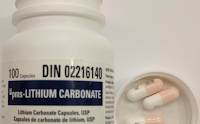
A study at McGill University shows that lithium given in micro doses may be capable of both halting signs of advanced Alzheimer’s pathology and recovering lost cognitive abilities.

People with Parkinson’s were given the oral drug rivastigmine (brand name Exelon®). They were 45% less likely to fall and were considerably steadier when walking. Learn more about this dementia drug and fall prevention.
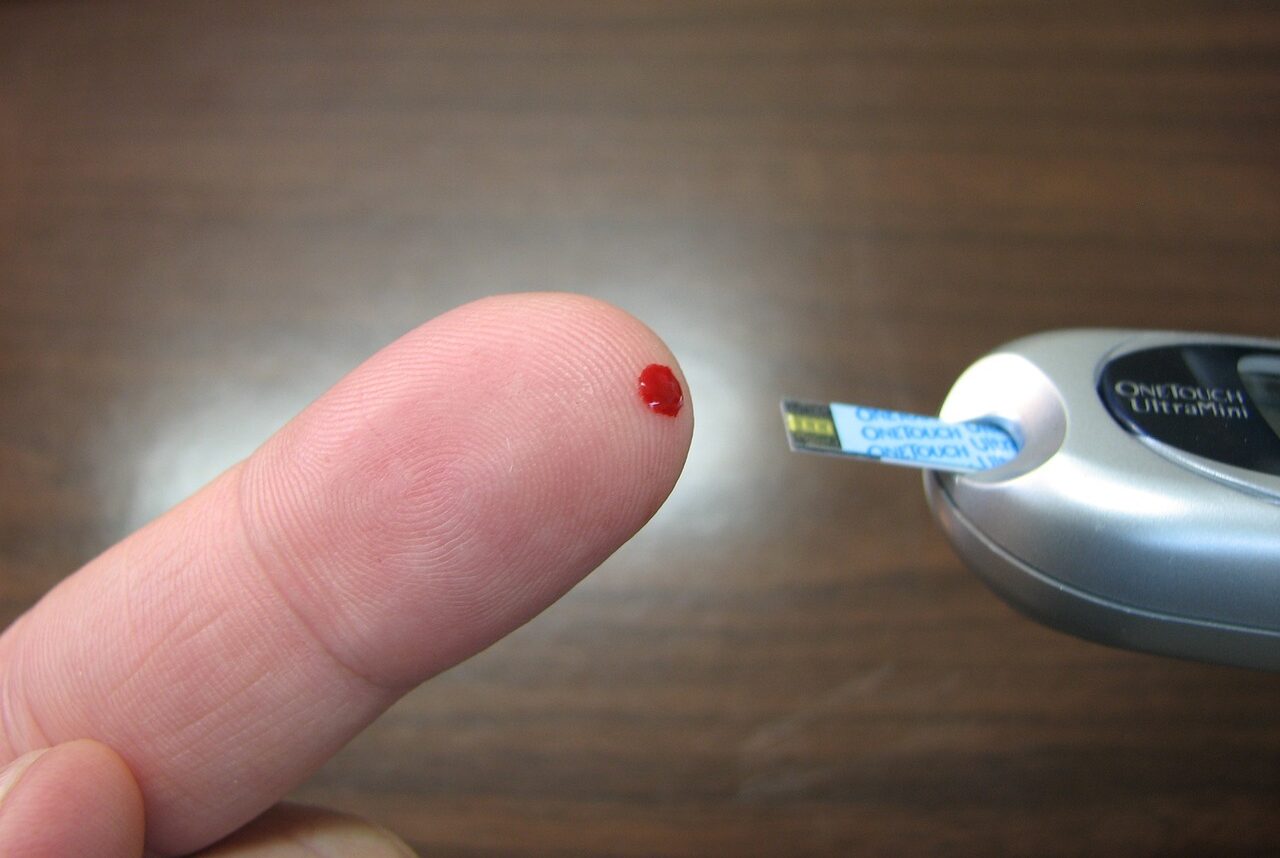
Mayo Clinic, America’s top research center, asked, “Is Alzheimer’s triggered by a form of brain diabetes?” An insulin nasal spray may help.
In a study on health & cynicism, people were asked how much they agree with statements such as, “I think most people would lie to get ahead,” and “It is safer to trust nobody”. The clear connection between their answers and their risk of dementia may startle you.
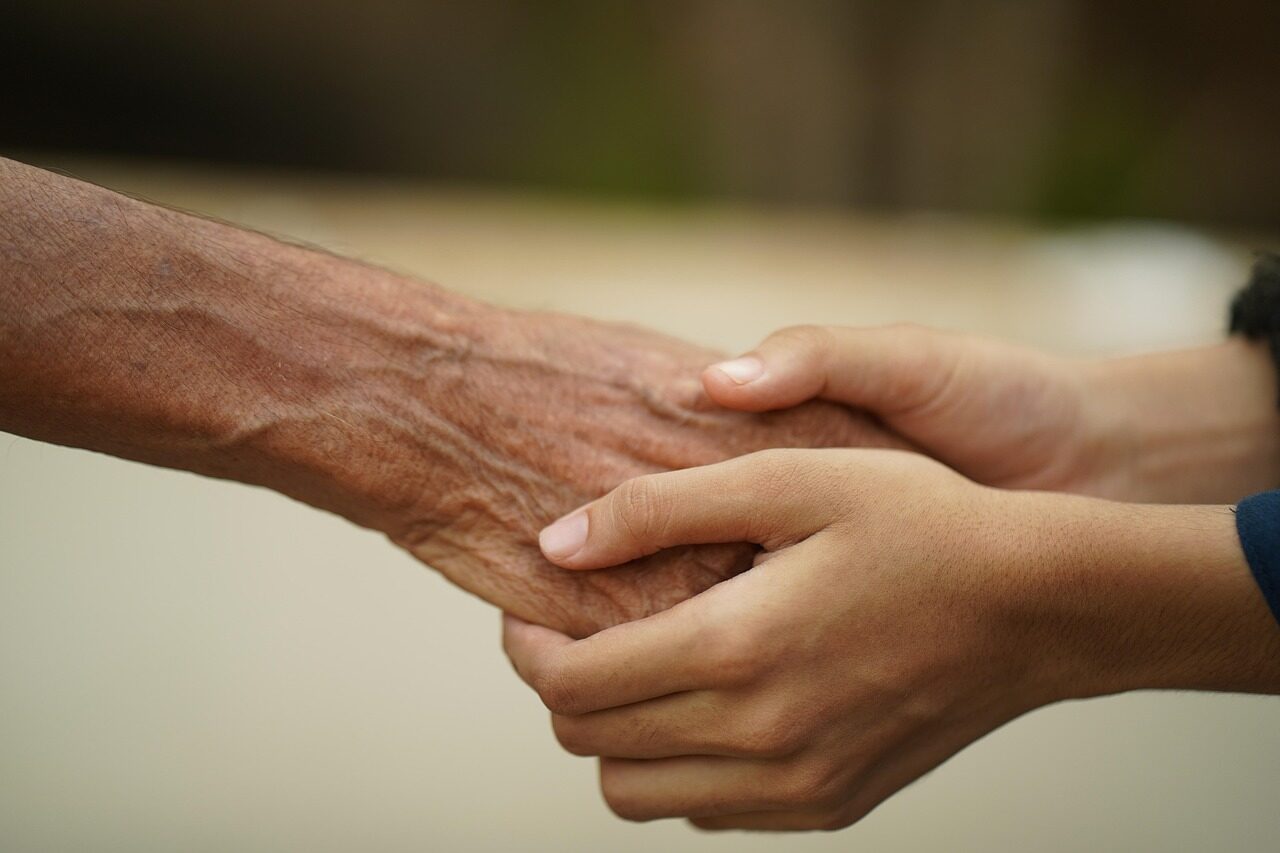
TEEPA SNOW: EXPLORE how touch has a profound impact on human connection in dementia care, with Teepa Snow, MS, OTR/L. Teepa shares why physical contact is vital and how there are different reactions to touch and need for touch. Discover the importance of understanding surprising reactions from people with dementia.

One woman held the genetic key to unlock the mystery of how she was the only one free of early-onset Alzheimer’s, out of 1,200 members of a South American family,

Researchers say it takes a dozen “intervention sessions” to improve cognition in those at risk for Alzheimer’s and other dementias.
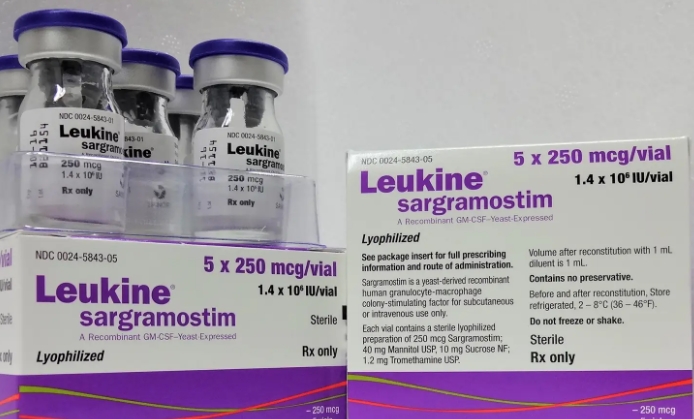
FDA-approved Sargramostim, a normal human protein, improved memory and cognition in Alzheimer’s patients in a Phase II clinical trial. The drug is safe and well-tolerated, and has been used for other disorders for 30 years.

This carpool sing-a-long between a father with dementia and his son went viral. $50,000 in donations poured into the Alzheimer’s Society. Enjoy their great music. Sing along if you can!