Lecanemab First Drug to Slow Alzheimer’s Decline
Research shows that lecanemab is the first drug ever to slow cognitive decline in Alzheimer’s. Learn more.
Research shows that lecanemab is the first drug ever to slow cognitive decline in Alzheimer’s. Learn more.

People with Alzheimer’s are often prescribed drugs for other conditions — including diabetes or high blood pressure — at the same doses as those without dementia. That practice might need to be reexamined.

Fifty percent of people with Lewy Body Dementia said they were originally misdiagnosed with a type of dementia such as Alzheimer’s. Find out how LBD is exquisitely sensitive to certain medications, and why an early, accurate diagnosis is critical.

See safety and effectiveness rankings for four Alzheimer’s drugs. Ranked on concentration, memory, alertness and mood, learn what the researchers found.
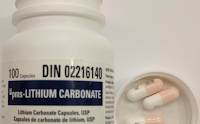
A study at McGill University shows that lithium given in micro doses may be capable of both halting signs of advanced Alzheimer’s pathology and recovering lost cognitive abilities.

People with Parkinson’s were given the oral drug rivastigmine (brand name Exelon®). They were 45% less likely to fall and were considerably steadier when walking. Learn more about this dementia drug and fall prevention.

EXCELLENT VIDEO: COMPREHENSIVE, CLEAR, UP-TO-DATE Everything you ever wanted to know about medications & supplements for Alzheimer’s and related dementias.

FDA CommissionerScott Gottlieb NEWS VIDEO + ARTICLE: 17 Alzheimer’s supplement manufacturers received FDA warnings about 58 illegal below-standard products.
OFF-LABEL: An approved prescription drug for high blood pressure is showing promise against Parkinson’s, Huntington’s and other forms of dementia, in experimental studies in the
HELPFUL MEDICATIONS:
Diabetes can increase Alzheimer’s risk. Learn how drug treatments for diabetes bring that risk back down.

Where words fail, music speaks. See how music can be a very powerful vehicle for communication in the various stages of dementia.

VIDEO RECIPE + RESEARCH: Enjoy a brain-boost along with great flavor. This Mediterranean-Diet plate is loaded with neuroprotective turmeric & cumin. With delicious brain-nutrients from coconut or olive oil, the flavor is exotic yet close-to-home!

VIDEO & ARTICLE: 500,000 family and professional caregivers have experienced The Virtual Dementia Tour®. It simulates Alzheimer’s for caregivers. It boosts their level of care and motivation. See how it works.

Three important dementia studies focus on HS-AGING, a type of dementia almost as common as Alzheimer’s in the 85+ group. Yet few people have heard of it. Why? What makes it different?
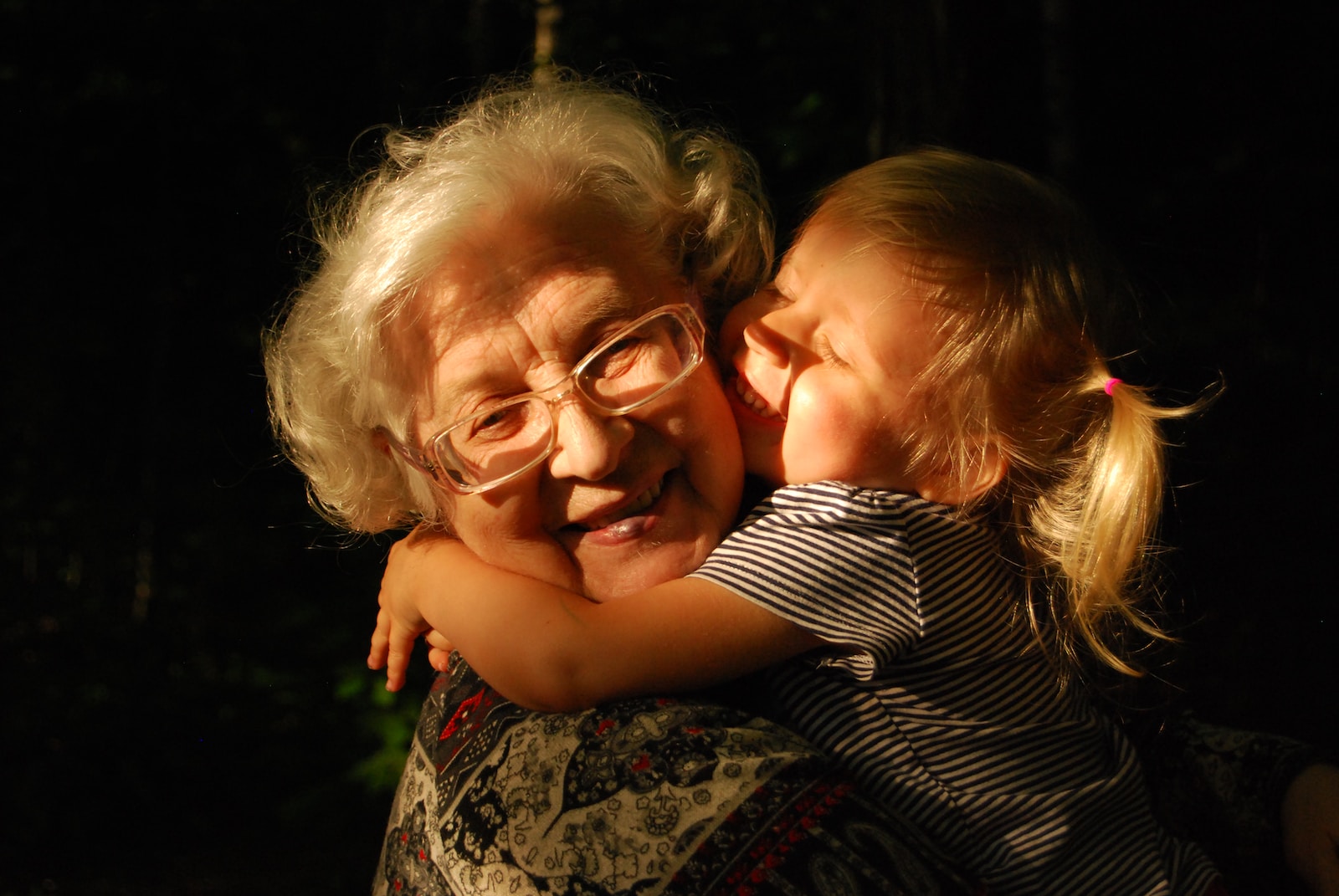
An intriguing study of 120 grandmothers might surprise you. Doctors know socially engaged people have better cognition and less dementia. But can a person get too much of a good thing? What’s the right balance?

Enjoy this great duet between a musician with dementia and his son. A triumph of spirit over Alzheimer’s! Sing-a-long if you like!

It looks like a sneeze cannot give anyone Alzheimer’s. While Alzheimer’s abnormal disease proteins do spread from cell-to-cell, they are not “infectious”. Check out the facts.