Got Diabetes? 2 Ways to Lower Dementia Risk
Diabetes and prediabetes are dementia risk factors. They affect 1 in 7 adults! Learn about new research to lower that risk with lifestyle and drugs.

Diabetes and prediabetes are dementia risk factors. They affect 1 in 7 adults! Learn about new research to lower that risk with lifestyle and drugs.

DIET VIDEO + ARTICLE: Healthy? Normal blood sugar? No diabetes? Even so, find out how the more sugar you eat, the less memory you get.

ASTONISHING VIDEO & ARTICLE: Dementia-risk was tested for 17 sugar levels in 2000 people. Each higher level bumped up the risk, without exception. See why researchers found these results so compelling.

TEDx HEALTH VIDEO:
Alzheimer’s & brain insulin are so strongly connected, it’s earned Alzheimer’s the nickname, “Type-3 Diabetes.” Watch this eye-opening, entertaining video to understand the connection. Find out what you can do.

SUGAR raises diabetes AND dementia risk. Will research into the hormone “amylin” reveal the reason why?

HELPFUL MEDICATIONS:
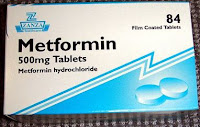
Diabetes can increase Alzheimer’s risk. Learn how drug treatments for diabetes bring that risk back down.

HEALTH ARTICLE, 25-POINT CHECKLIST: MEND is UCLA’s 25-step personalized program to reverse memory loss. Nine of 10 participants displayed significant memory improvements. Learn how. Includes

SUGAR’S TIPPING POINT: Molecular links between blood sugar and Alzheimer’s were established by scientists. They show how excess blood sugar damages a vital enzyme involved

CLINICAL TRIALS: Find out why researchers think spraying nasal insulin through the nose can improve cognition, memory and daily function in people with Alzheimer’s. Learn

Diabetics get a lot more dementia than the average person. Yet diabetics taking FDA-approved Actos get a lot LESS dementia than the average person – 47% less. That’s about half the rate. Find out more.

A daily cup of tea — and other delicious options — could help you to enjoy better health late in life. Read on to learn more.

Research shows that a blood test now on the market accurately identifies brain amyloid status with a single blood sample. In other words, this blood test can diagnose Alzheimer’s.

Is keeping seated and sedentary, while intellectually stimulated, part of the best way to care for your brain?

Melvyn Amrine may not have remembered the details of his life since his Alzheimer’s diagnosis, but he sure proved that his love for his wife transcended memory.

A daily cup of tea — and other delicious options — could help you to enjoy better health late in life. Read on to learn more.

Research shows that a blood test now on the market accurately identifies brain amyloid status with a single blood sample. In other words, this blood test can diagnose Alzheimer’s.

Is keeping seated and sedentary, while intellectually stimulated, part of the best way to care for your brain?
No spam, only news and updates.