International Space Station Attempting to Pinpoint the Cause of Alzheimer’s
VIDEO + ARTICLE: Earth’s gravity causes Alzheimer’s fibers to settle in the lab, before they can tangle. This is a big block in the search
VIDEO + ARTICLE: Earth’s gravity causes Alzheimer’s fibers to settle in the lab, before they can tangle. This is a big block in the search
VIDEO + ARTICLE: The Accelerating Medicines Partnership (AMP) is a bold new venture among the National Institutes of Health (NIH), 10 biopharmaceutical companies, and several
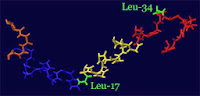
The Stable Isotope Labeling Kinetics (SILK™) blood test can catch Alzheimer’s years before signs appear. Learn about this important advance for prevention, treatment and research.
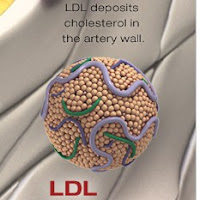
LDL cholesterol is nicknamed “bad cholesterol”. It adversely effects cell division. This bad cell division causes human cells to carry a 3rd copy of chromosome

VIDEO + ARTICLE: The A4 Study is a cutting-edge trial aimed at preventing Alzheimer’s. The clinical trial is testing healthy adults who are at risk

Find out how cotinine boosted Aricept’s ability to improve learning and memory. (Aricept is the most popular Alzheimer’s drug. Cotinine is produced by the body when a person wears a nicotine patch. )

VIDEO: Harvard’s Dr. Tanzi is one of the world’s best-known Alzheimer’s geneticists. See him describe what Alzheimer’s researchers are looking for, how much they know,

In a recent study, insulin spray was delivered through the nose to people with Alzheimer’s and MCI. Learn about the memory improvements they achieved.
UPCOMING THERAPIES: Researchers know more about old drugs than new ones. That’s why they put a lot of effort into "repurposing" existing drugs to cure

FDA-Approved riluzole improved communication between neurons in the brain’s hippocampus. So Rockefeller University researchers are conducting a clinical trial to test the effectiveness of riluzole

Stand up for caregivers and all the great deeds they do, with the “Caregiver Bill of Rights”!

“SANDWICH GENERATION CAREGIVERS” live sandwiched between their kids and their Alzheimer’s parent. All the new activity can add to an already hectic schedule. 5 tips can help keep the balance.

LIVING-WITH-DEMENTIA VIDEO:
Christine Bryden was Senior Executive to Australia’s Prime Minister & mother of 3. She got dementia at 46. She then married, published books & became a grandma. Seventeen years after diagnosis, hear her feelings & helpful advice.

Three important dementia studies focus on HS-AGING, a type of dementia almost as common as Alzheimer’s in the 85+ group. Yet few people have heard of it. Why? What makes it different?
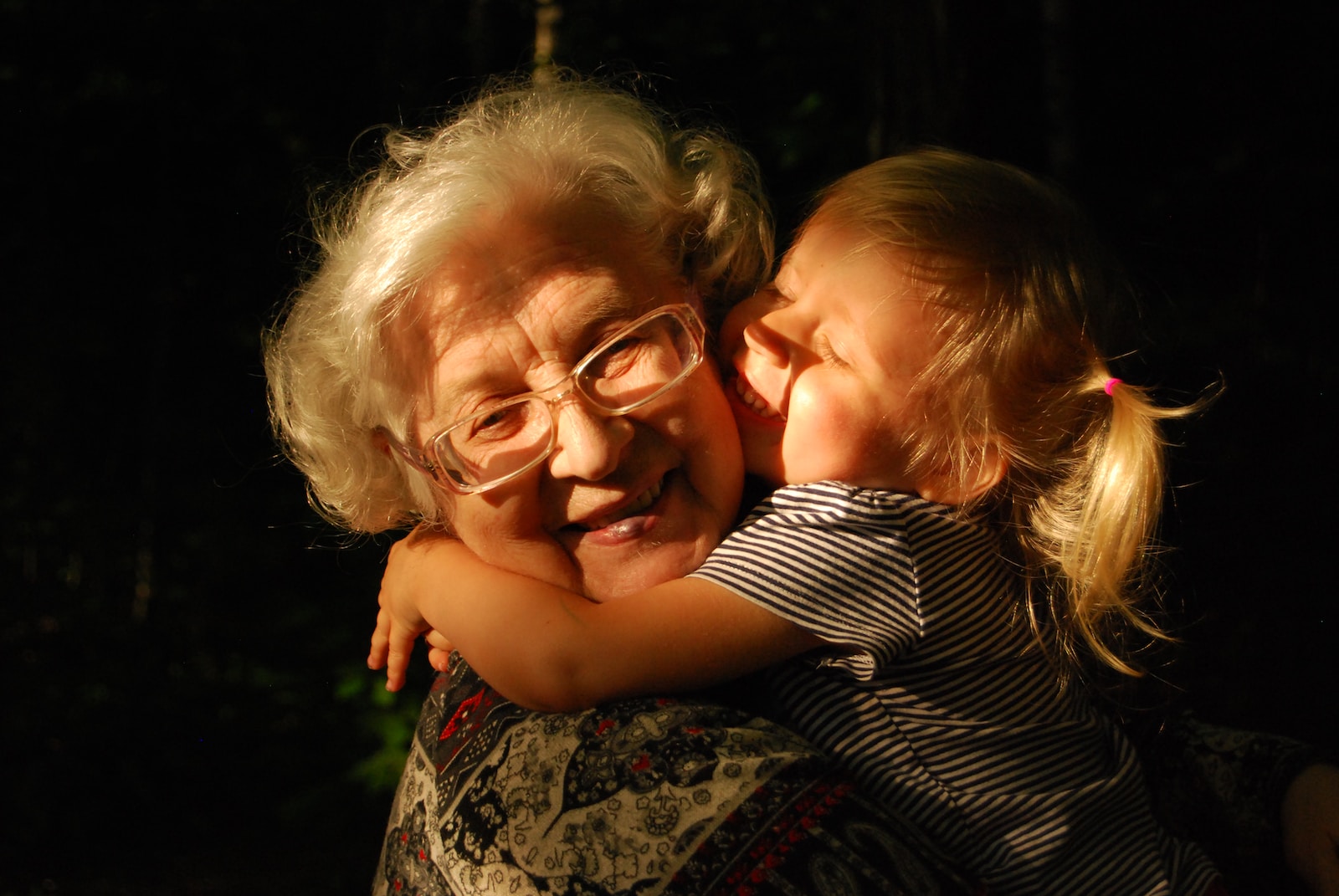
An intriguing study of 120 grandmothers might surprise you. Doctors know socially engaged people have better cognition and less dementia. But can a person get too much of a good thing? What’s the right balance?

Enjoy this great duet between a musician with dementia and his son. A triumph of spirit over Alzheimer’s! Sing-a-long if you like!

It looks like a sneeze cannot give anyone Alzheimer’s. While Alzheimer’s abnormal disease proteins do spread from cell-to-cell, they are not “infectious”. Check out the facts.