1st Implant of “Brain-Pacemaker” for Alzheimer’s
VIDEO + ARTICLE Researchers at Johns Hopkins Medicine surgically implanted a pacemaker-like device into the brain of a patient in the early stages of Alzheimer’s
VIDEO + ARTICLE Researchers at Johns Hopkins Medicine surgically implanted a pacemaker-like device into the brain of a patient in the early stages of Alzheimer’s
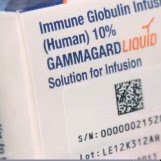
VIDEO & ARTICLE In trials, the most effective Alzheimer’s treatment so far is IVIG. At $50,000 per year, learn how scientists hope to bring down

VIDEO Watch this Wall Street Journal interview on why Dr. Wischik sees tau as a more worthwhile anti-Alzheimer’s target than plaque. Learn more about TauRx’

SURVEY RESULTS: HAPPY MOTHER’S DAY USA – The right words can help us rise to dementia’s challenges. Relish these valuable pieces of wisdom, gathered from grandmothers and mothers across the country.

(VIDEO) BOOK-OF-THE-WEEK: Dr. Gayatri Devi, Neurologist at NY’s Lenox Hill Hospital, released “The Spectrum of Hope: An Optimistic and New Approach to Alzheimer’s Disease and Other Dementias.” It details a plan for people with Alzheimer’s to live more empowered and productive lives.

Triheptanoin is available as a supplement or by prescription. A series of studies suggest it improves brain energy metabolism for people with Huntington’s disease. Learn how.

Three important dementia studies focus on HS-AGING, a type of dementia almost as common as Alzheimer’s in the 85+ group. Yet few people have heard of it. Why? What makes it different?

An intriguing study of 120 grandmothers might surprise you. Doctors know socially engaged people have better cognition and less dementia. But can a person get too much of a good thing? What’s the right balance?

Enjoy this great duet between a musician with dementia and his son. A triumph of spirit over Alzheimer’s! Sing-a-long if you like!

It looks like a sneeze cannot give anyone Alzheimer’s. While Alzheimer’s abnormal disease proteins do spread from cell-to-cell, they are not “infectious”. Check out the facts.