
Healing Gardens for Dementia
A new study reveals the power of gardens in helping staff provide good care for dementia. See how gardens offer benefits that are low-cost, drug-free and refreshing to both patient and carer.

Vascular Dementia: What’s Anger Got to Do with It?
Outbursts of anger may trigger strokes and other cardiovascular problems that are foundations of vascular dementia. The differences are not subtle, as angry people may be tripling their chances of a stroke leading to vascular dementia. Get the relevant details.

Hearing Aids Postpone Dementia for Seniors
A groundbreaking study determined hearing aids reduce cognitive decline. The extensive research spanned 25 years and included over 3,000 people. Find out how much hearing aids help.
50% Less Memory Loss by Improving Sight & Hearing
See how hearing aids and cataract surgery slow memory loss and fight cognitive decline. Learn what vision & hearing interventions can do to fight dementia.

CDK5 Blocker Has Remarkable Effect on Alzheimer’s
A new peptide may hold potential as an Alzheimer’s treatment
Researchers say the CDK5 Blocker peptide blocks a hyperactive brain enzyme that contributes to the neurodegeneration seen in Alzheimer’s and other diseases.

Non-Drug Therapies Can Treat Depression in Dementia
Non-drug therapies, such as exercise, appear to be as, or more, effective than drugs for reducing symptoms of depression in people with dementia, says a team of international researchers.

The “B-Sharp Program” Treats Alzheimer’s with Music
There’s fresh hope for people with Alzheimer’s in a new music program. It’s called, “B-Sharp”. See why.
Tips on Engaging Someone with Alzheimer’s
Activities are a cornerstone to dementia health. Watch now for some great tips on how to keep people with Alzheimer’s engaged.
Power Of Music On The Brain | Dementia & Parkinson’s
If toward the end of your life your mind was fading away, would your favorite songs help bring your memories back?

Agitation and Anxiety in Alzheimer’s
UCLA CAREGIVER TRAINING VIDEO: Agitation and anxiety create resistance in people with Alzheimer’s and frustration for their caregivers. Learn techniques to solve and resolve these difficult moments.

Dementia Alert: Alzheimer’s a Cold-Weather Danger
WEATHER ALERT – 9 WAYS TO STAY SAFE WITH DEMENTIA: People can lose body heat fast. That’s called hypothermia. Big chills and Alzheimer’s are a dangerous combination. Learn 9 ways to stay safe in cold weather.

Trip to the 1940’s Eases Alzheimer’s Symptoms
Desi has Alzheimer’s. She lives in a dementia facility with a 1940’s “Retro” living room and kitchen. Old-time music helps residents remember bygone days. It’s reminiscence as therapy. See it in action.

85 with Dementia? Good Chance It’s HS-AGING, Not Alzheimer’s
Three important dementia studies focus on HS-AGING, a type of dementia almost as common as Alzheimer’s in the 85+ group. Yet few people have heard of it. Why? What makes it different?
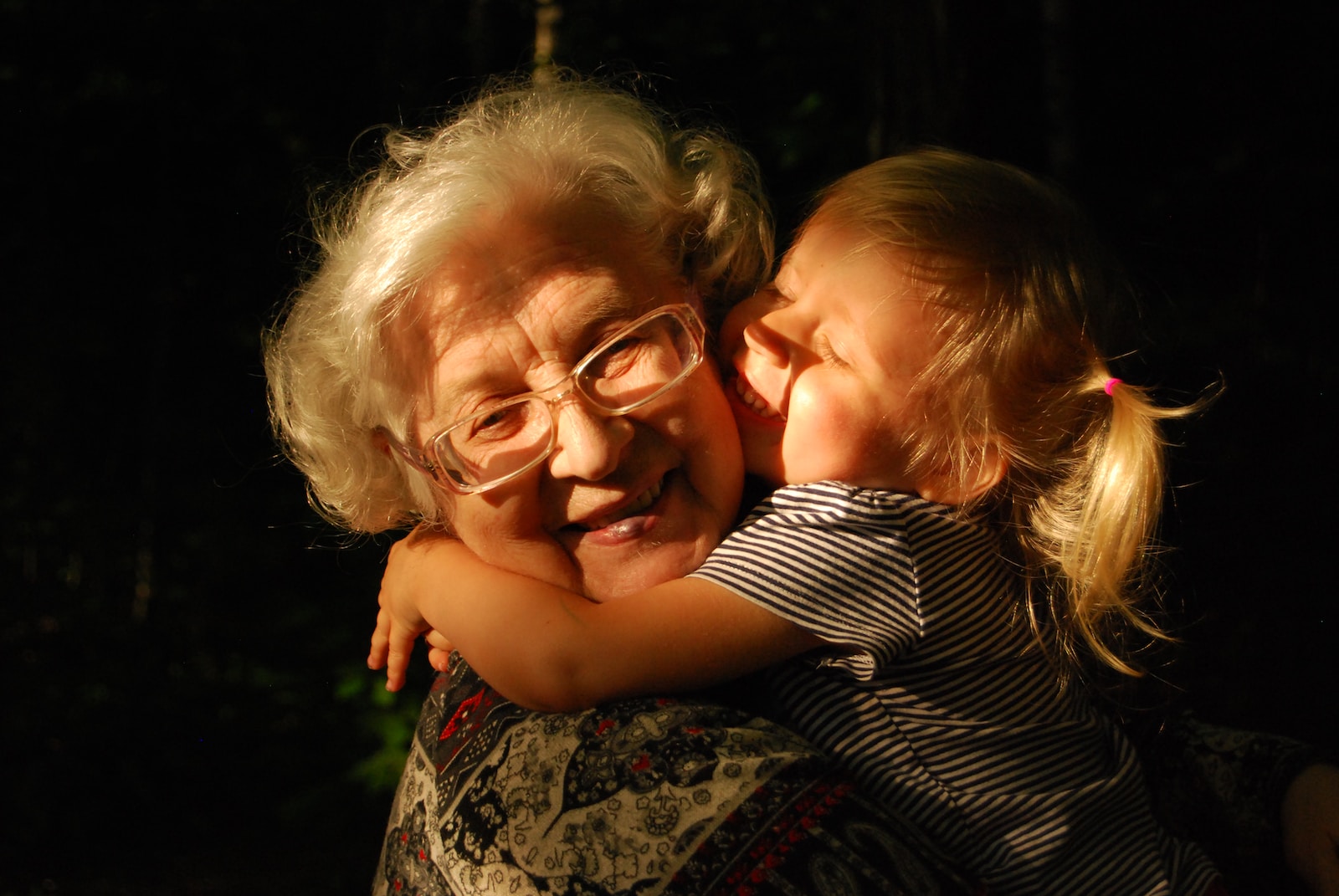
A Grandchild for One Day Keeps Dementia Away
An intriguing study of 120 grandmothers might surprise you. Doctors know socially engaged people have better cognition and less dementia. But can a person get too much of a good thing? What’s the right balance?

“I’ve Got You Under My Skin,” By Dad with Dementia & Son
Enjoy this great duet between a musician with dementia and his son. A triumph of spirit over Alzheimer’s! Sing-a-long if you like!

Is Alzheimer’s Catchy?
It looks like a sneeze cannot give anyone Alzheimer’s. While Alzheimer’s abnormal disease proteins do spread from cell-to-cell, they are not “infectious”. Check out the facts.

Designing Rooms for Dementia
FREE 32-PAGE BOOK: Dementia design improves the independence of people with dementia. This online book is available at no charge.…

Care-Partner Journal for Alzheimer's & Dementia
Print this free 10-page booklet. Brookdale Care Programs offers helpful hints, practical suggestions, checklists and tables to ease your journey…

'Still Alice' Brings Attention to Alzheimer's
In turns heartbreaking and inspiring, the movie "Still Alice" captures in remarkable detail what's it's like to live with Alzheimer's.

How to Long-Distance Caregive
FREE BOOKLETS & CARE TIPS: Long-distance dementia-caregiving has unique stresses. Learn what to do and how to help. Get free…

8 Ways Caregivers Care for Themselves
TIPS, INFO + FREE HANDBOOK: Caring for dementia can cause caregiver burnout, endangering both patient & caregiver. Learn 8 ways…

50-Page Free Book on Lewy Body Dementia
FREE LBD BOOK, by America's NIH. Insights into caregiving, movement, sleep & behavior. Often misdiagnosed as Alzheimer's or Parkinson's, 1…

Spectrum of Hope: Living Better with Alzheimer's
(VIDEO) BOOK-OF-THE-WEEK: Dr. Gayatri Devi, Neurologist at NY's Lenox Hill Hospital, released "The Spectrum of Hope: An Optimistic and New…

6 Ways Dementia Caregivers Can Feel Less Guilty
VIDEO & TRANSCRIPT: Caregiving is loving, yet frustrations can trigger guilt. See Dr. Peter Rabins, author of the #1 dementia…

Reverse Dementia in Normal Pressure Hydrocephalus
DIAGNOSIS (VIDEO & TRANSCRIPT): 5% of Alzheimer's cases may really be NPH (Normal Pressure Hydrocephalus), a curable dementia. 400,000 Americans…

20 Home Safety Tips for Alzheimer's
20 TIPS + NIH HOME SAFETY CHECKLIST FOR ALZHEIMER'S: Here are 20 ways to make your home a safer place…