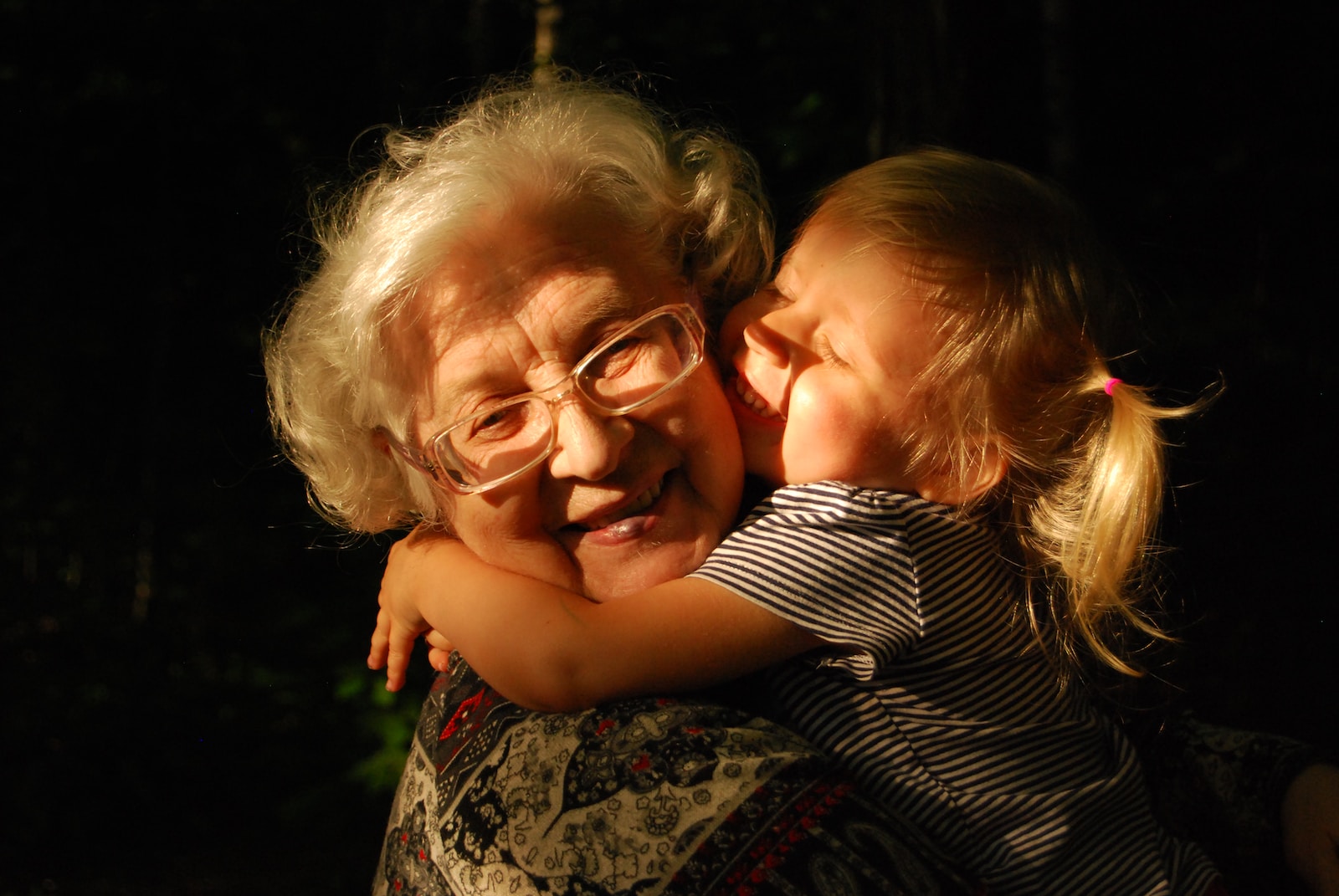
Good Light Lightens Alzheimer’s
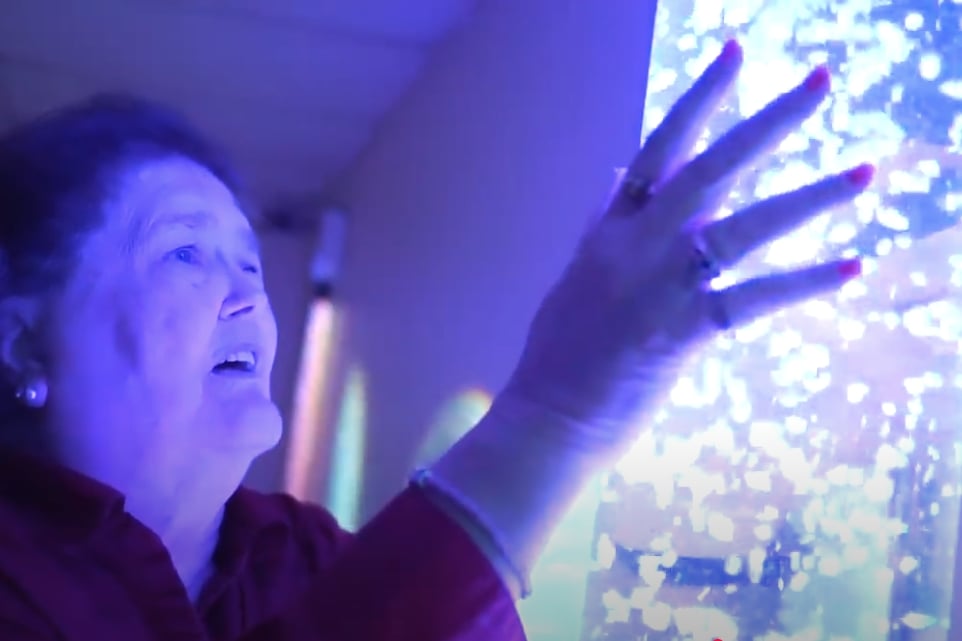
Lighting affects how people feel. The right light reduces agitation and improves mood in people with dementia.

Lighting affects how people feel. The right light reduces agitation and improves mood in people with dementia.

HEALTH (VIDEO + ARTICLE):
We show you the science of multiple studies that sound almost too good to be true. Hot tubs proved protective in the USA while saunas
lowered Alzheimer’s risk 65% in a 20-year Finnish study. Learn more.

BOOK OF THE WEEK: Thoughtful Dementia Care is today’s best book on understanding the dementia experience. An easy-to-read, sensitive portrayal of managing the world of dementia.

INCLUDES PRINTABLE CAREGIVER RESOURCE: Can an old song brighten the day of people with dementias such as Alzheimer’s? Can a childhood memory help bring back clarity and connection? An uplifting study offers useful answers.

“Sundowning” describes agitation and anxiety often felt towards the end of the day in dementia. See what it is and what you can do about it.

Rosemary naturally works like Aricept® (generic: donepezil), treating Alzheimer’s by blocking AChE. Learn about rosemary’s dementia-fighting benefits from Dr. J. Duke.

Alzheimer’s is characterized by an overproduction of free radicals in cells. That’s why incredibly tiny “nanoparticles” of silver, found in supplements, cosmetics and food packaging, worry scientists. Hear their concerns, as well as products to avoid.

Researchers discovered AWE to be a potent predictor of reduced pro-inflammatory cytokines. Can the awe we feel when touched by the beauty of nature, art and spirituality protect us from Alzheimer’s high levels of cytokines?

Copper hits the brain with a one-two punch. It inhibits clearance of, AND it stimulates production of, Alzheimer’s plaque. See why copper is a key player in Alzheimer’s.

With dementia, it’s not just what you eat – it’s also how and where!

People living with dementia can experience changed perception, often resulting in visual misinterpretation and disorientation –but simple changes in the environment can help.

VIDEO + ARTICLE: After studying 2,000 people, learn why researchers were surprised to find that allowing ourselves to ‘feel lonely’, and NOT ‘being alone’, was associated with getting dementia. See how feeling connected keeps your brain cells connected, too.

DIET RESEARCH: Learn how diet, exercise and watching your weight will prevent insulin-resistance, and as a result, protect your brain.
Memory is particularly vulnerable to the effects of insulin resistance, according to a 20-year study.

Three important dementia studies focus on HS-AGING, a type of dementia almost as common as Alzheimer’s in the 85+ group. Yet few people have heard of it. Why? What makes it different?

An intriguing study of 120 grandmothers might surprise you. Doctors know socially engaged people have better cognition and less dementia. But can a person get too much of a good thing? What’s the right balance?

Enjoy this great duet between a musician with dementia and his son. A triumph of spirit over Alzheimer’s! Sing-a-long if you like!

It looks like a sneeze cannot give anyone Alzheimer’s. While Alzheimer’s abnormal disease proteins do spread from cell-to-cell, they are not “infectious”. Check out the facts.
No spam, only news and updates.


We use cookies and similar technologies to improve your experience, understand how our content is used, and support relevant advertising that helps keep Alzheimer’s Weekly free to readers. You can choose to accept, deny, or manage your preferences at any time. Declining certain cookies may affect features such as embedded videos, comments, and personalized advertising.