A Timeline of Alzheimer’s Drug Development
The first drugs for Alzheimer’s disease emerged in the 1990s, but since then there has been a wave of clinical trial failures, major companies pulling resources from neuroscience R&D, and progress.
The first drugs for Alzheimer’s disease emerged in the 1990s, but since then there has been a wave of clinical trial failures, major companies pulling resources from neuroscience R&D, and progress.

Dr. Robert Przybelski has prescribed lecanemab to real-life patients, and discusses his experience prescribing and administering the treatment.

Now, a third new Alzheimer’s drug expected to be approved by the Food and Drug Administration (FDA),. The field of new drugs is beginning to show progress in the fight to slow the disease.
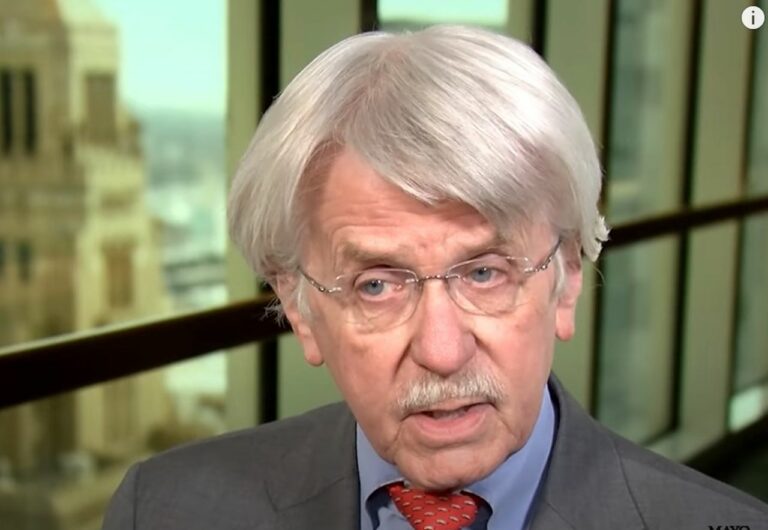
The FDA has approved generic lecanemab (brand name Leqembi®). The new drug can slow the progression of Alzheimer’s. Two top doctors discuss the pros and cons.

WHEN DIAGNOSING DEMENTIA, NEUROLOGISTS KNOW that nothing is as important as spending time face-to-face. Understanding symptoms and clinical clues in exams are the critical aspects of neurology. Learn how America’s healthcare system holds up to this standard.

Until now, scientists were unsure about how APOE4 creates the strongest genetic risk factor in Alzheimer’s. Now they believe they know.
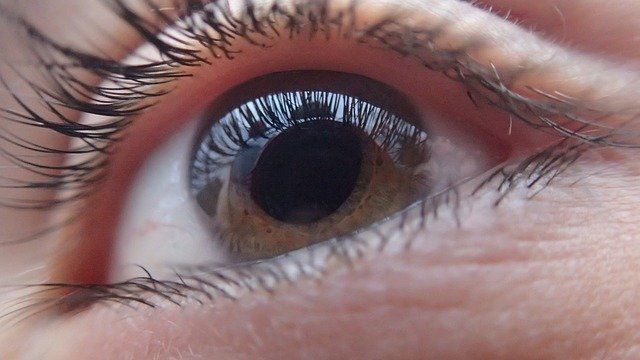
Researchers in Seattle, Washington have discovered that cataract surgery is associated with a lower risk of developing dementia, and specifically a lower risk of Alzheimer’s.

Nanodevices are the newest weapon in medicine’s growing arsenal to fight Alzheimer’s. They capture dangerous peptides before they can assemble to form Alzheimer’s plaques in the brain.

The US Food and Drug Administration has announced the supplemental approval of Rexulti (brexpiprazole) oral tablets for the treatment of agitation associated with dementia due to Alzheimer’s. Learn more.
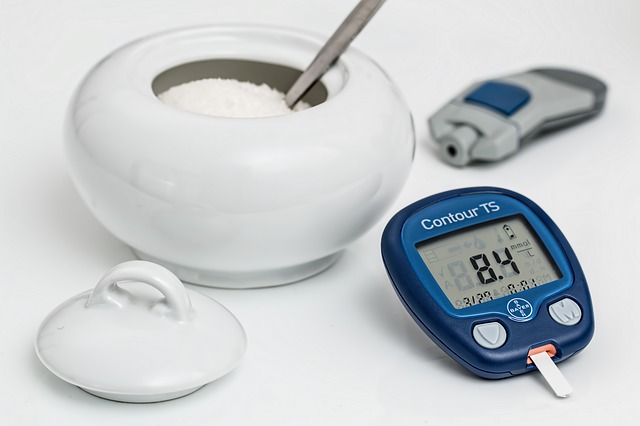
People taking certain drugs to lower blood sugar for Type 2 diabetes had less amyloid in the brain, a biomarker of Alzheimer’s disease, and showed slower cognitive decline than diabetics not taking drugs and people with diabetes. Find out more.

SEMINAR VIDEO: Watch Dr. Terry Barclay share his passion: To help patients and families thrive – not just survive – when living with Alzheimer’s.

EMERGENCY INFOGRAPH: People with dementia are especially vulnerable in natural disasters and extreme weather. Share this infographic of 6 things you can do to prepare against unexpected conditions.

See Harvard Alzheimer’s expert Dr. Rudy Tanzi and Deepak Chopra explore cutting edge research and insights on sleep’s capacity to prevent Alzheimer’s.

Three important dementia studies focus on HS-AGING, a type of dementia almost as common as Alzheimer’s in the 85+ group. Yet few people have heard of it. Why? What makes it different?
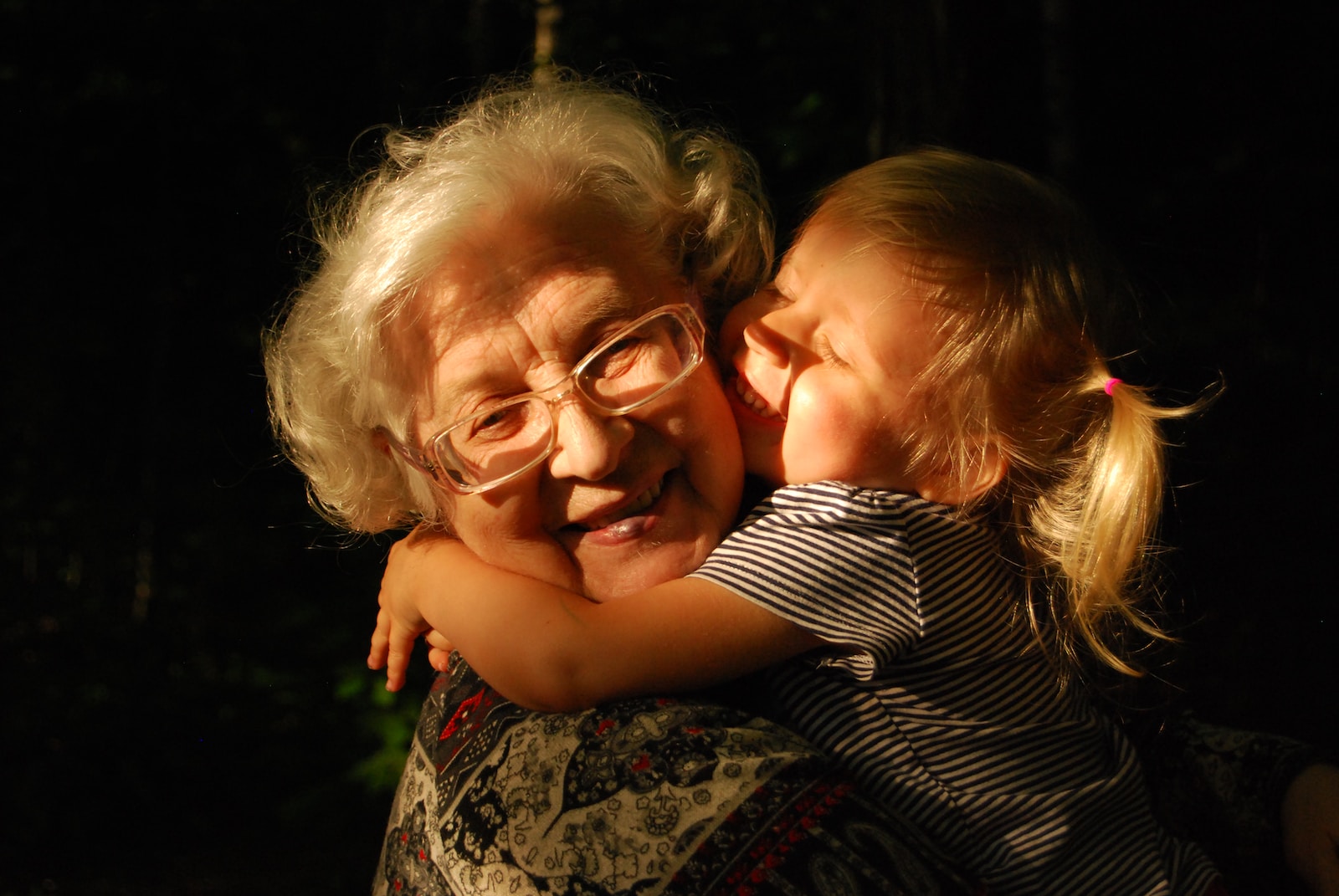
An intriguing study of 120 grandmothers might surprise you. Doctors know socially engaged people have better cognition and less dementia. But can a person get too much of a good thing? What’s the right balance?

Enjoy this great duet between a musician with dementia and his son. A triumph of spirit over Alzheimer’s! Sing-a-long if you like!

It looks like a sneeze cannot give anyone Alzheimer’s. While Alzheimer’s abnormal disease proteins do spread from cell-to-cell, they are not “infectious”. Check out the facts.