Dealing with Hallucinating & Wandering in Alzheimer’s
CARE TIPS VIDEO: Delusions and hallucinations in dementia can trigger paranoia. This leads to challenging behaviors, such as false accusations of theft. Wandering can be
CARE TIPS VIDEO: Delusions and hallucinations in dementia can trigger paranoia. This leads to challenging behaviors, such as false accusations of theft. Wandering can be
CBS VIDEO + TIPS CHECKLIST: Neurologist Dr. Gayatri Devi joins “CBS This Morning” to discuss the challenges behind communicating with and caring for the more

VIDEO: Last Thanksgiving, B. Smith, a famous restauranteur and former model stricken with Alzheimer’s, wandered off. She traveled more than 50 miles before being found.

BOOK OF THE WEEK: Thoughtful Dementia Care is today’s best book on understanding the dementia experience. An easy-to-read, sensitive portrayal of managing the world of dementia.
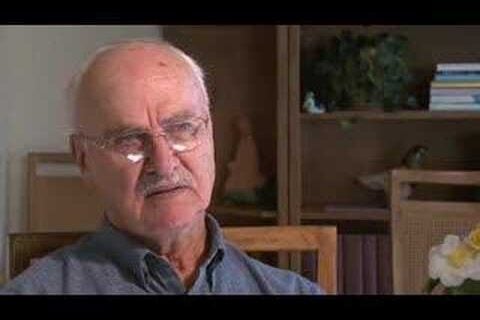
Don Hayen is a retired doctor, diagnosed with Alzheimer’s at 71. But that diagnosis took way too long. Find out how his “cognitive reserve” fooled his doctors. See why he sure wished it hadn’t.
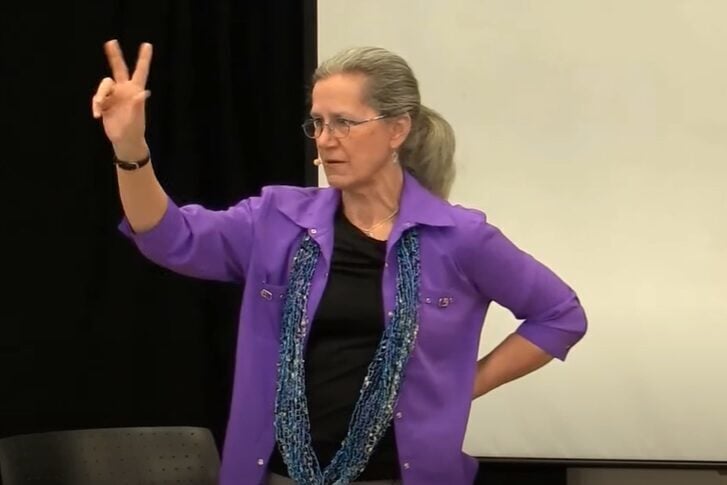
There is more to us than our brains and our bodies, says dementia expert Teepa Snow. “There’s more to us than that … When we’re together, we become more.” Watch now.

Three important dementia studies focus on HS-AGING, a type of dementia almost as common as Alzheimer’s in the 85+ group. Yet few people have heard of it. Why? What makes it different?
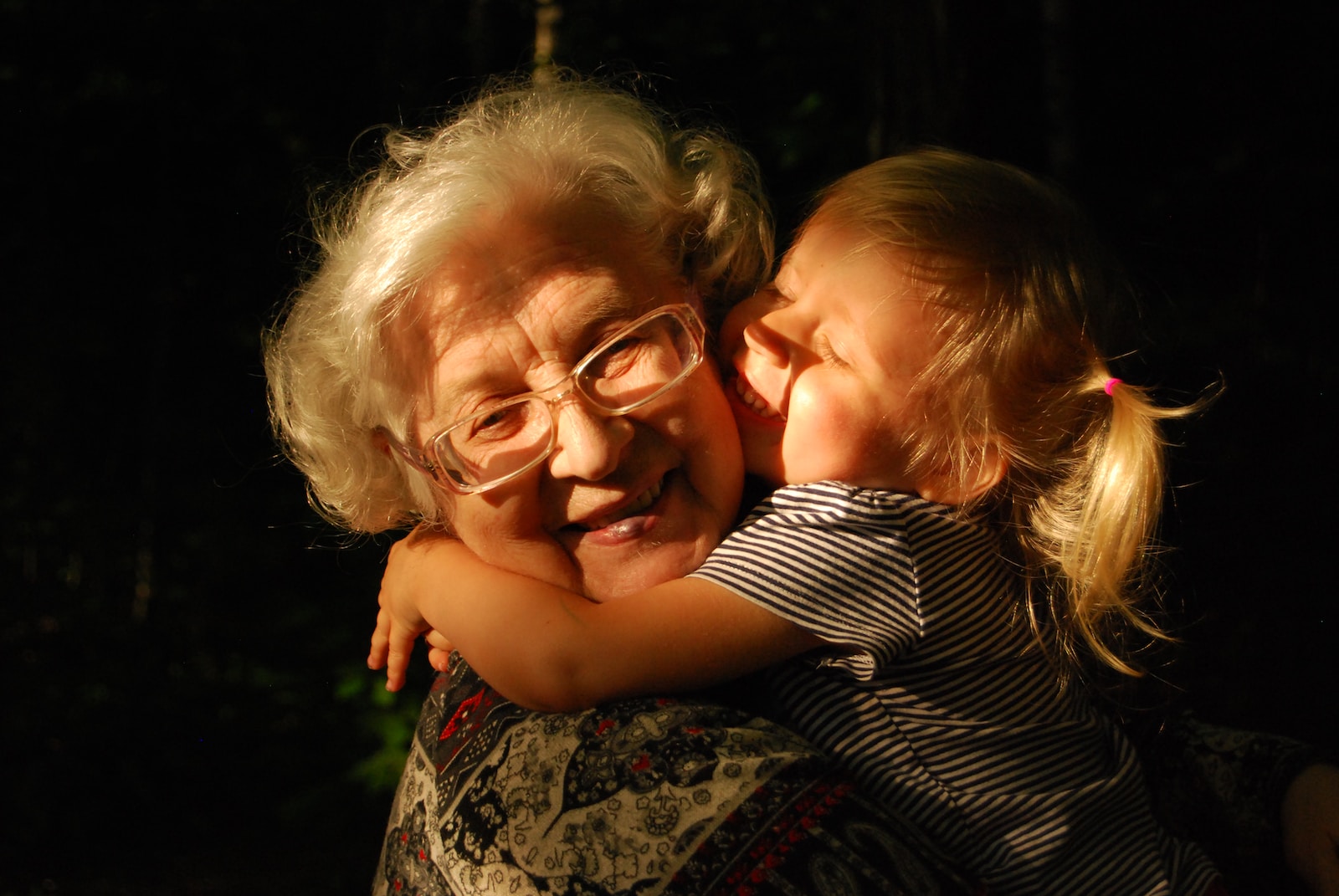
An intriguing study of 120 grandmothers might surprise you. Doctors know socially engaged people have better cognition and less dementia. But can a person get too much of a good thing? What’s the right balance?

Enjoy this great duet between a musician with dementia and his son. A triumph of spirit over Alzheimer’s! Sing-a-long if you like!

It looks like a sneeze cannot give anyone Alzheimer’s. While Alzheimer’s abnormal disease proteins do spread from cell-to-cell, they are not “infectious”. Check out the facts.