Why Do People with Dementia Wander?
60% of people with dementia wander off at some point. It’s long been a dangerous mystery. Japanese researchers tracked down the cause of this behavior. Find out more.

10 Tips to Prevent Wandering from Dementia
WANDERING occurs in 60% of people with dementia. It can be triggered by anything from an old memory to poor vision, from confusion to distress. Learn how to stop wandering from repeating itself. Find out ways to prevent it.

Nuedexta: Relieves Outbursts Of Laughter Or Tears In Alzheimer’s
PseudoBulbar Affect (PBA) in dementia is characterized by sudden, uncontrolled outbursts of laughing and/or crying. Learn how Nuedexta helps people with Alzheimer’s and dementia affected by PBA.

Jobs That Lower Alzheimer’s Risk
Considering how often we hear about job risks, it’s encouraging to hear about ones that may actually protect you from Alzheimer’s!

Weight-loss Drug Ozempic Cuts Dementia Risk 48%
University of Oxford research revealed groundbreaking findings that could reshape dementia prevention. Ozempic (AKA Semaglutide/Wegovy), a type-2 diabetes and weight-loss drug, seems to significantly reduce the risk of dementia.

Making it Easier to Take Leqembi for Alzheimer’s
A drug for Alzheimer’s, called Leqembi, might soon be given less often. Right now, patients get it through a drip every two weeks. The idea is to change this to once a month.

Should People with Alzheimer’s Avoid Resveratrol?
While Resveratrol supplements decrease brain swelling, they increase brain shrinkage. Is the trade-off worthwhile?

Bezisterim: A New Way to Manage Methylation in Dementia
Bezisterim can manage inflammation and enhance energy transfer (insulin sensitivity) in the brain. Learn how it is in trials to improve memory and thinking in Alzheimer’s.

Carolyn Davis Talks About Her Leqembi Infusions
The newest and most promising drug to fight Alzheimer’s is Leqembi. Carolyn Davis is giving it a try. Learn about the promise, the risks and how it has restored her hope,
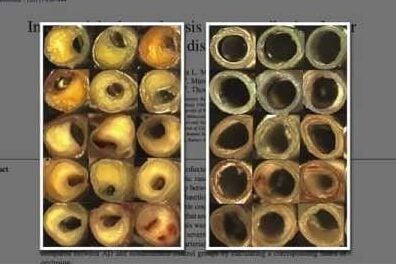
What Starts Alzheimer’s, What Stops It?
VIDEO: Vascular neglect triggers Alzheimer’s decades before symptoms appear. See how to use that knowledge to lower risk and slow its advance.

It’s Not Alzheimer’s. It’s Just MCI.
Twenty percent of people over 65 have mild memory and thinking problems that don’t interfere with day-to-day life. Doctors call this MCI, short for Mild Cognitive Impairment. Find out more about what it is and what to do about it.

15 Simple Things You Can Do to Know Your Are Trying Your Best Caring for a Loved One with Dementia or Memory Loss
FREE DOWNLOAD: This booklet is rich with care practices based on research by highly-credentialed investigators.

85 with Dementia? Good Chance It’s HS-AGING, Not Alzheimer’s
Three important dementia studies focus on HS-AGING, a type of dementia almost as common as Alzheimer’s in the 85+ group. Yet few people have heard of it. Why? What makes it different?
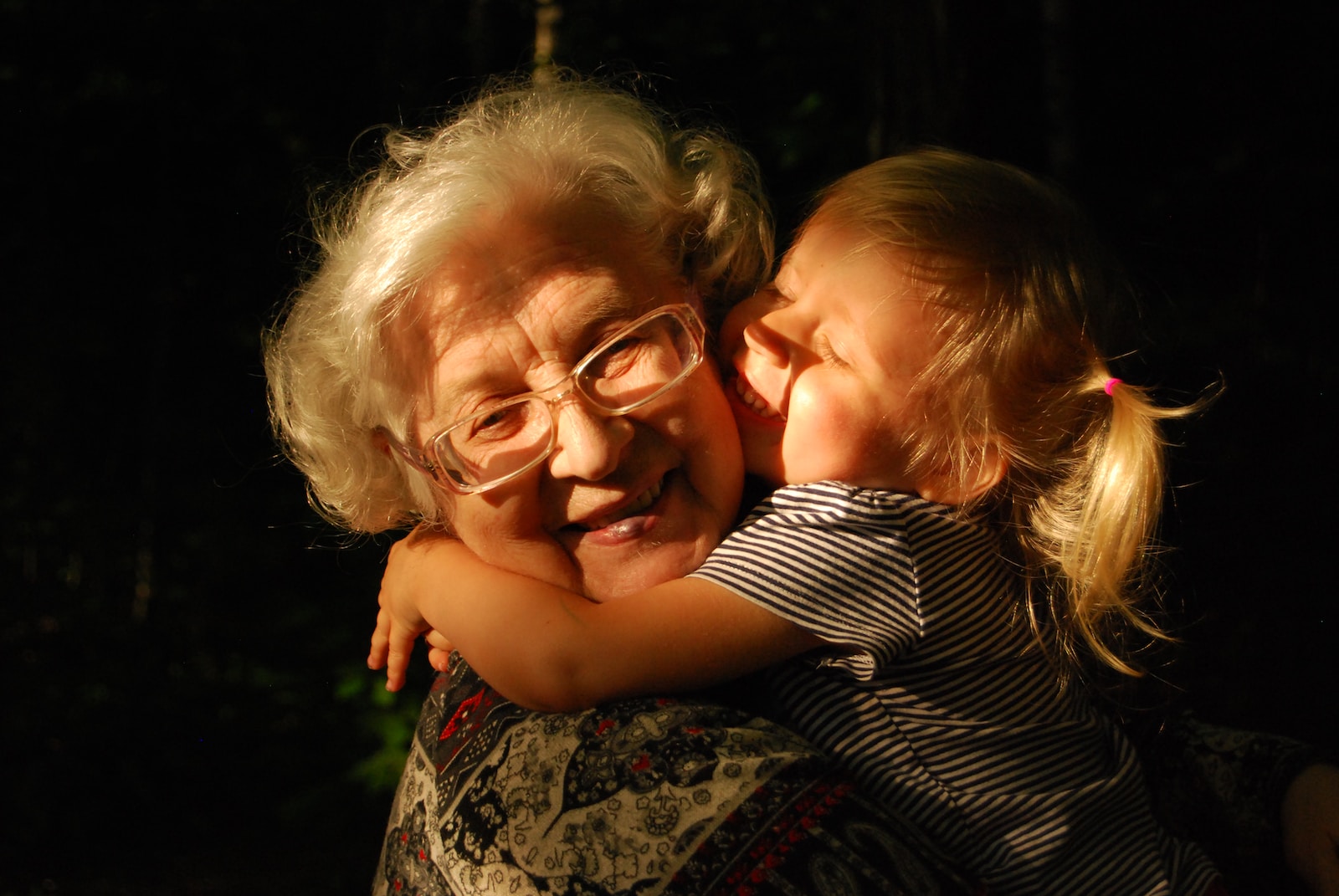
A Grandchild for One Day Keeps Dementia Away
An intriguing study of 120 grandmothers might surprise you. Doctors know socially engaged people have better cognition and less dementia. But can a person get too much of a good thing? What’s the right balance?

“I’ve Got You Under My Skin,” By Dad with Dementia & Son
Enjoy this great duet between a musician with dementia and his son. A triumph of spirit over Alzheimer’s! Sing-a-long if you like!

Is Alzheimer’s Catchy?
It looks like a sneeze cannot give anyone Alzheimer’s. While Alzheimer’s abnormal disease proteins do spread from cell-to-cell, they are not “infectious”. Check out the facts.
15 Simple Things You Can Do to Know Your Are Trying Your Best Caring for a Loved One with Dementia or Memory Loss

Designing Rooms for Dementia

Care-Partner Journal for Alzheimer's & Dementia

'Still Alice' Brings Attention to Alzheimer's

How to Long-Distance Caregive

8 Ways Caregivers Care for Themselves

50-Page Free Book on Lewy Body Dementia

Spectrum of Hope: Living Better with Alzheimer's

6 Ways Dementia Caregivers Can Feel Less Guilty