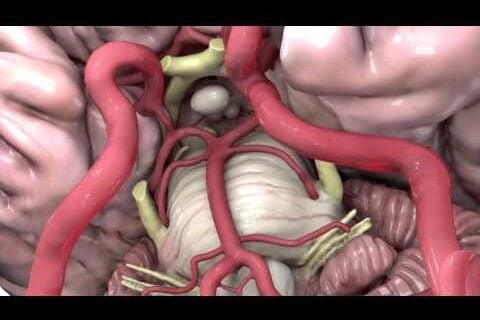
B Vitamins Vs. Brain Loss
DIET RESEARCH VIDEO + ARTICLE: B vitamins protect the brain and lower Alzheimer’s risk. How do they work? See which ones are best for various
DIET RESEARCH VIDEO + ARTICLE: B vitamins protect the brain and lower Alzheimer’s risk. How do they work? See which ones are best for various
DIET VIDEO + ARTICLE: In the largest study of its kind, not getting enough vitamin D turned out to double the risk of developing dementia

NUTRITION VIDEO + ARTICLE: Recently, the FDA Slammed 58 Dangerous Alzheimer’s Supplements. Who are the culprits? Why did it happen? See this list and watch

NEW CARE VIDEO: Barbara bought $30,000 in supplements before her son caught the scam. Barbara has dementia. There are 240,000,000 UK scam phone calls per
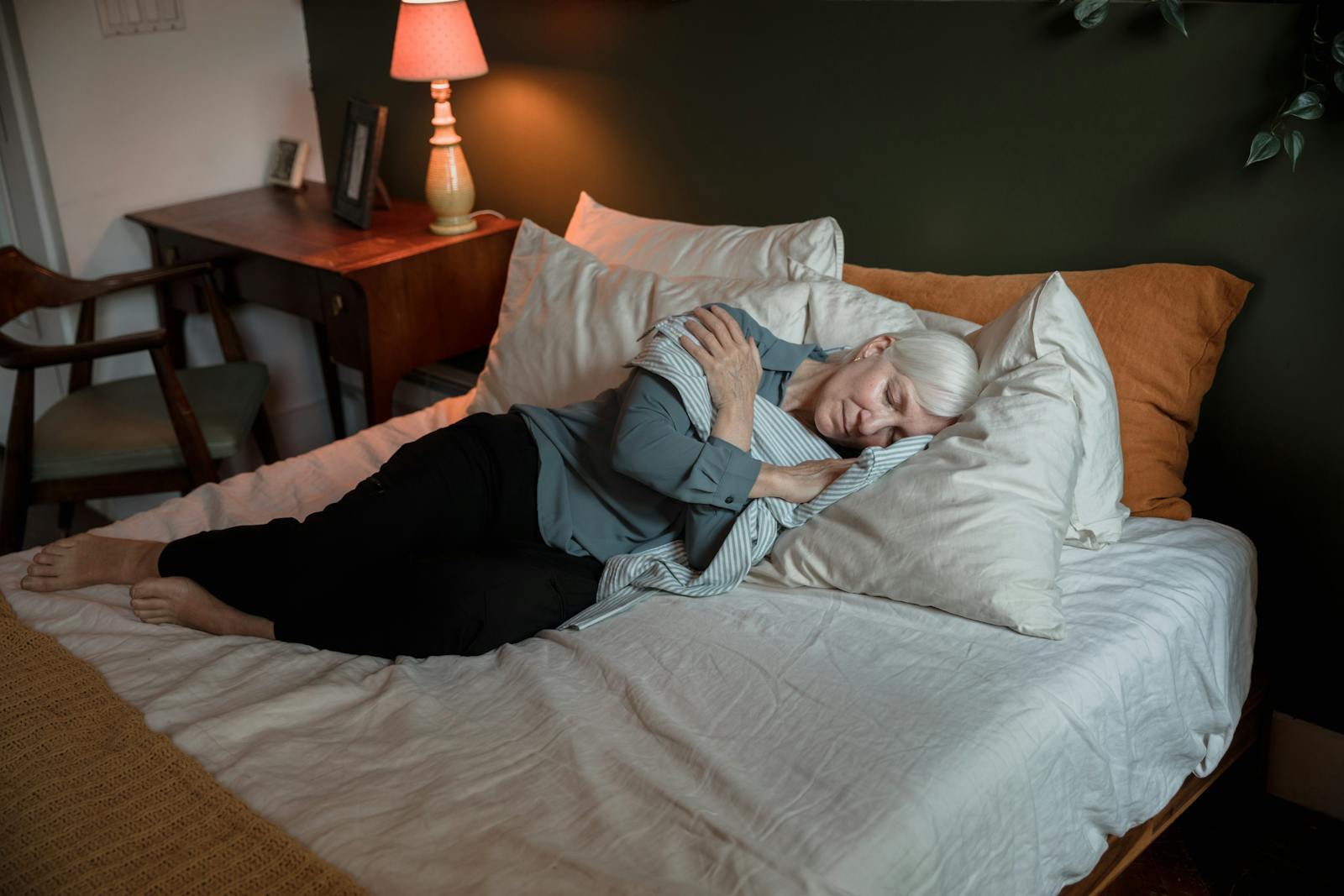
VIDEO+ARTICLE: Depth of sleep impacts our brain’s ability to wash away waste and toxic proteins. Sleep becomes lighter and disrupted as we get older. A new study reveals intriguing links between aging, sleep deprivation, and Alzheimer’s risk.
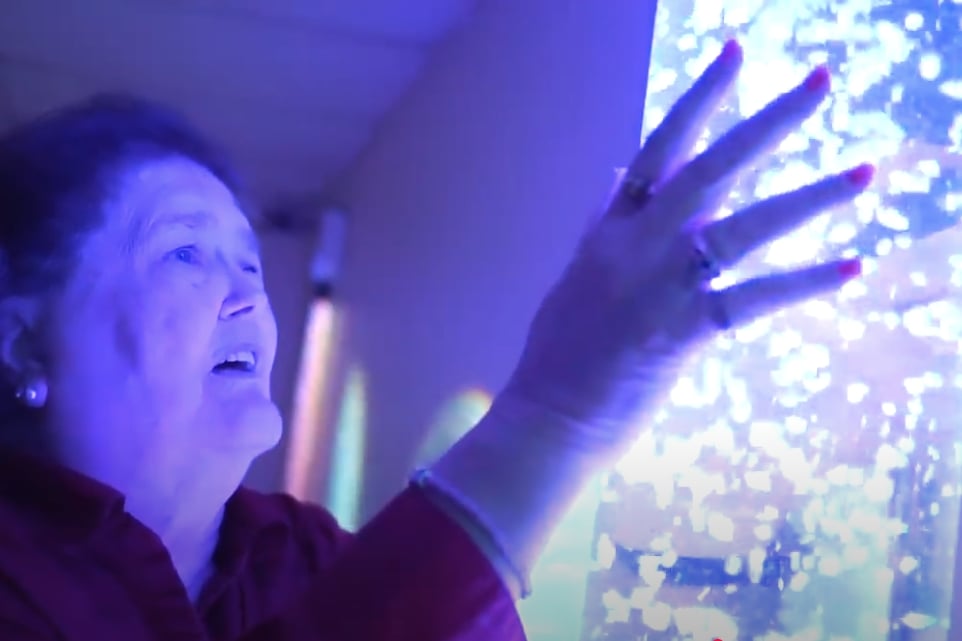
STIMULATION VIDEO: See how Snoezelen Rooms offer sensory experiences designed for dementia. “We have found more stimulation slows down the progression of the disease process.” Relax, explore, hear Frank Sinatra, enjoy calming colors, even test memory.

DIAGNOSIS VIDEO: TEEPA SNOW explores the challenge of getting a good diagnosis in today’s medical system. See her explain differences between Alzheimer’s and other dementias. Learn how to prepare for a brain health checkup.

Three important dementia studies focus on HS-AGING, a type of dementia almost as common as Alzheimer’s in the 85+ group. Yet few people have heard of it. Why? What makes it different?
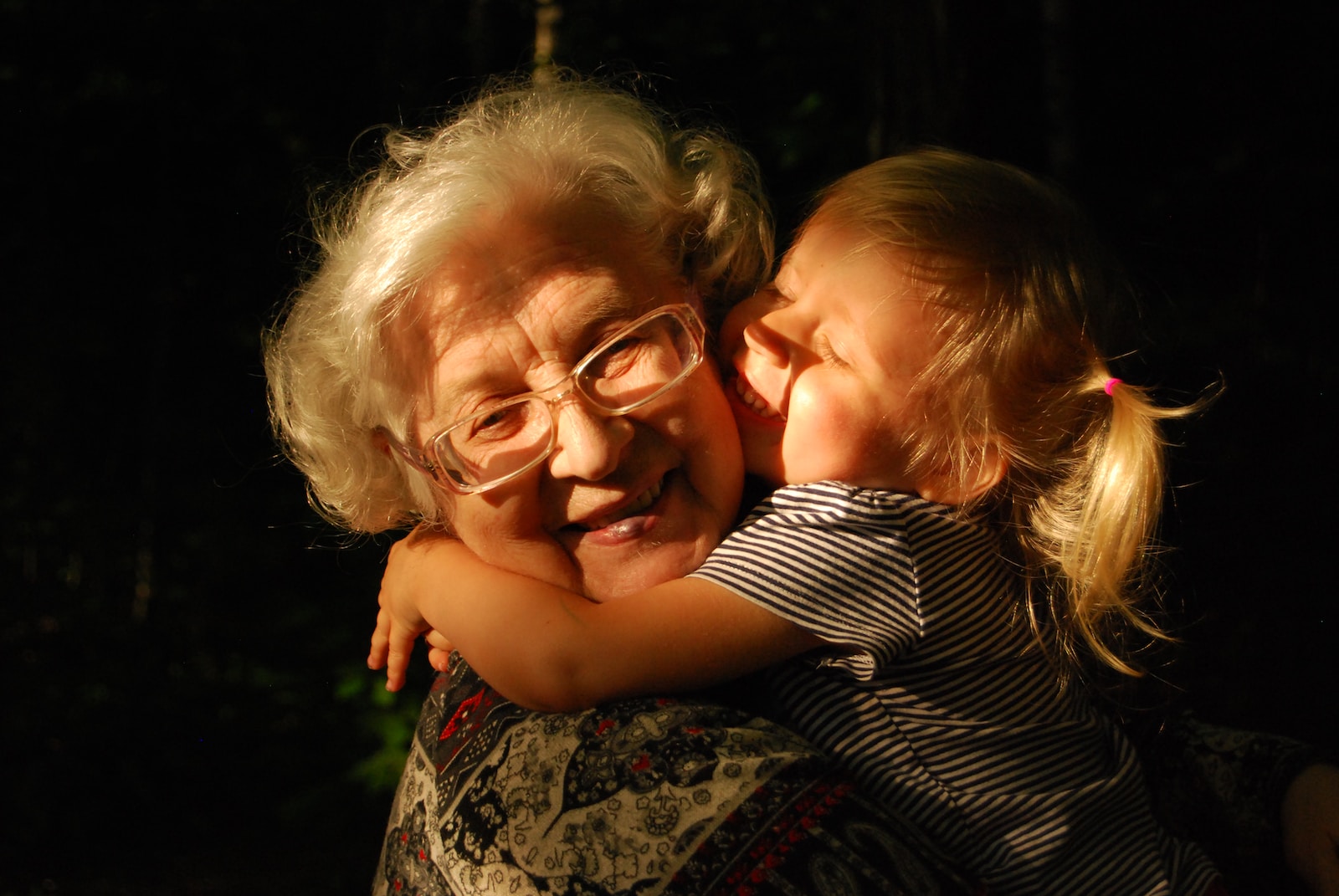
An intriguing study of 120 grandmothers might surprise you. Doctors know socially engaged people have better cognition and less dementia. But can a person get too much of a good thing? What’s the right balance?

Enjoy this great duet between a musician with dementia and his son. A triumph of spirit over Alzheimer’s! Sing-a-long if you like!
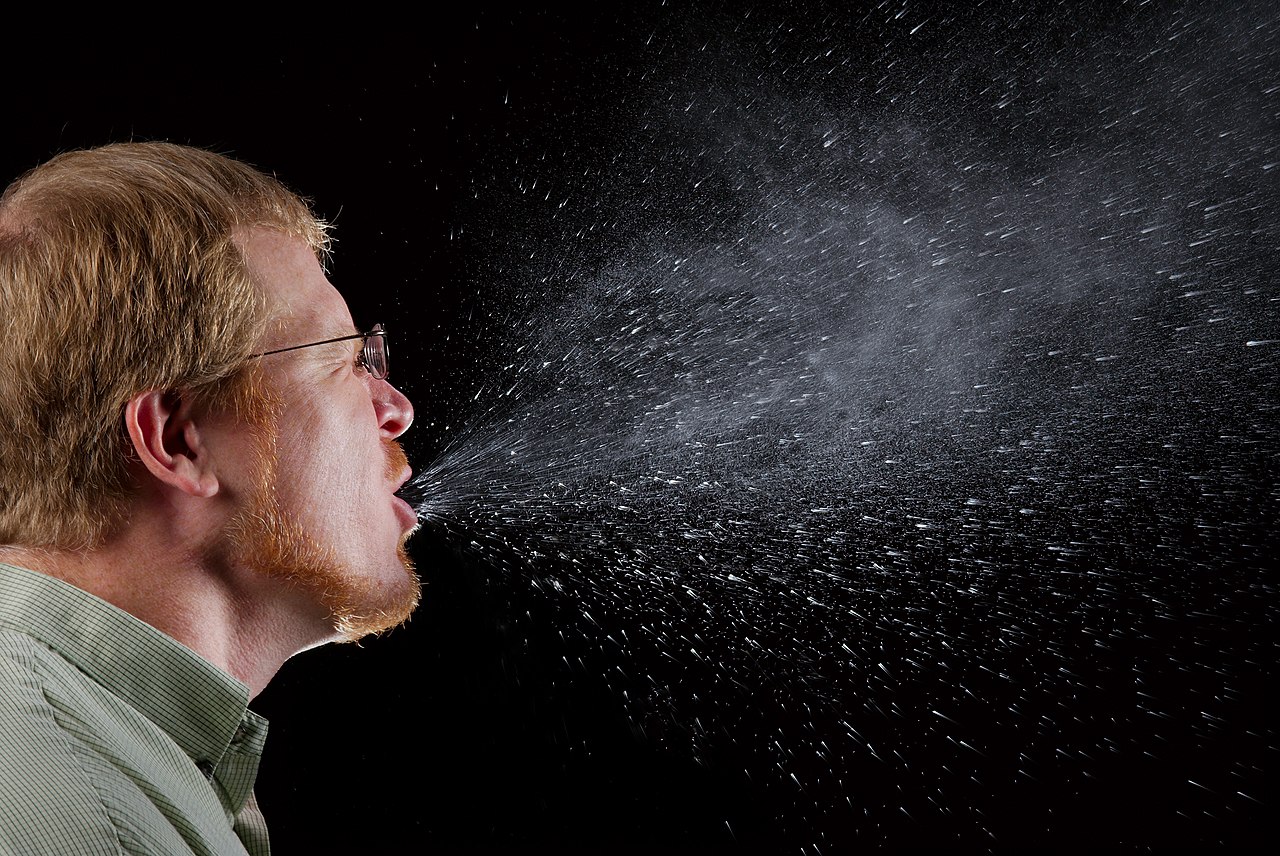
It looks like a sneeze cannot give anyone Alzheimer’s. While Alzheimer’s abnormal disease proteins do spread from cell-to-cell, they are not “infectious”. Check out the facts.