Thought of the Week: So Much Heart
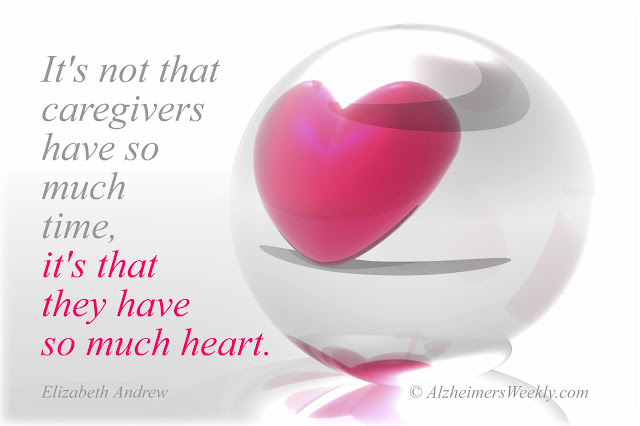
It’s not that caregivers have so much time. It’s that they have so much heart.
It’s not that caregivers have so much time. It’s that they have so much heart.


God didn’t add another day in your life because you needed it. He added it because someone out there needs you.
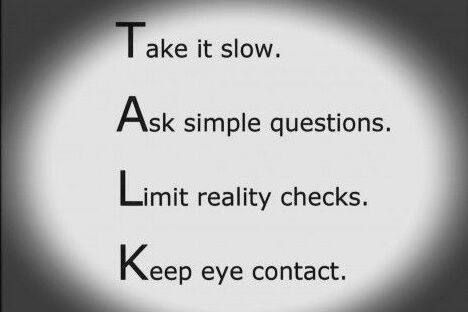
Take it slow. Ask Simple questions. Limit reality checks. Keep eye contact.


And when there is only darkness, And the storms of life are closing in, May the light at the core of your inner being, Illuminate

Oh, my friend, it’s not what they take away from you that counts- It’s what you do with what you have left. ~Hubert Humphrey~

Begin each day by being good to yourself. When you are the best you can be, That’s when you have the most to give.

No one is more cherished in this world than Someone who lightens the burden of another.


FREE 32-PAGE BOOK: Dementia design improves the independence of people with dementia. This online book is available at no charge. Learn dozens of clever design tips that can make a world of difference.

DEMENTIA DIET TIPS – VIDEO: What’s tasty and what’s not for people with Alzheimer’s? Find out from Teepa Snow. Learn what to expect when medication is mixed with food. Turn meals into a real time for connecting.

Everyone knows we should exercise. But it’s hard. Sometimes realizing the consequences of not exercising can get us moving. Here’s a bit of really motivating research.

Three important dementia studies focus on HS-AGING, a type of dementia almost as common as Alzheimer’s in the 85+ group. Yet few people have heard of it. Why? What makes it different?

An intriguing study of 120 grandmothers might surprise you. Doctors know socially engaged people have better cognition and less dementia. But can a person get too much of a good thing? What’s the right balance?

Enjoy this great duet between a musician with dementia and his son. A triumph of spirit over Alzheimer’s! Sing-a-long if you like!

It looks like a sneeze cannot give anyone Alzheimer’s. While Alzheimer’s abnormal disease proteins do spread from cell-to-cell, they are not “infectious”. Check out the facts.