What to Expect When Going for a Memory Diagnosis
What to ask and expect when going for a memory, Alzheimer’s or dementia diagnosis.
What to ask and expect when going for a memory, Alzheimer’s or dementia diagnosis.

Here’s a good activity caregivers can use easily, contributed by one of our readers. It’s a simple game, great in mid-stage Alzheimer’s.
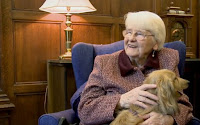
Meet Marley, a THERAPAWS therapy dog, helping the elderly that suffer from dementia. See pet therapy at work.

Alzheimer’s is the most common type of dementia, but it is just one cause. In this short Q & A, watch Stanford Neurologist Dr. Kerchner explain the importance of getting an accurate diagnosis.

The “glymphatic system” removes brain waste. It may be a powerful new target to treat Alzheimer’s. Learn why scientists believe Alzheimer’s may arise when the system is not doing its cleaning properly.
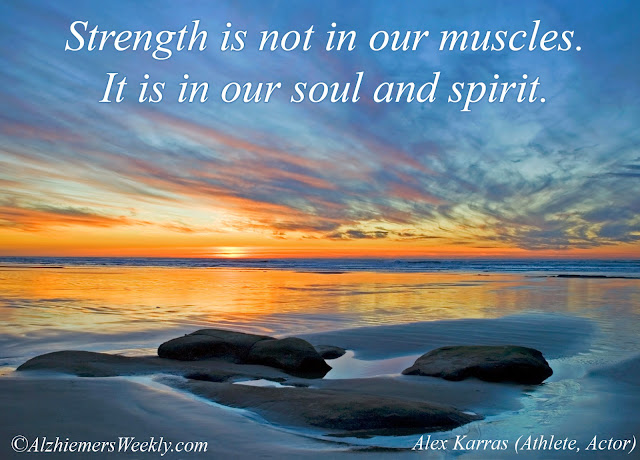
Strength is not in our muscles.
It is in our soul and spirit.

Once a week, a chorus of people with Alzheimer’s and dementia rehearse side-by-side with their caregivers. The songs they sing are, remarkably, often from memory. Watch the Giving Voice Chorus in action.
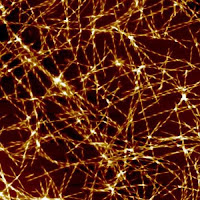
Plaques are the best-known Alzheimer’s culprit. Cambridge scientists have figured out the 7 steps to forming these plaques. Find out how targeting the formation of these “oligomers” may hold the key to a cure.

UCLA researchers found active people build 5% more gray matter in their brain. See how this prevents Alzheimer’s.

Learn about The Alzheimer’s Society of Canada’s campaign to bust the stigma of dementia.
Discover 6 easy ways you can make a difference.

We think we are most free when we don’t need anybody. Exactly what Alzheimer’s represents is absolute dependency. That’s what we all need to learn:

See one of the largest and most comprehensive studies identifying where dementia occurs most often.
UNDERSTANDING DEMENTIA – VIDEO:
Blood moves through our body in tubes comprising “the vascular system.” See why vascular leaks or clogs trigger vascular dementia, stroke and heart attacks. Learn how to keep your vascular system clean, strong and healthy.

Three important dementia studies focus on HS-AGING, a type of dementia almost as common as Alzheimer’s in the 85+ group. Yet few people have heard of it. Why? What makes it different?
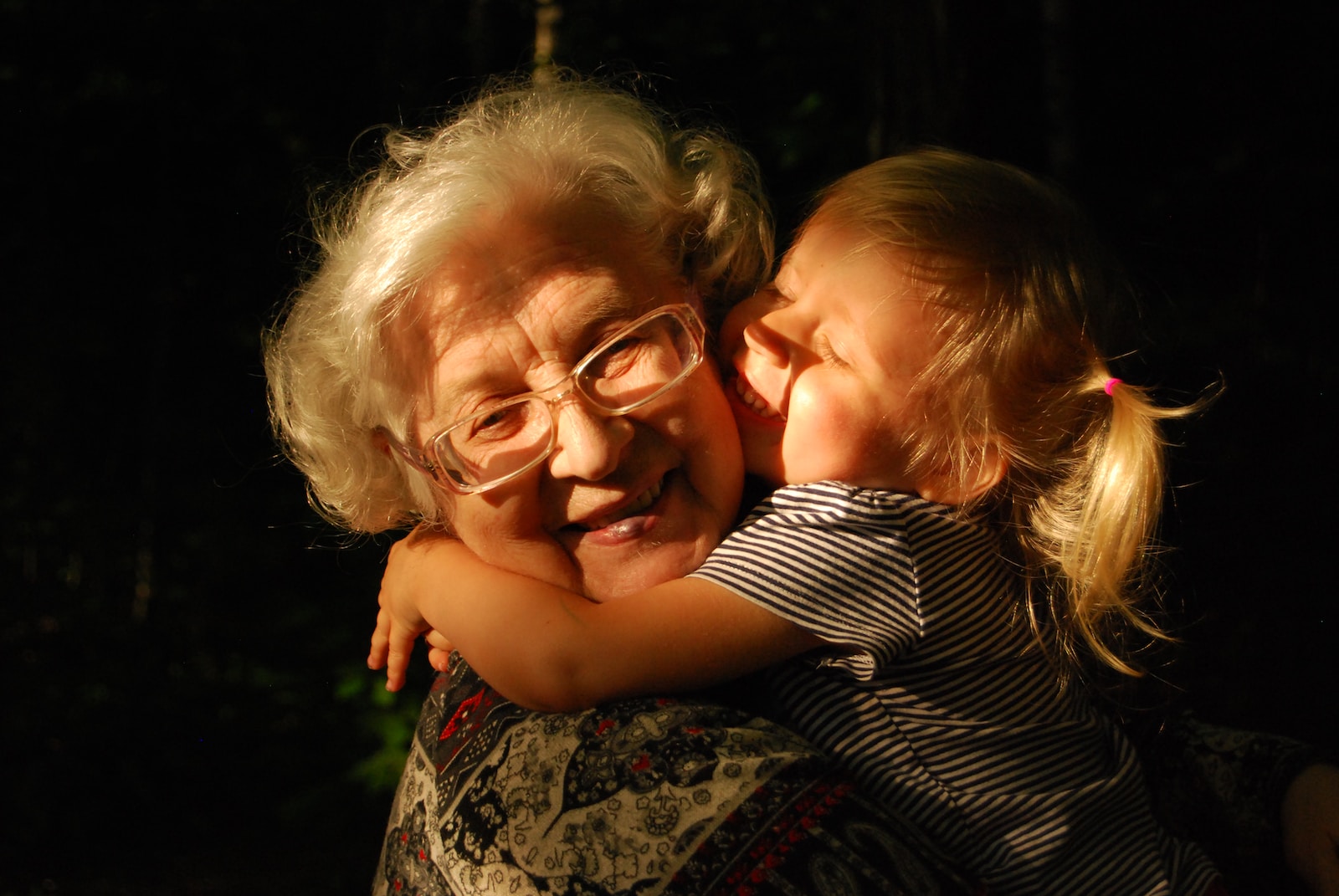
An intriguing study of 120 grandmothers might surprise you. Doctors know socially engaged people have better cognition and less dementia. But can a person get too much of a good thing? What’s the right balance?

Enjoy this great duet between a musician with dementia and his son. A triumph of spirit over Alzheimer’s! Sing-a-long if you like!

It looks like a sneeze cannot give anyone Alzheimer’s. While Alzheimer’s abnormal disease proteins do spread from cell-to-cell, they are not “infectious”. Check out the facts.