
Dementia Caregiver’s House Tech Tour
The co-founder of a caregivers’ organization introduces technology he has found helpful in caring for his grandmother with dementia.
The co-founder of a caregivers’ organization introduces technology he has found helpful in caring for his grandmother with dementia.
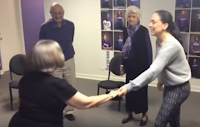
People with dementia are enjoying yoga and dance classes at the Alzheimer’s Association. See why caregivers find the classes “EXTREMELY helpful.”

The brush strokes are precise, the colors vibrant. See a Colorado art program help patients rise above dementia, while the paintings raise money for The Alzheimer’s Association.

The protein BDNF builds synapses in the human brain, nurturing brain cells and fighting off dementia. While there is no artificial way of boosting it, social and cognitive activity can.

People may not have easy access to sophisticated, expensive dementia tests. A simple test from Einstein Medicine uses a stopwatch and a few questions to determine one’s risk of dementia. The potential payoff could be tremendous for individuals, their families and society.

Ketone-rich diets increase the SIRT3 protein that protects neurons from death during the progression of Alzheimer’s disease. But how does it work? Find out more.

People worry about becoming forgetful. Is it the first sign of Alzheimer’s or just the passing years? After all, forgetfulness is a normal part of aging. Check out these quick ways to tell the difference.

Researchers found in a study that people who developed dementia were more likely to have their credit rating drop at least two and a half years before the diagnosis. Some had problems managing their money up to six years before. Find out more.
Scientists say restoring a brain protein, not removing amyloid plaques, should be the target of Alzheimer’s dementia therapies. The researchers said treatment might lie in normalizing the levels of a specific brain protein.
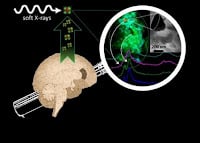
Dietary iron is an essential element in the brain. That’s why it is critical to understand how it affects Alzheimer’s. Researchers used advanced X-ray techniques to take a giant step forward in understanding iron chemistry in amyloid plaque, the main culprit behind Alzheimer’s. Learn more about their exciting new insights.

RESISTING ALZHEIMER’S VIDEO: “Still Alice” author & neuroscientist Lisa Genova shares the latest science investigating dementia. See promising research on what to do to build an Alzheimer’s-resistant brain.

CNN VIDEO: An Alzheimer’s brain comes with two culprits: tangles of tau protein and plaque made of amyloid. Yesterday’s research focused on getting rid of amyloid. See how today’s new, cutting edge research is targeting tau, too.

4 tips to improve communication with a loved one who has a dementia or Alzheimer’s diagnosis. These tips foster understanding and create a calm, supportive environment. Watch and learn how to navigate challenging moments with care and compassion.

Three important dementia studies focus on HS-AGING, a type of dementia almost as common as Alzheimer’s in the 85+ group. Yet few people have heard of it. Why? What makes it different?
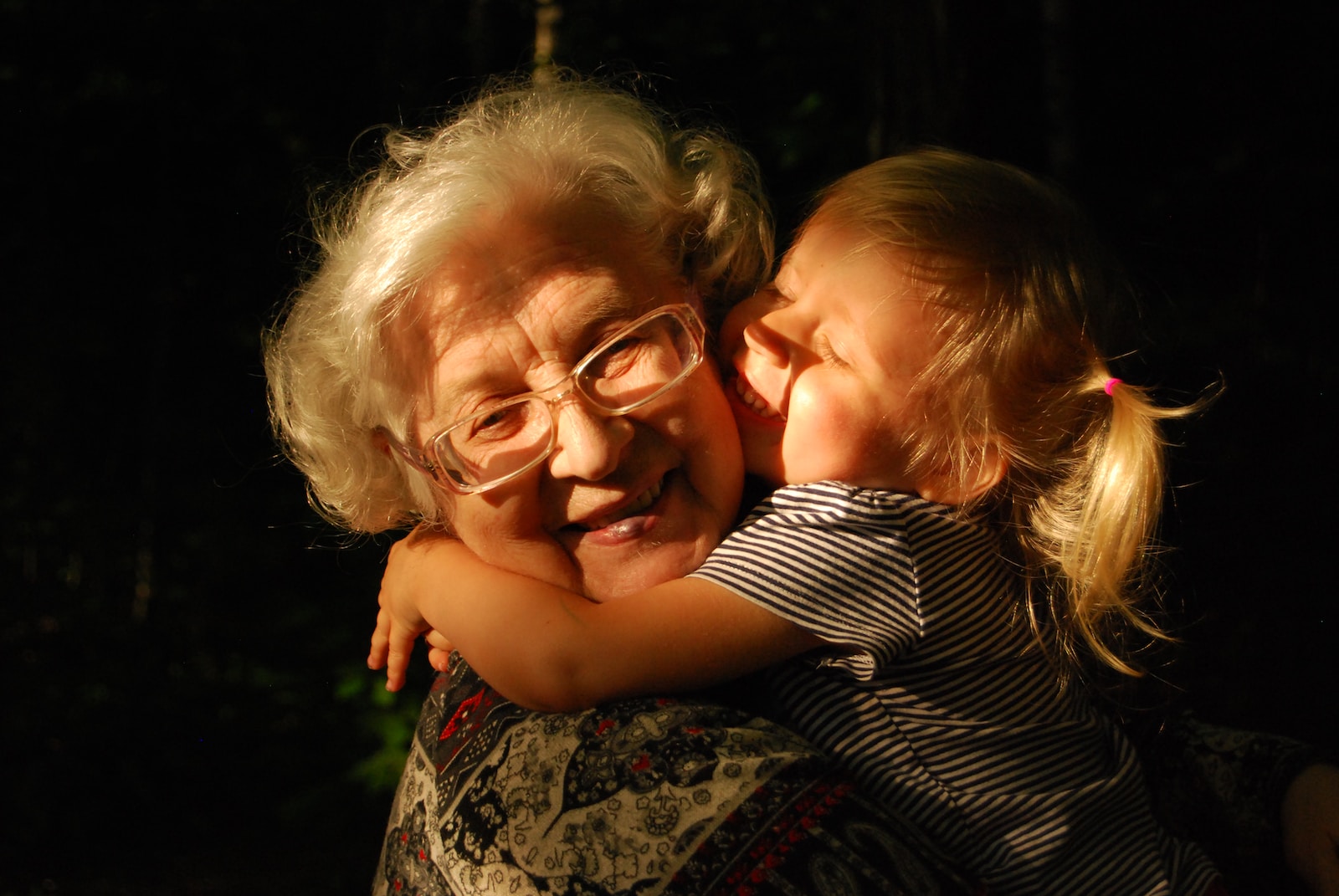
An intriguing study of 120 grandmothers might surprise you. Doctors know socially engaged people have better cognition and less dementia. But can a person get too much of a good thing? What’s the right balance?

Enjoy this great duet between a musician with dementia and his son. A triumph of spirit over Alzheimer’s! Sing-a-long if you like!
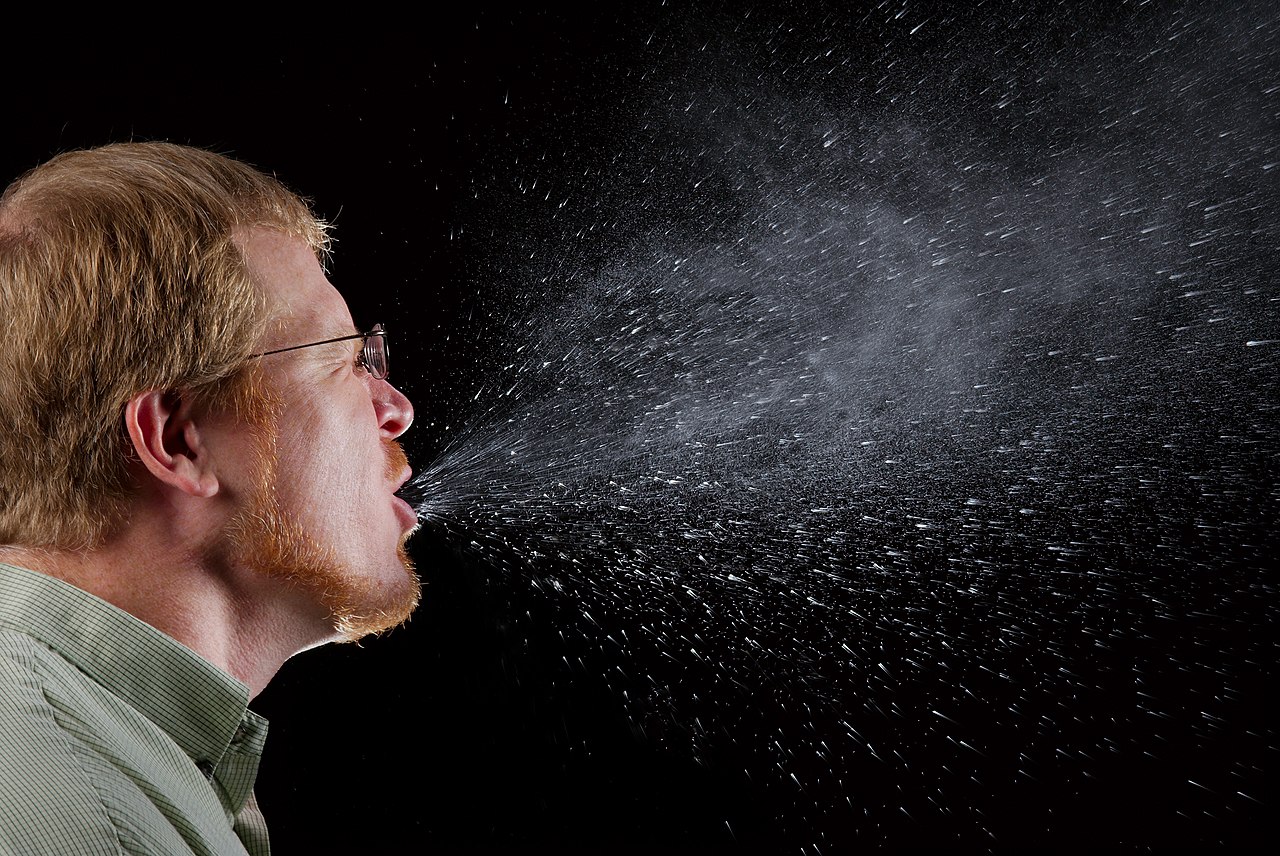
It looks like a sneeze cannot give anyone Alzheimer’s. While Alzheimer’s abnormal disease proteins do spread from cell-to-cell, they are not “infectious”. Check out the facts.


