The Alzheimer’s-Concussion Connection
2 studies connect Alzheimer’s to concussions, and lighter blows to the head to memory loss. How careful can we be? Just how much does it matter?
2 studies connect Alzheimer’s to concussions, and lighter blows to the head to memory loss. How careful can we be? Just how much does it matter?
See how Sporting Memories Network promotes the well-being of people living with dementia with projects that tap into their prior passion for sports.

When is medical marijuana appropriate? Not in dementia, according to a new study. It suggests medical marijuana pills may not help treat behavioral symptoms of dementia, such as aggression, pacing and wandering. Get the details.
Doctors routinely diagnose and track dementia. “Neuropsychological tests” are non-invasive, using interviews or paper/pen tests. More invasive diagnostics include powerful MRI and PET scans.
A study at McGill University shows that lithium given in micro doses may be capable of both halting signs of advanced Alzheimer’s pathology and recovering lost cognitive abilities.

Some Alzheimer’s tests cost thousands of dollars, some cost pennies. The trick is using the right tests at the right time for the right person. An excellent scoring system from Mayo Clinic offers a powerful tool for making the best choices.

80% fewer skin-cancer patients get Alzheimer’s. Why? Is it the medicines they take, their genes, or are they more prone to sunshine, activity or healthier eating?

In the lab, the Ketogenic Diet increased cerebral blood flow, improved the gut microbiome, lowered glucose as well as weight, and boosted the brain’s process that clears Alzheimer’s amyloid-beta plaque. Learn more.

A “Dementia Friend” is someone who learns a little more about dementia and then turns that understanding into simple actions that can help people with dementia live well. Get a few “Dementia Friend” tips and see why it matters.

How do doctors “see” dementia? One way is with brain scans called MRI and fMRI. Doctors also use these scans to help see if it is Alzheimer’s, Vascular, Lewy Body or another type of dementia. An MRI offers a photo of the brain. More amazingly, an fMRI (functional MRI) can give a 3-D video of a living brain. Learn how it works.

THE TODAY SHOW takes a look at Julianne Moore’s performance as Alice, a Harvard professor diagnosed with Alzheimer’s. The movie earned her a Golden Globe nomination.

15 TIPS on how to limit wandering and prevent a person with dementia from becoming lost. (60% of people with dementia will wander off at some point.)

MUSIC: Famously known as the Songaminute Man, Ted is living with dementia, even as he enjoys singing on. Watch this wonderful sampling of his songs, along with a one-of-a-kind interview on BBC’s “The One Show”.

Three important dementia studies focus on HS-AGING, a type of dementia almost as common as Alzheimer’s in the 85+ group. Yet few people have heard of it. Why? What makes it different?
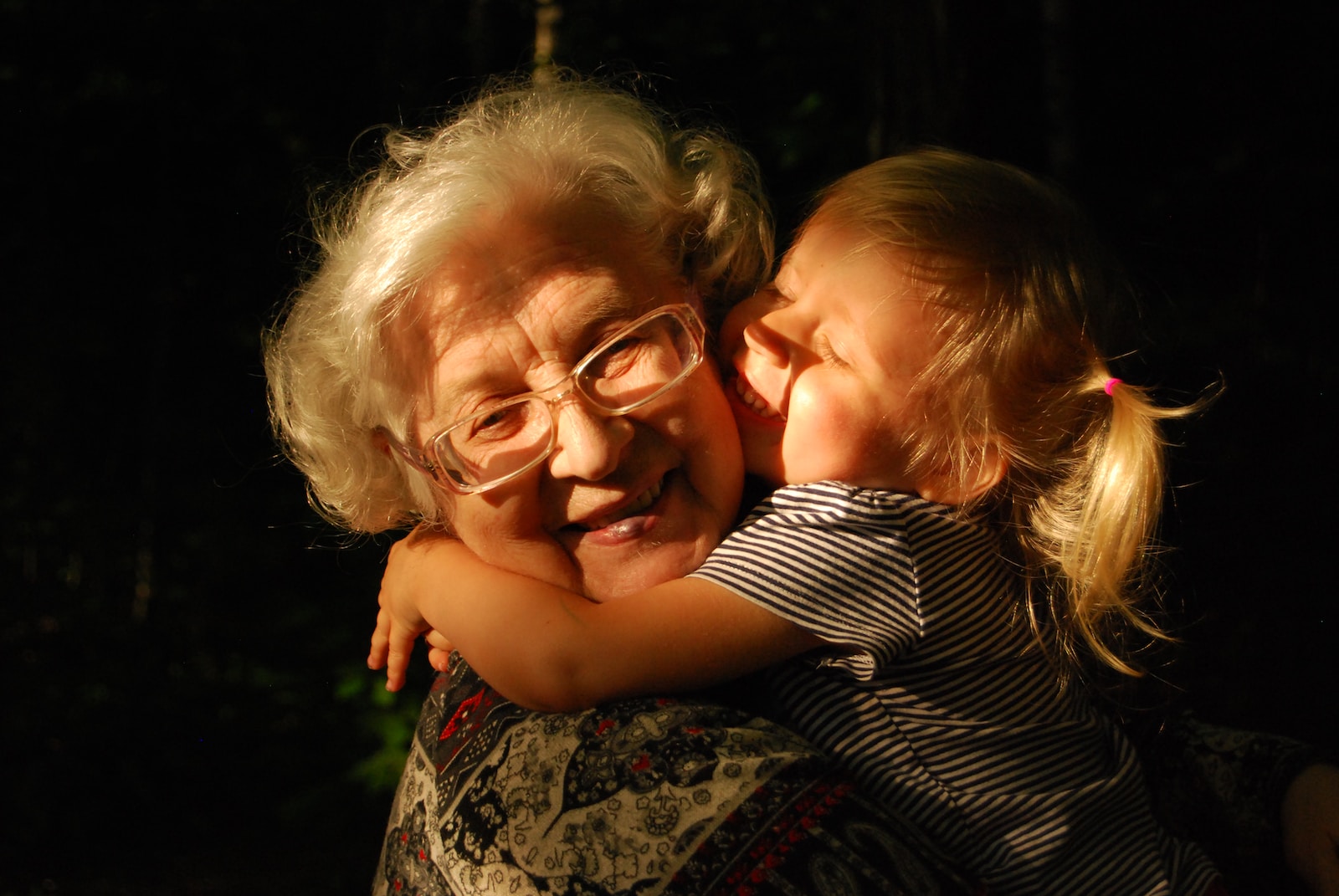
An intriguing study of 120 grandmothers might surprise you. Doctors know socially engaged people have better cognition and less dementia. But can a person get too much of a good thing? What’s the right balance?
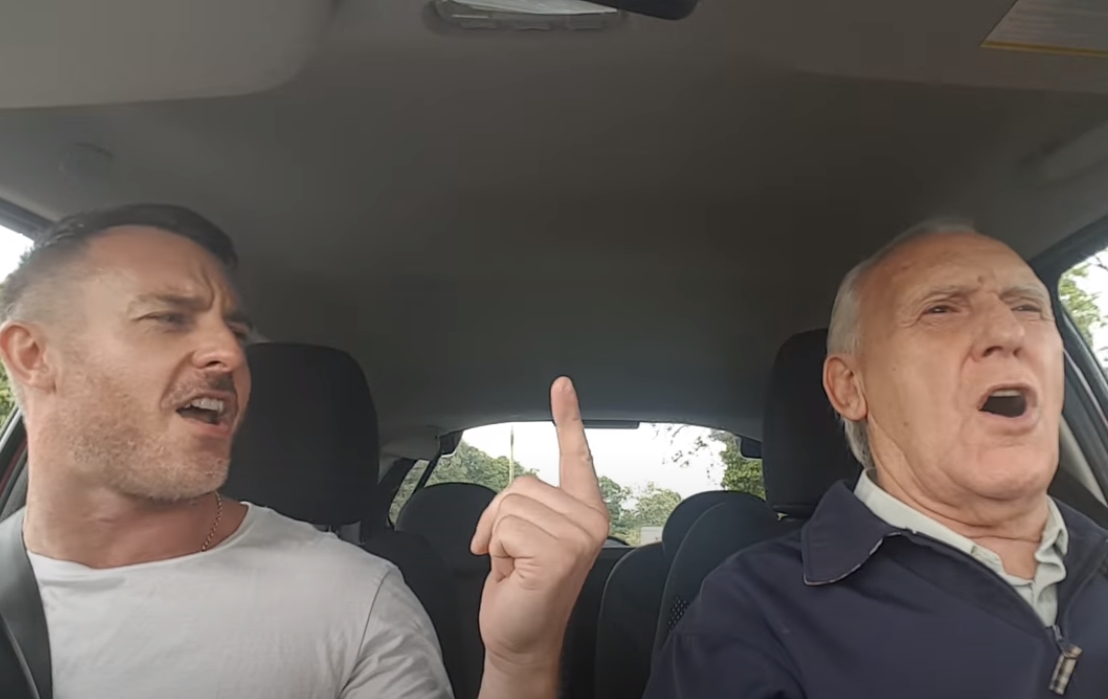
Enjoy this great duet between a musician with dementia and his son. A triumph of spirit over Alzheimer’s! Sing-a-long if you like!
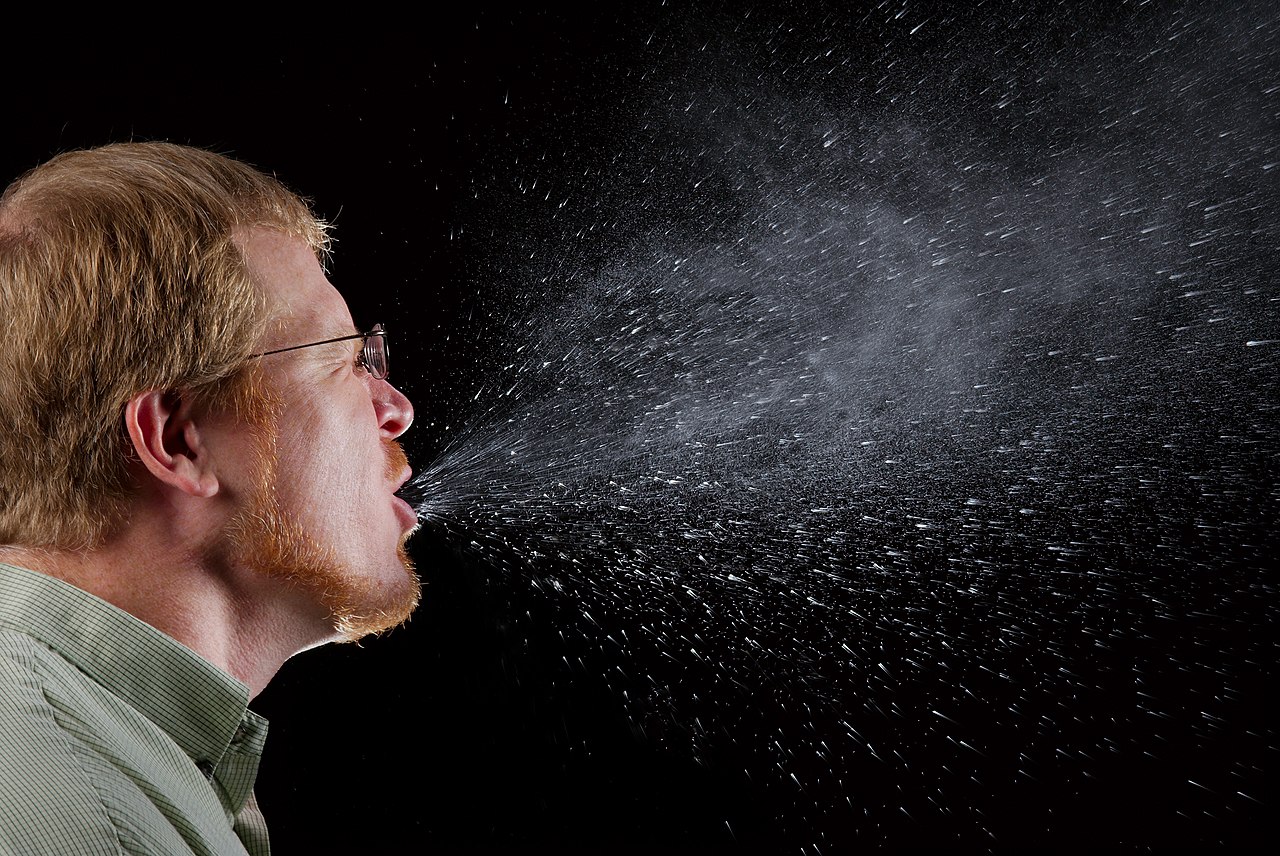
It looks like a sneeze cannot give anyone Alzheimer’s. While Alzheimer’s abnormal disease proteins do spread from cell-to-cell, they are not “infectious”. Check out the facts.