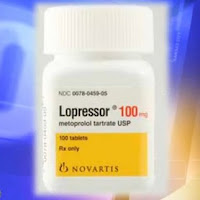
Blood Pressure & Dementia: Medications Do Double-Duty
People taking blood pressure drugs may be less likely to get Alzheimer’s disease and other types of dementia. Learn about this study’s results and which drugs are best.
People taking blood pressure drugs may be less likely to get Alzheimer’s disease and other types of dementia. Learn about this study’s results and which drugs are best.
See Georgia Tech’s simple-to-use computer program that allows adults to screen themselves for
early signs of dementia.

Princeton University set its sights on preventing amyloid-beta plaque, the most notorious culprit behind Alzheimer’s. Using a revolutionary high-volume testing technique, learn about their success with D737.

Having trouble sleeping? You’re not alone. But a group of federal agencies have provided new resources to help. Learn more.

BACKSTAGE: See how Dr. Mary Sano, Director of Alzheimer’s Research at Mount Sinai Medicine, advised Julianne Moore behind-the-scenes in this emotionally deep movie.

MEMORY & THINKING are activated by acetyl-choline. Alzheimer’s drugs boost acetyl-choline. Other medications, from allergy to insomnia drugs, may be anti-cholinergic, lowering acetyl-choline. This can spell trouble in dementia. Learn which drugs to avoid and what to look out for.

New Alzheimer’s drugs clear brain plaque made of amyloid-beta. 9 years ago, researchers discovered another Alzheimer’s culprit called amyloid-ETA. Now, they’ve possibly figured out how it works. Learn how balancing these two suspects may hold the key to success in current clinical trials.

Three important dementia studies focus on HS-AGING, a type of dementia almost as common as Alzheimer’s in the 85+ group. Yet few people have heard of it. Why? What makes it different?

An intriguing study of 120 grandmothers might surprise you. Doctors know socially engaged people have better cognition and less dementia. But can a person get too much of a good thing? What’s the right balance?

Enjoy this great duet between a musician with dementia and his son. A triumph of spirit over Alzheimer’s! Sing-a-long if you like!
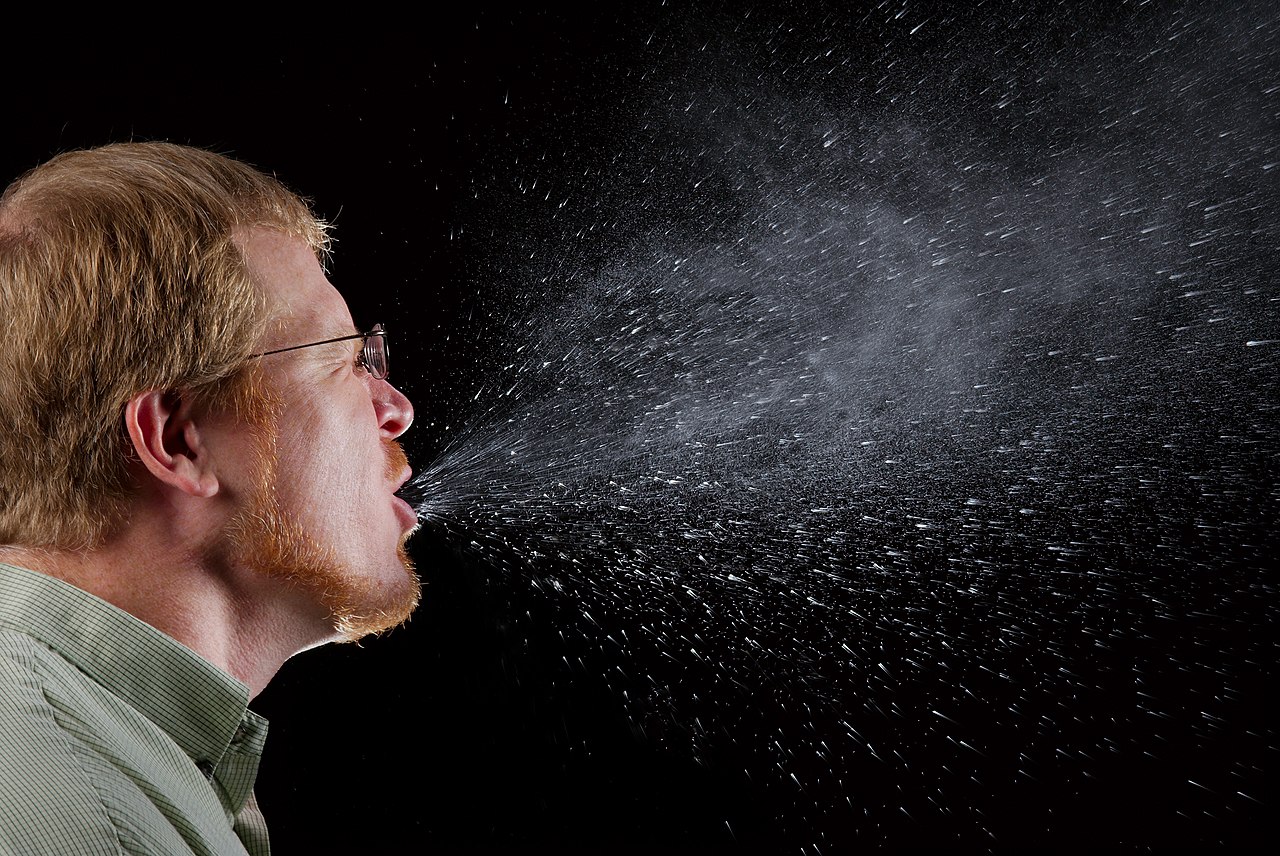
It looks like a sneeze cannot give anyone Alzheimer’s. While Alzheimer’s abnormal disease proteins do spread from cell-to-cell, they are not “infectious”. Check out the facts.