7 Steps to Alzheimer’s
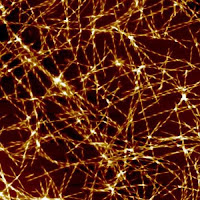
Plaques are the best-known Alzheimer’s culprit. Cambridge scientists have figured out the 7 steps to forming these plaques. Find out how targeting the formation of these “oligomers” may hold the key to a cure.
Plaques are the best-known Alzheimer’s culprit. Cambridge scientists have figured out the 7 steps to forming these plaques. Find out how targeting the formation of these “oligomers” may hold the key to a cure.

UCLA researchers found active people build 5% more gray matter in their brain. See how this prevents Alzheimer’s.

To get a definite diagnosis of Alzheimer’s requires an F18 brain scan, costing $3,000. Can the olfactory nerves’ ability to sense peanut butter offer an alternative Alzheimer’s test? It certainly seems accurate enough, at 1/1000th the cost!

Fresh air and exercise, improved appetite, fewer medications and happier family visits typify the world’s first “Dementia Village”. See how an inspired nursing home manager took a dreary hospital and turned it into a respect-filled, compassionate community.

Cardiovascular events like strokes can trigger vascular dementia.American Heart Association cholesterol guidelines can significantly reduce cardiovascular events. Is it time to take a fresh look at your cholesterol?

SLEEP VIDEO & ARTICLE: Sound stimulation can improve sleep and memory for people with pre-dementia. This study used easy-to-buy “pink noise” machines. See how simple sleep therapy makes a real difference.

VIDEO+ARTICLE: Sundowning in dementia can derail evenings with anxiety, agitation, and confusion. Here’s why it happens—and what actually helps.
POLICE DASH CAM VIDEO + ARTICLE:
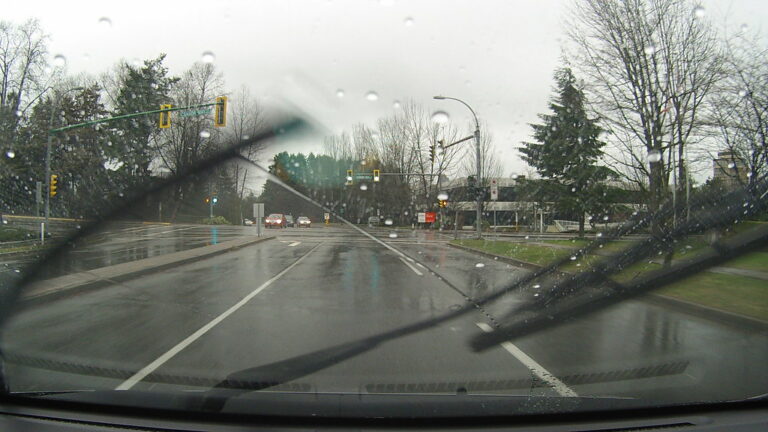
See a man with Alzheimer’s driving 60 MPH (100kph) at police, against traffic, on New Year’s. Learn how-and-when to help a person with Alzheimer’s hand in the car keys.

Posterior Cortical Atrophy, or PCA, is a specific form of Alzheimer’s that affects the back of the brain.
Author Terry Pratchett was diagnosed with it.

NEW YEAR’S VIDEO & ARTICLE: New Year’s Eve can still be a fun, enjoyable experience for loved ones with dementia. It’s a perfect moment to reflect on past moments that warmed the soul.
Learn how reminiscing makes for a great activity.

ACTIVITIES VIDEO + ARTICLE: A one-of-a-kind Alzheimer’s center inspires and stimulate memories for people living with dementia.

People living with dementia can experience changed perception, often resulting in visual misinterpretation and disorientation –but simple changes in the environment can help.

VIDEO + ARTICLE: After studying 2,000 people, learn why researchers were surprised to find that allowing ourselves to ‘feel lonely’, and NOT ‘being alone’, was associated with getting dementia. See how feeling connected keeps your brain cells connected, too.

Three important dementia studies focus on HS-AGING, a type of dementia almost as common as Alzheimer’s in the 85+ group. Yet few people have heard of it. Why? What makes it different?
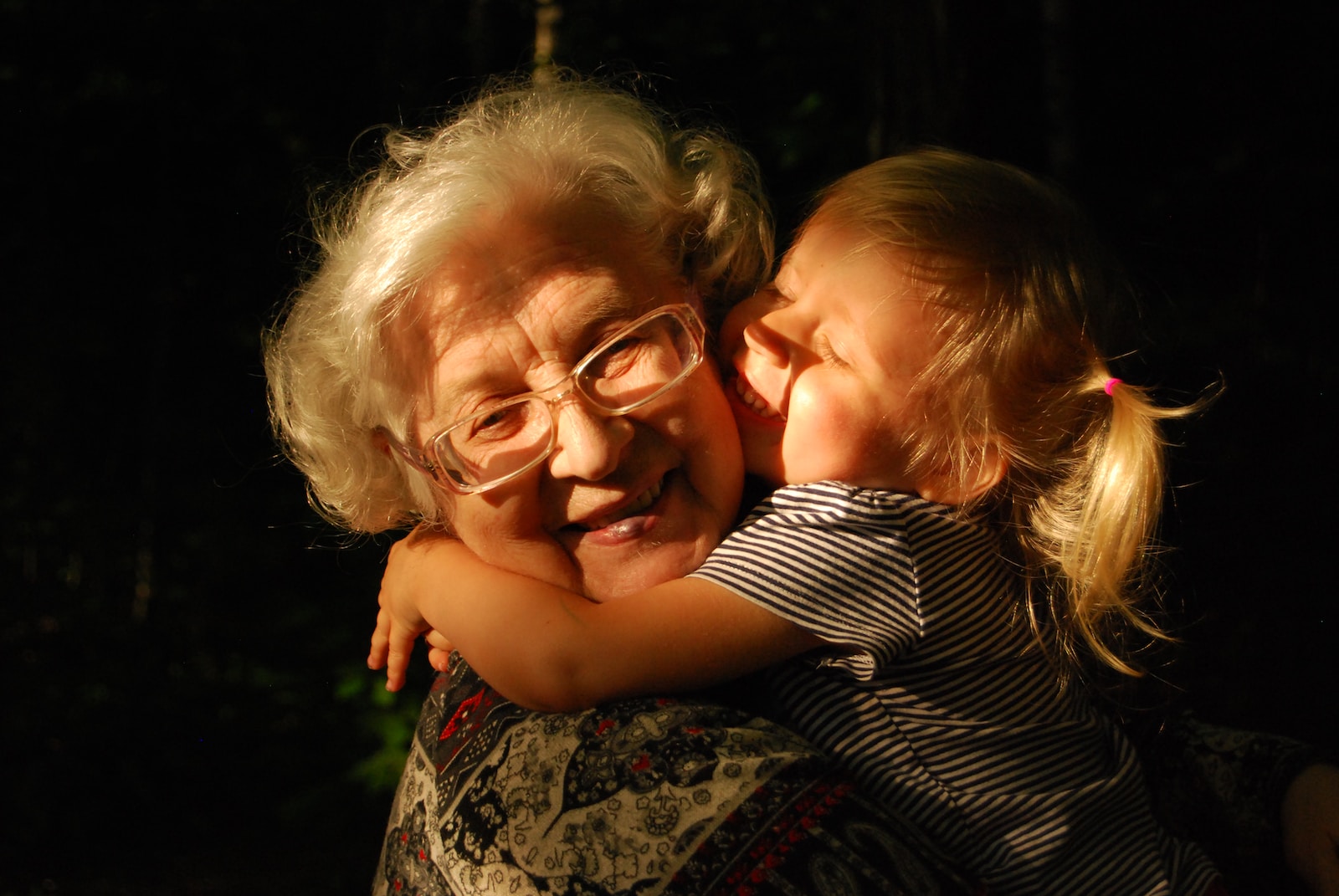
An intriguing study of 120 grandmothers might surprise you. Doctors know socially engaged people have better cognition and less dementia. But can a person get too much of a good thing? What’s the right balance?

Enjoy this great duet between a musician with dementia and his son. A triumph of spirit over Alzheimer’s! Sing-a-long if you like!

It looks like a sneeze cannot give anyone Alzheimer’s. While Alzheimer’s abnormal disease proteins do spread from cell-to-cell, they are not “infectious”. Check out the facts.