Joyful Holidays Despite Dementia
VIDEO & ARTICLE – CARE TIPS:
This season is filled with family and friends, laughter and reminiscing. Learn ways to prevent dementia’s stress, frustration, and loneliness. Fill the holiday with joy.
VIDEO & ARTICLE – CARE TIPS:
This season is filled with family and friends, laughter and reminiscing. Learn ways to prevent dementia’s stress, frustration, and loneliness. Fill the holiday with joy.
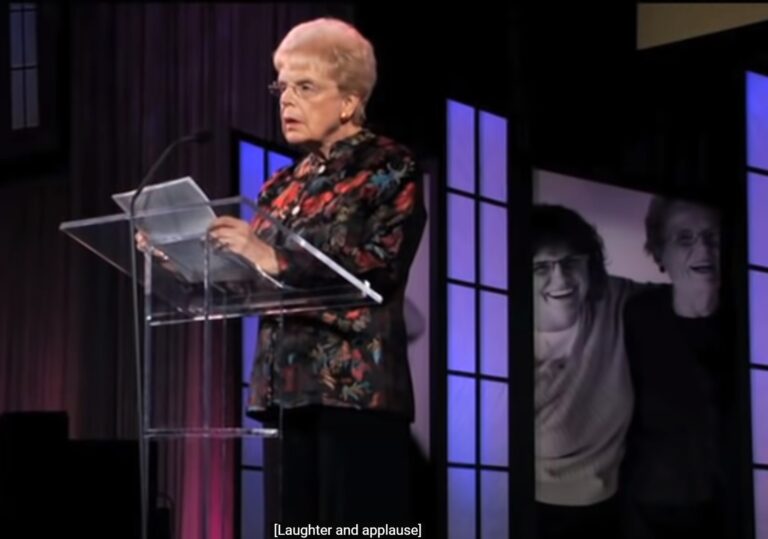
FUNNY VIDEO – HAPPY THANKSGIVING: Mary Maxwell, a diminutive “little old lady,” shines a very funny light on the foibles of aging, to the delight of an audience filled with senior-care experts.

A simple, must-know legal checklist to help families stay protected, prepared, and supported when Alzheimer’s becomes part of life.

HOLIDAY TIPS: Getting together for a holiday meal can cause a person with Alzheimer’s confusion and anxiety. Get 10 tips to make the holiday more easy and pleasurable.

MUSIC VIDEO: Dedicated to every sweetheart with dementia, to let them know how much they are loved.

HOLIDAYS & DEMENTIA: Thanksgiving is a time of togetherness. People with Alzheimer’s need a special touch. See four dementia tips.

Although it is hard to think beyond “today” after a diagnosis of dementia, it’s really important to look ahead. Taking steps to plan for the future will make “tomorrow” smoother.

HOLIDAY PREPARINGS: Holiday tips to help caregivers & people with dementia visiting family, friends & neighbors.

In November 1994, President Reagan hand-wrote this profound message to America, sharing his Alzheimer’s diagnosis. His words broke stigmas and myths. Watch Nancy Reagan describe that moment. Read his magnificent letter.
For Alzheimer’s Awareness Month, spread this video to raise awareness of simple things you can do to prevent Alzheimer’s.

This quick, effective 3 to 5 minute dementia test produces results comparable to “gold standard” dementia tests used by clinicians.

LIGHTING TIP + NEW VIDEOS: Light therapy for Alzheimer’s increases sleep quality, efficiency and duration, according to an important study. 4 weeks of light therapy also significantly reduced depression and agitation. Learn how.

TEEPA SNOW VIDEO: People with dementia can say, do and act in the most frustrating ways. Learn why it happens the way it does, how to take it, and what to do about it.

Three important dementia studies focus on HS-AGING, a type of dementia almost as common as Alzheimer’s in the 85+ group. Yet few people have heard of it. Why? What makes it different?
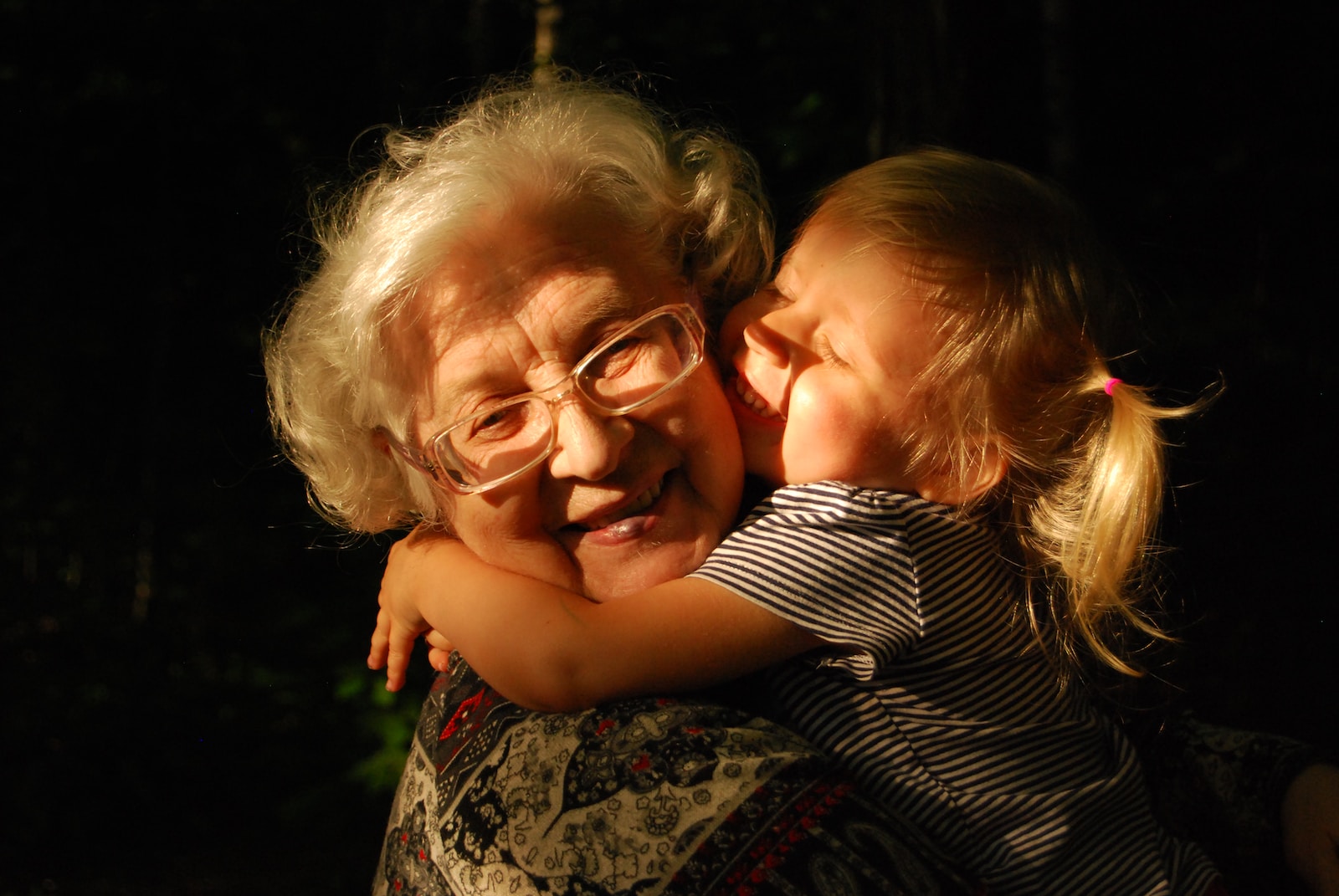
An intriguing study of 120 grandmothers might surprise you. Doctors know socially engaged people have better cognition and less dementia. But can a person get too much of a good thing? What’s the right balance?

Enjoy this great duet between a musician with dementia and his son. A triumph of spirit over Alzheimer’s! Sing-a-long if you like!

It looks like a sneeze cannot give anyone Alzheimer’s. While Alzheimer’s abnormal disease proteins do spread from cell-to-cell, they are not “infectious”. Check out the facts.