A Timeline of Alzheimer’s Drug Development
The first drugs for Alzheimer’s disease emerged in the 1990s, but since then there has been a wave of clinical trial failures, major companies pulling resources from neuroscience R&D, and progress.
The first drugs for Alzheimer’s disease emerged in the 1990s, but since then there has been a wave of clinical trial failures, major companies pulling resources from neuroscience R&D, and progress.
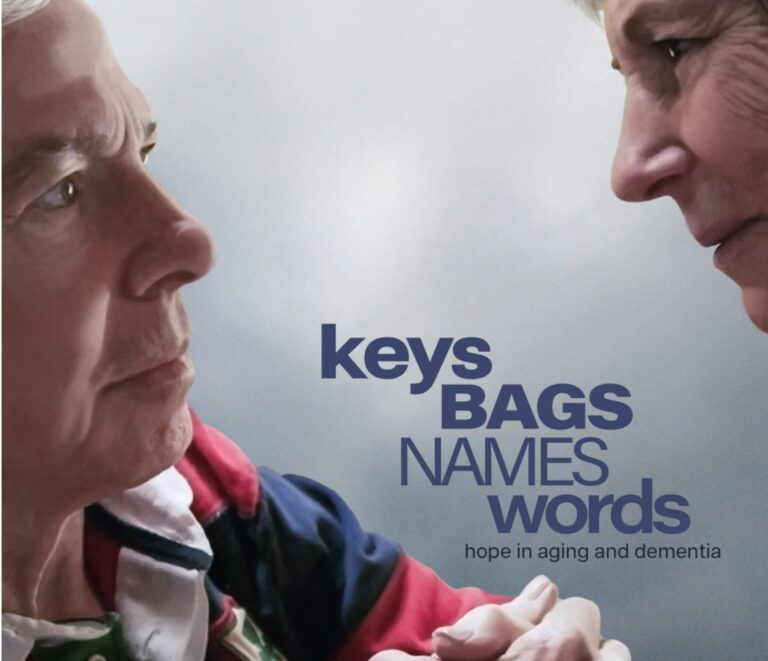
“Keys Bags Names Words” is a hopeful Alzheimer’s movie. The film portrays stories of young scientists and artists from around the world in, their effort to help those who are affected.

What’s it like having early-onset dementia? Find out today from Jason, who shares his answers with viewers who have asked about his experiences and those of his wife Leslie.

Gary, a former dentist living in a dementia care center, gets confused — and it worries him. See staff “redirect” him and relieve his anxiety.

Can miniature towns make dementia care more humane? Designers of The Hogeweyk dementia village in Netherlands believe so.

Struggling with early onset dementia, Greg Kelly traveled from Australia to Denmark to see what life would be like in a dementia village. He was surprised by what he saw.
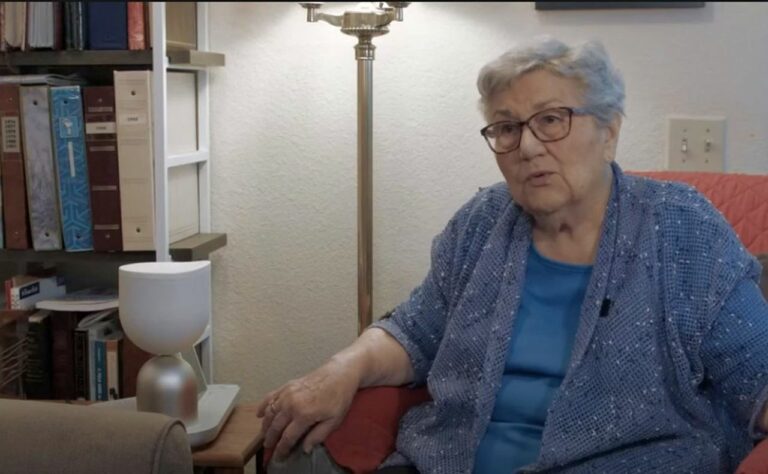
Meet ElliQ, a friendly little robot companion to brighten the days of older adults who spend most of their time at home.

BETTER MOOD: In dementia, the brain loses abilities. This changes personality and behavior. Use this tip sheet’s suggestions to better understand, cope and manage the changes.

Easy golfing is great for people with dementia. It offers opportunities to socialize and be active, without memory or athletic constraints. See how one club integrated golf into the routine of a family living with dementia. Learn about an easy-to-set-up indoor/outdoor home golfing kit.

HOME DESIGN: Use this safety checklist for living at home with dementia. It can alert you to potential hazards.

Three important dementia studies focus on HS-AGING, a type of dementia almost as common as Alzheimer’s in the 85+ group. Yet few people have heard of it. Why? What makes it different?
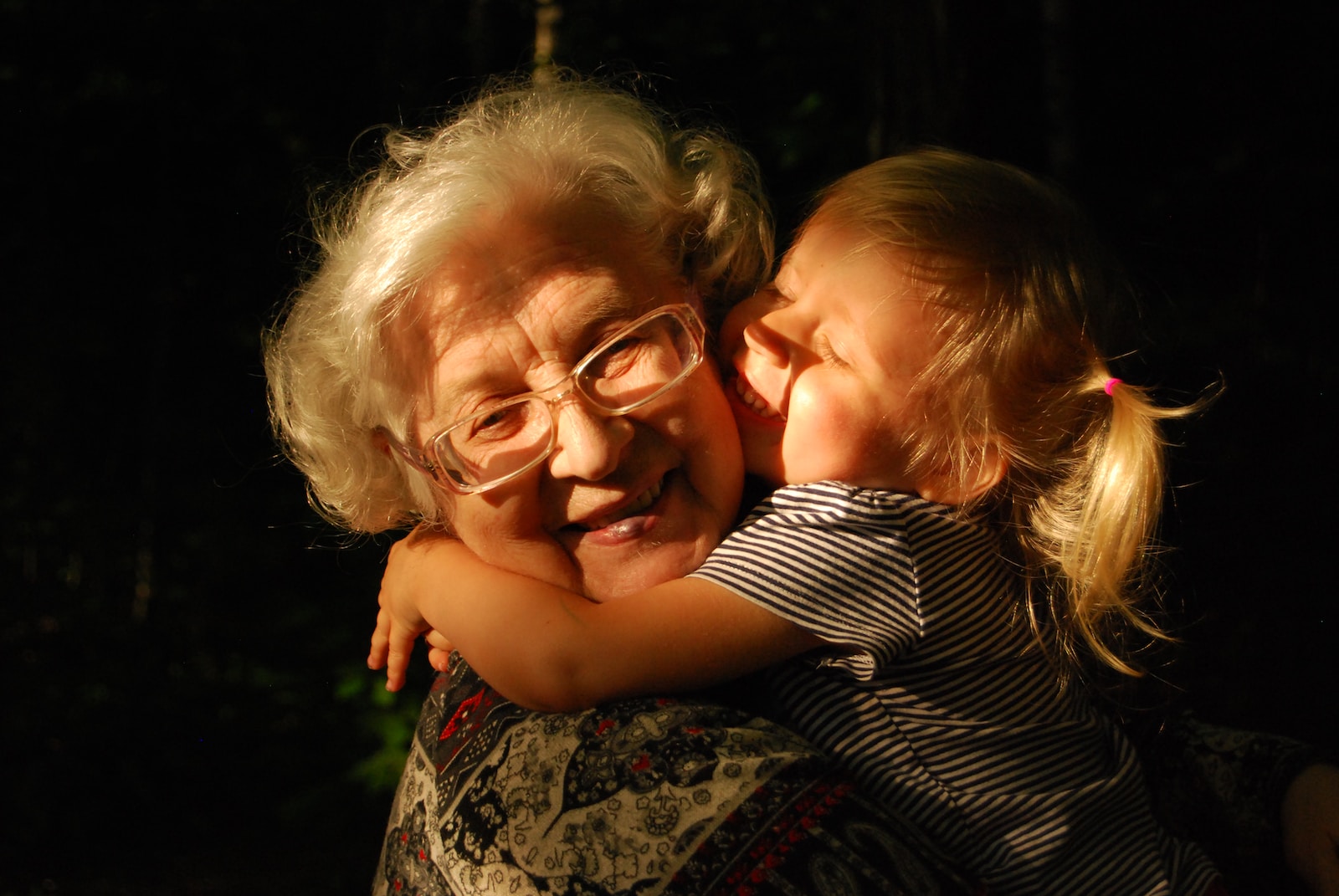
An intriguing study of 120 grandmothers might surprise you. Doctors know socially engaged people have better cognition and less dementia. But can a person get too much of a good thing? What’s the right balance?

Enjoy this great duet between a musician with dementia and his son. A triumph of spirit over Alzheimer’s! Sing-a-long if you like!

It looks like a sneeze cannot give anyone Alzheimer’s. While Alzheimer’s abnormal disease proteins do spread from cell-to-cell, they are not “infectious”. Check out the facts.