A Timeline of Alzheimer’s Drug Development
The first drugs for Alzheimer’s disease emerged in the 1990s, but since then there has been a wave of clinical trial failures, major companies pulling resources from neuroscience R&D, and progress.
The first drugs for Alzheimer’s disease emerged in the 1990s, but since then there has been a wave of clinical trial failures, major companies pulling resources from neuroscience R&D, and progress.
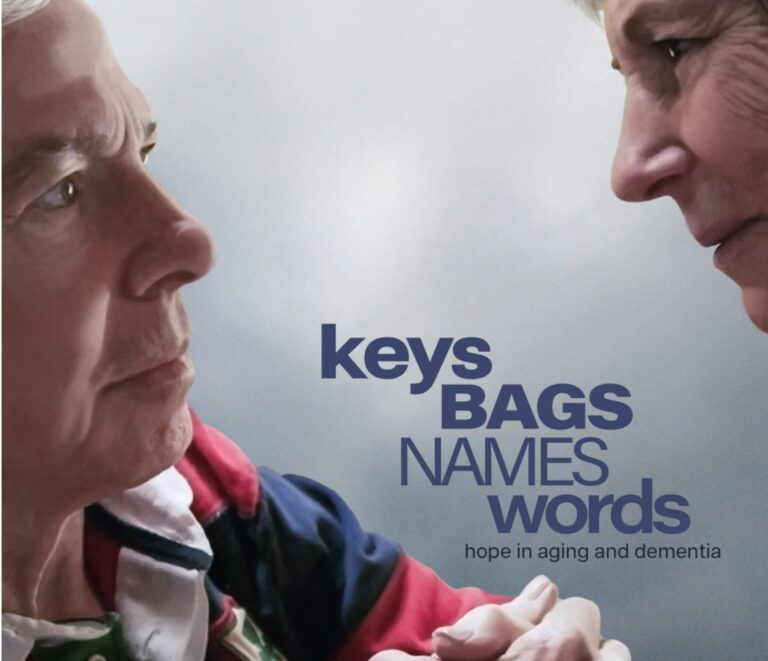
“Keys Bags Names Words” is a hopeful Alzheimer’s movie. The film portrays stories of young scientists and artists from around the world in, their effort to help those who are affected.
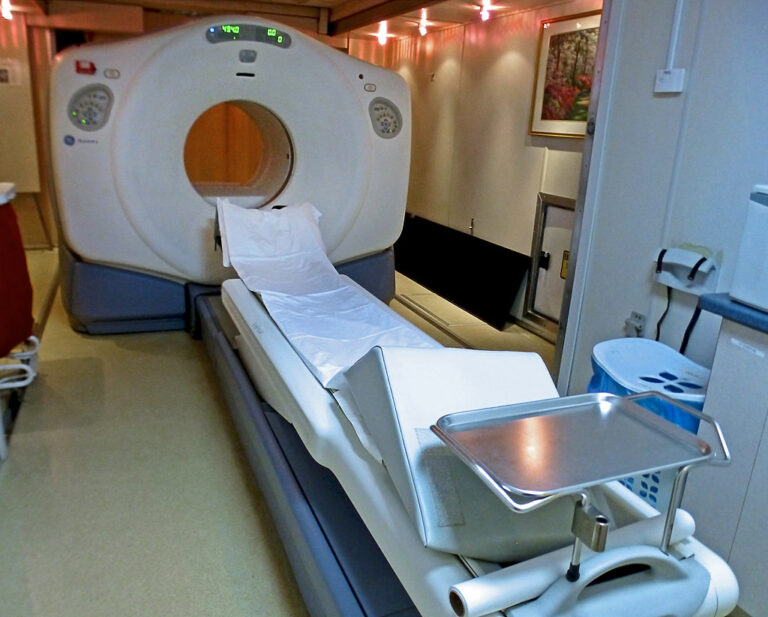
Tau PET is an imaging test used to detect the presence of tau protein in the brain. Researchers say it’s the best way to predict the rate of cognitive decline due to Alzheimer’s.

Researchers at UCI found that breathing in aromas while sleeping sparks a 226% cognitive increase.
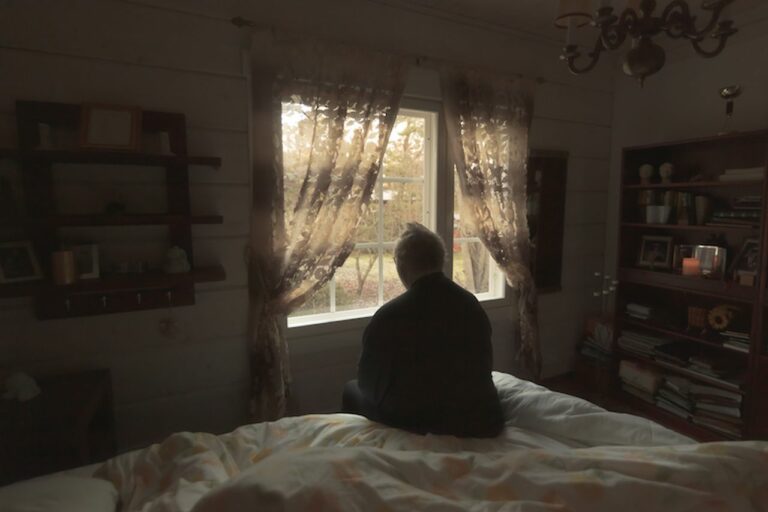
Alzheimer’s research from UVA Health suggests that enhanced light sensitivity may contribute to “sundowning” – the worsening of symptoms late in the day.

What’s it like having early-onset dementia? Find out today from Jason, who shares his answers with viewers who have asked about his experiences and those of his wife Leslie.
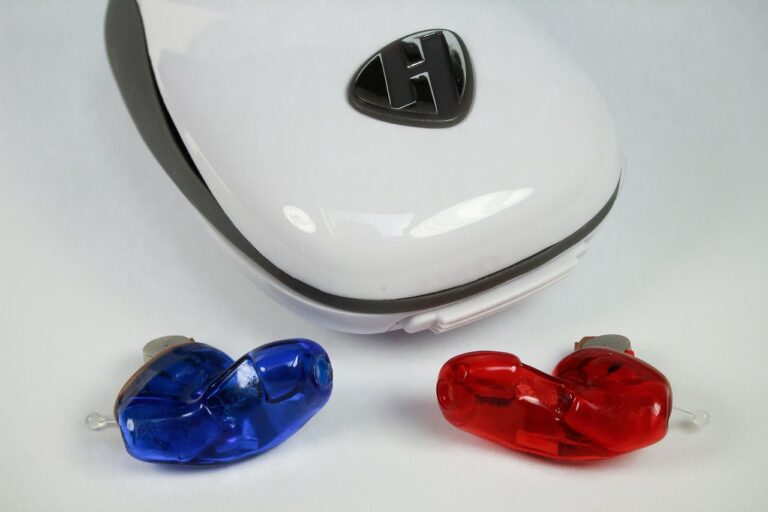
The future of millions at risk for dementia could change with the use of hearing aids. Learn more.

Dr. Robert Przybelski has prescribed lecanemab to real-life patients, and discusses his experience prescribing and administering the treatment.

Can miniature towns make dementia care more humane? Designers of The Hogeweyk dementia village in Netherlands believe so.

The FDA has approved generic lecanemab (brand name Leqembi®). The new drug can slow the progression of Alzheimer’s. Two top doctors discuss the pros and cons.
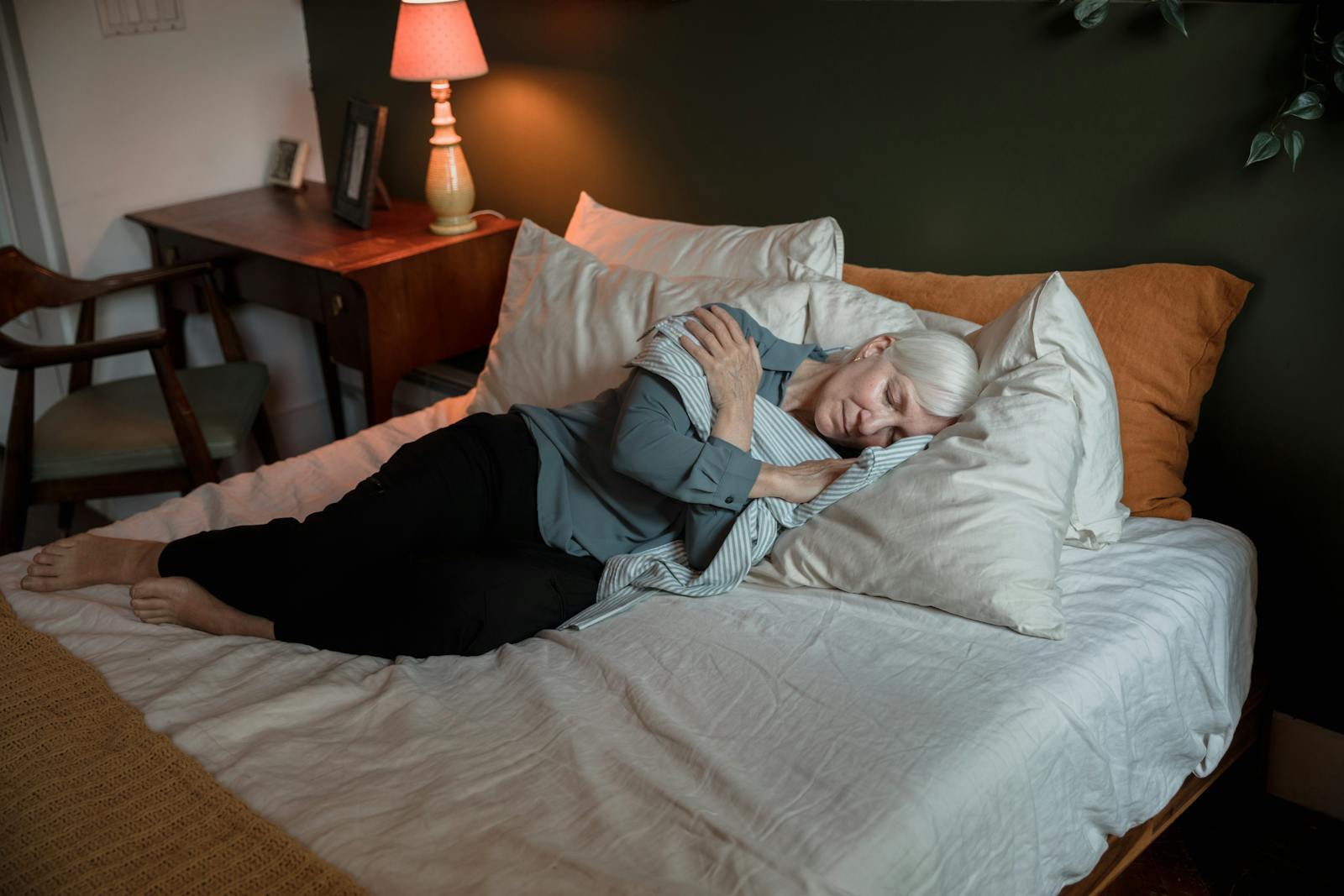
VIDEO+ARTICLE: Depth of sleep impacts our brain’s ability to wash away waste and toxic proteins. Sleep becomes lighter and disrupted as we get older. A new study reveals intriguing links between aging, sleep deprivation, and Alzheimer’s risk.
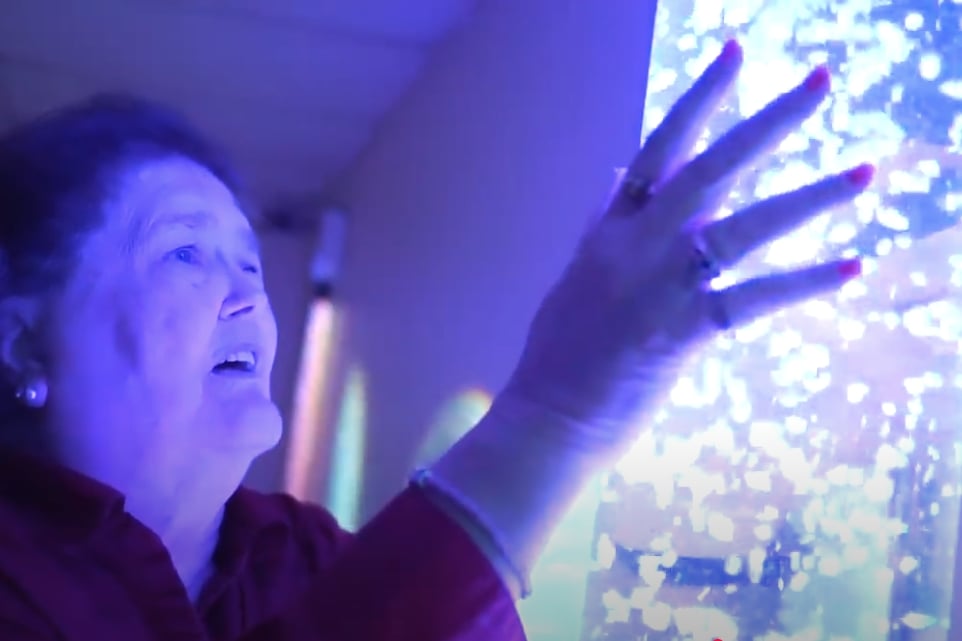
STIMULATION VIDEO: See how Snoezelen Rooms offer sensory experiences designed for dementia. “We have found more stimulation slows down the progression of the disease process.” Relax, explore, hear Frank Sinatra, enjoy calming colors, even test memory.
DIAGNOSIS VIDEO: TEEPA SNOW explores the challenge of getting a good diagnosis in today’s medical system. See her explain differences between Alzheimer’s and other dementias. Learn how to prepare for a brain health checkup.

Three important dementia studies focus on HS-AGING, a type of dementia almost as common as Alzheimer’s in the 85+ group. Yet few people have heard of it. Why? What makes it different?
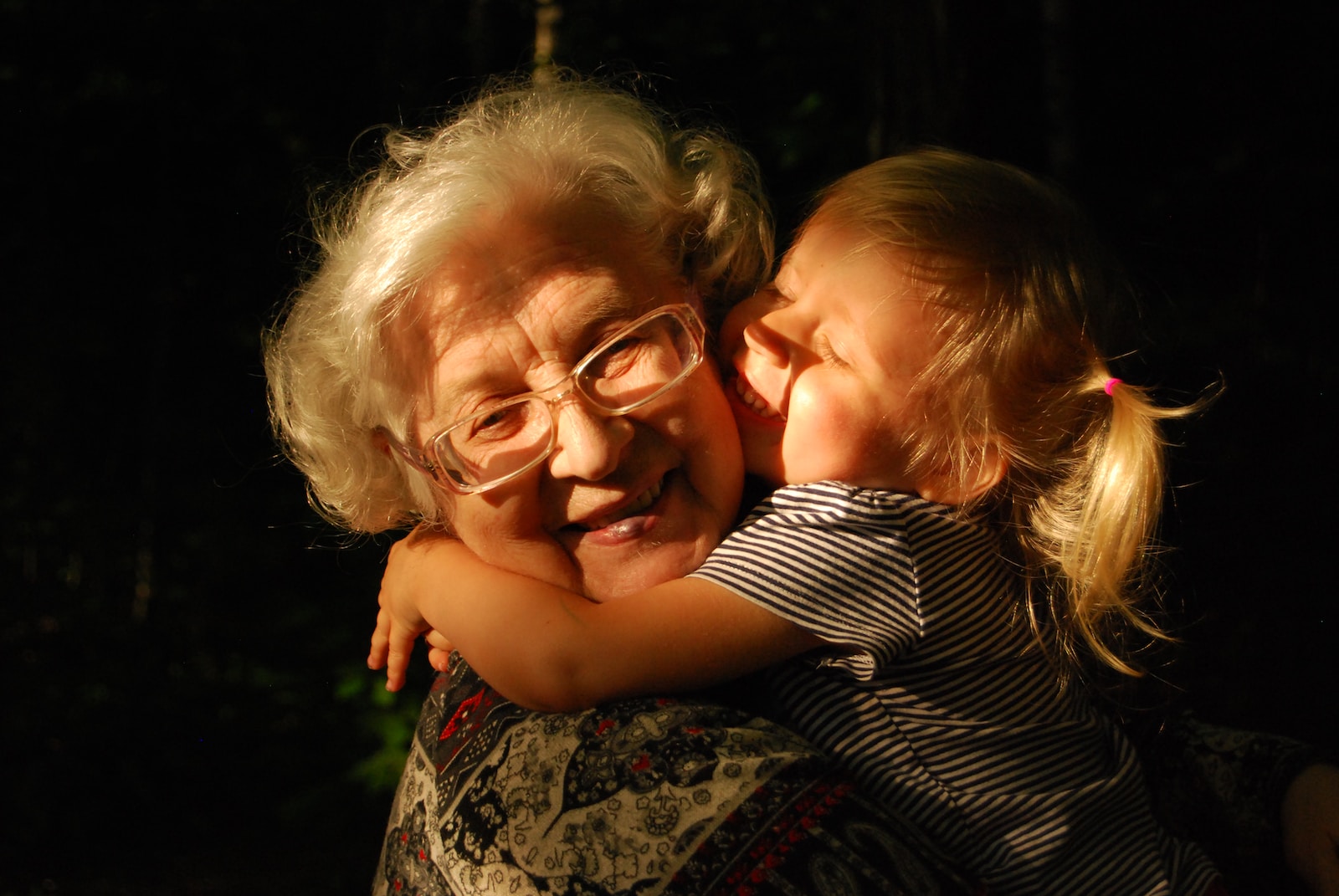
An intriguing study of 120 grandmothers might surprise you. Doctors know socially engaged people have better cognition and less dementia. But can a person get too much of a good thing? What’s the right balance?
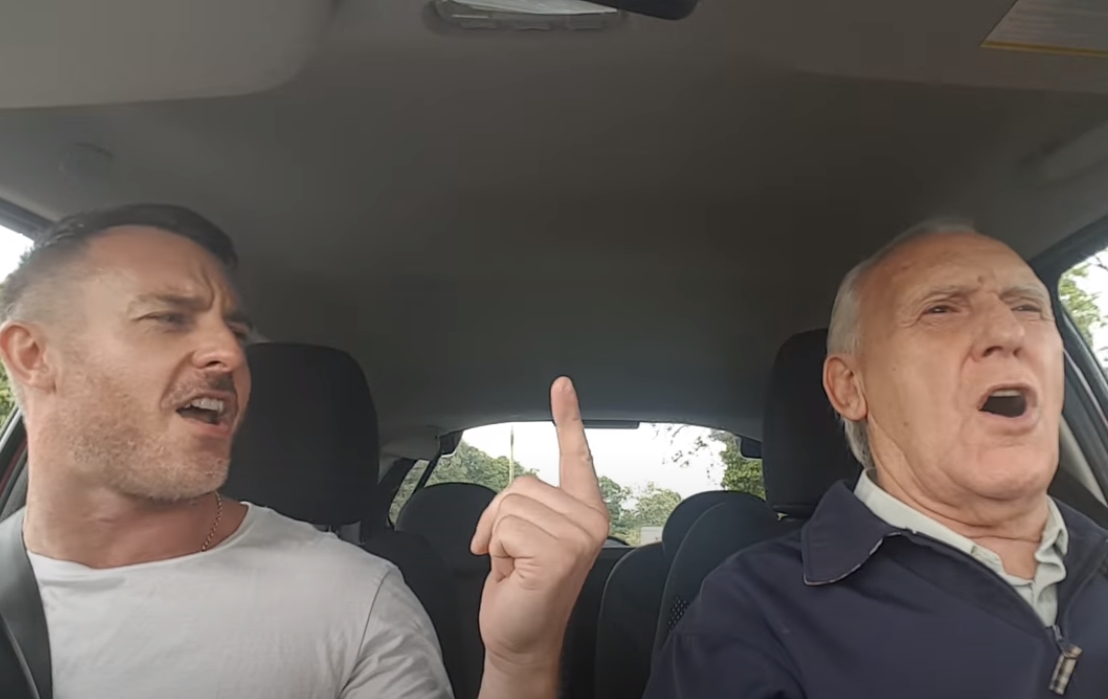
Enjoy this great duet between a musician with dementia and his son. A triumph of spirit over Alzheimer’s! Sing-a-long if you like!
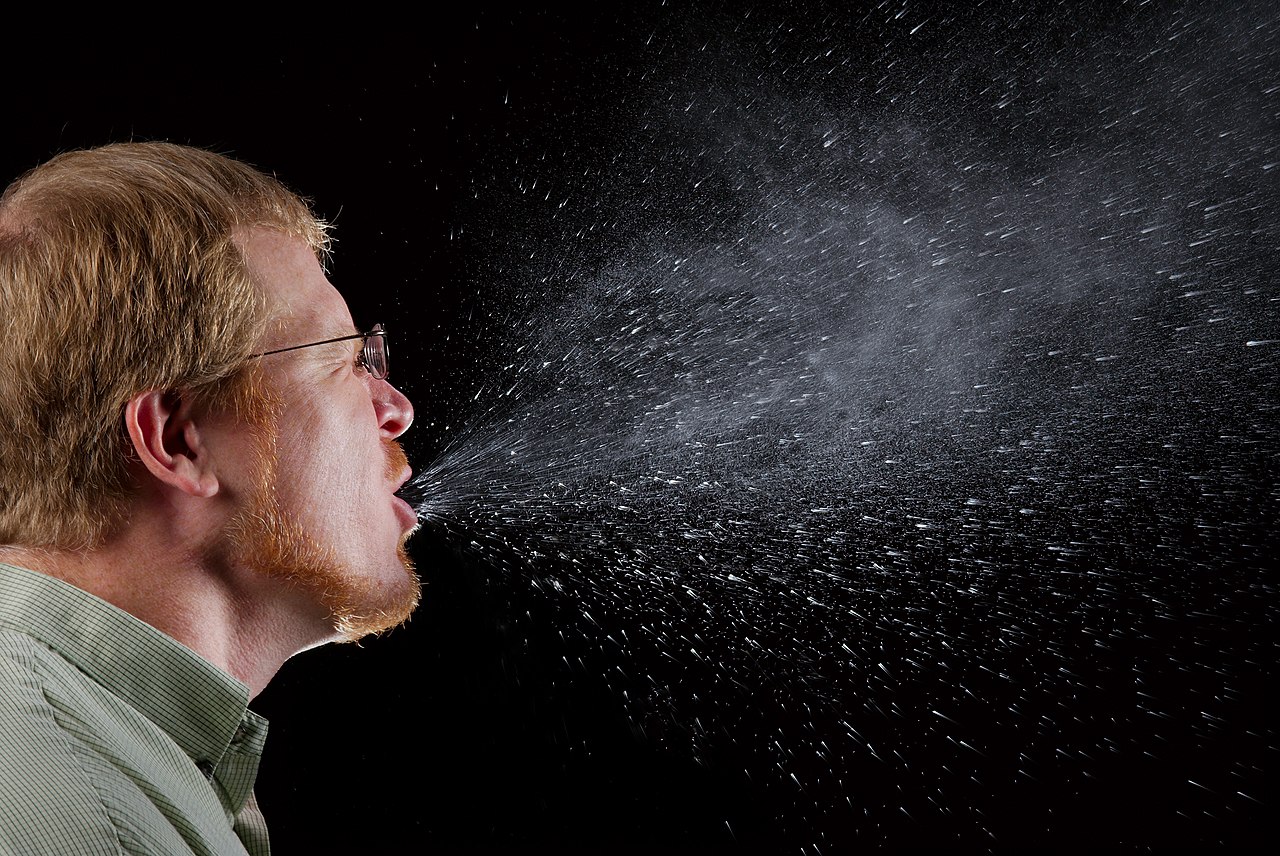
It looks like a sneeze cannot give anyone Alzheimer’s. While Alzheimer’s abnormal disease proteins do spread from cell-to-cell, they are not “infectious”. Check out the facts.