Grow Your Dementia Practice with Free Personalized Newsletters
How Personalized Alzheimer’s Weekly Newsletters Boost Business for Dementia Professionals.
How Personalized Alzheimer’s Weekly Newsletters Boost Business for Dementia Professionals.

DOES AGE LEAD to deterioration of brain function, or do older brains just take longer to process ever increasing amounts of knowledge? The latest research may surprise you.

Copper hits the brain with a one-two punch. It inhibits clearance of, AND it stimulates production of, Alzheimer’s plaque. See why copper is a key player in Alzheimer’s.

VIDEO+ARTICLE:
Reagan revolutionized Alzheimer’s awareness. Is there truth to the notion of Ronald Reagan having Alzheimer’s during his presidency? After all, President Reagan’s winning vote margins were massive, among the biggest in American history.

Baylor University/Dell Medical School study reveals surprising link between technology use and reduced risk for dementia for older adults.


MOTHER’S DAY USA, MAY 11, can remain a meaningful and enjoyable occasion for families impacted by Alzheimer’s. Planning takes more thought and each family’s unique circumstances need to be considered. These tips can help:

The drugs, called NRTIs, have the potential to prevent a million cases of Alzheimer’s every year, the researchers believe.
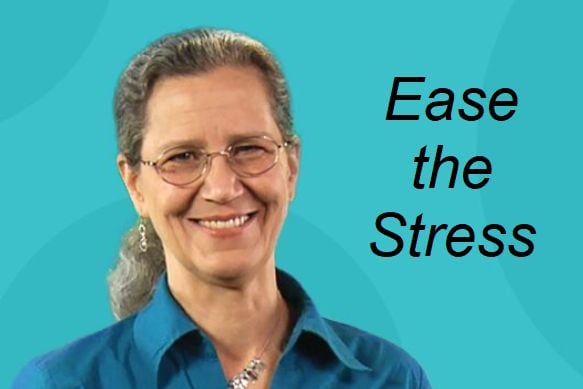
TEEPA SNOW explains how to handle caregiver stress that is brought on by challenging behaviors in dementias such as Alzheimer’s.
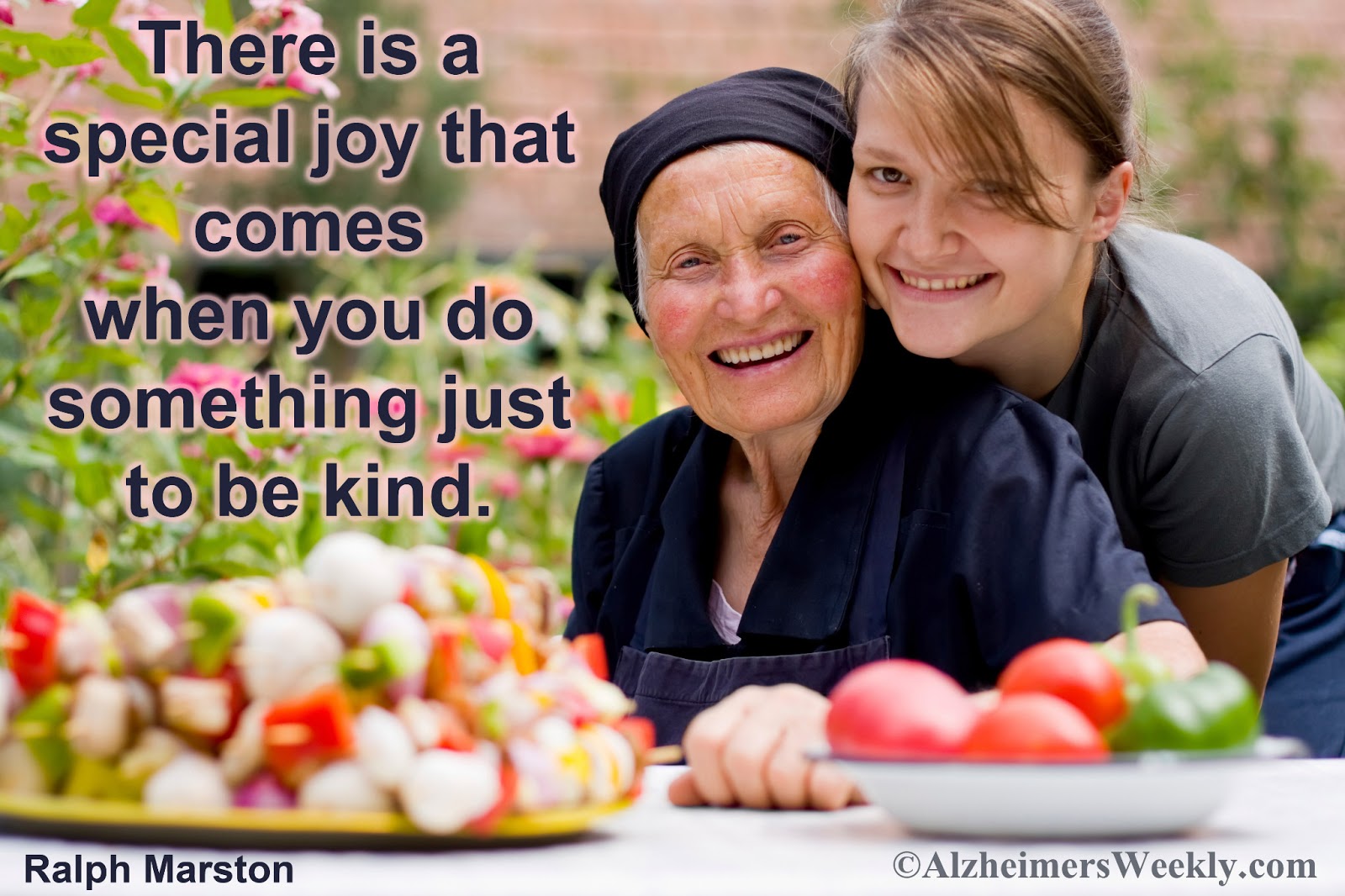
Mother and daughter with quote: “There is a special joy that comes when you do something just to be kind.”

New research highlights how hearing problems and dementia can mask one another — and why families may miss an important, treatable issue.

HideExcerpt

HideExcerpt

Three important dementia studies focus on HS-AGING, a type of dementia almost as common as Alzheimer’s in the 85+ group. Yet few people have heard of it. Why? What makes it different?
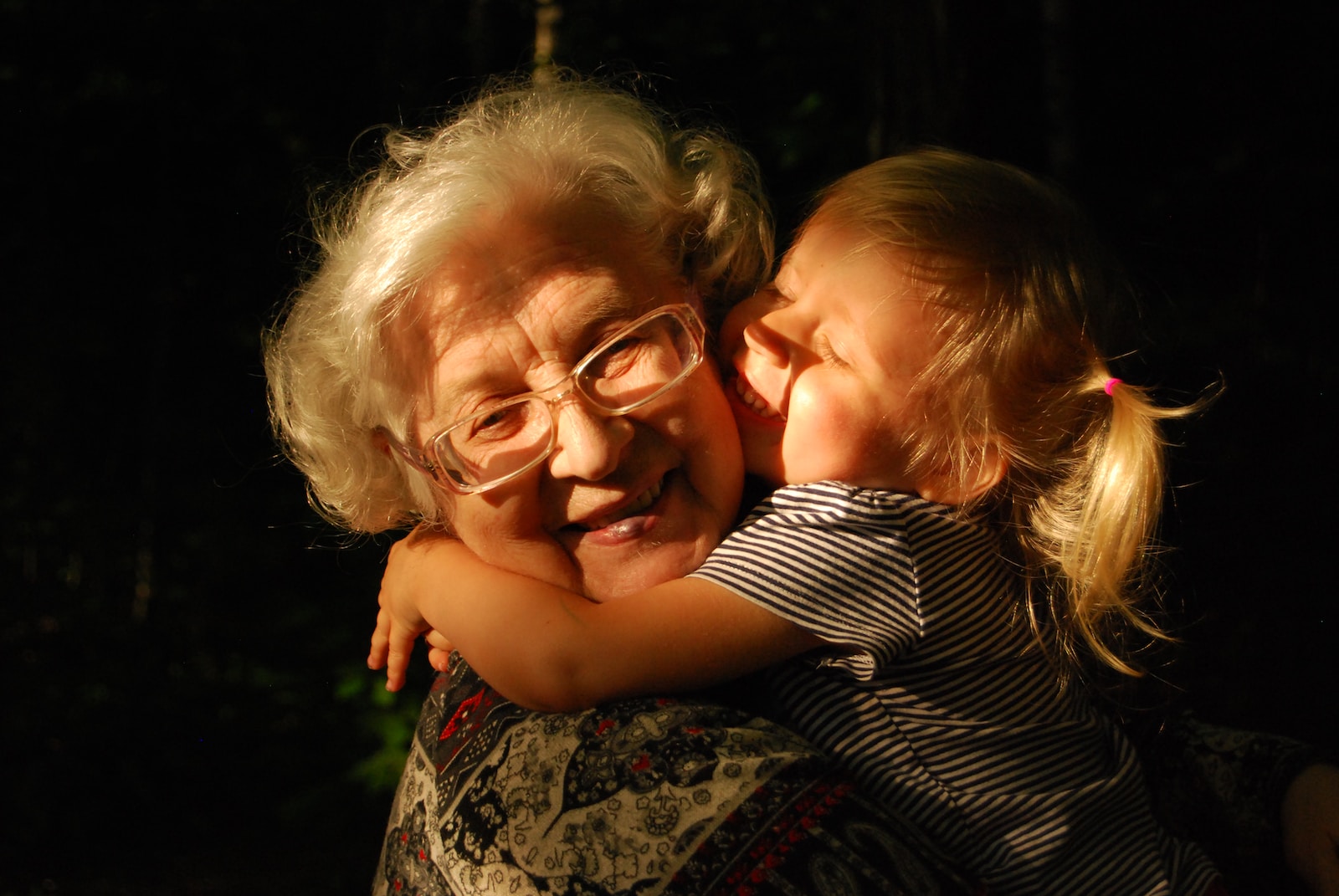
An intriguing study of 120 grandmothers might surprise you. Doctors know socially engaged people have better cognition and less dementia. But can a person get too much of a good thing? What’s the right balance?

Enjoy this great duet between a musician with dementia and his son. A triumph of spirit over Alzheimer’s! Sing-a-long if you like!

It looks like a sneeze cannot give anyone Alzheimer’s. While Alzheimer’s abnormal disease proteins do spread from cell-to-cell, they are not “infectious”. Check out the facts.