Saliva Test Detects Pain in Dementia
Find out how two biomarkers in saliva diagnose pain in dementia, effectively and non-invasively.
Find out how two biomarkers in saliva diagnose pain in dementia, effectively and non-invasively.

Watch this uniquely clear overview of the steps you can take to diagnose or prevent most types of dementia, including Alzheimer’s.

Lecanemab, the newest Alzheimer’s drug, is getting a boost by focusing ultrasound waves on the blood-brain barrier. Learn more about this next step in delivering better Alzheimer’s treatments.

New lab research shows high-sugar diets block brain cells performing anti-Alzheimer’s “housekeeping”. How strong is this diet-dementia link?

VIDEO+TRANSCRIPT: What are the best food sources of lutein, the primary carotenoid antioxidant in the brain?

Light therapy offers significant improvements in sleep and psycho-behavioral symptoms in Alzheimer’s. Check out a new study and some how-to tips.

Deliver your message to a highly-targeted audience on alzheimersweekly.com and in the Alzheimer’s & Dementia Weekly Newsletter.

172 participants showed a personalized health and lifestyle coach can delay or even prevent memory loss.

Do conscientiousness, extraversion and positive affect make your brain dementia-resistant?

At long last, we finally have a disease-modifying drug for Alzheimer’s. The FDA recently approved a new drug that promises to slow the progression of the disease. Only five Alzheimer’s treatments have been approved by the FDA up until a decade ago, and this is only the second to address the progression of the disease.

Damon McLeese is teaching Alzheimer’s patients to leverage their power to forget, by forgetting to “stay within the lines,” using graffiti. See Damon tell the heartwarming story of his latest collaboration.

Enjoy this great duet between a musician with dementia and his son. A triumph of spirit over Alzheimer’s! Sing-a-long if you like!

It looks like a sneeze cannot give anyone Alzheimer’s. While Alzheimer’s abnormal disease proteins do spread from cell-to-cell, they are not “infectious”. Check out the facts.

Three important dementia studies focus on HS-AGING, a type of dementia almost as common as Alzheimer’s in the 85+ group. Yet few people have heard of it. Why? What makes it different?
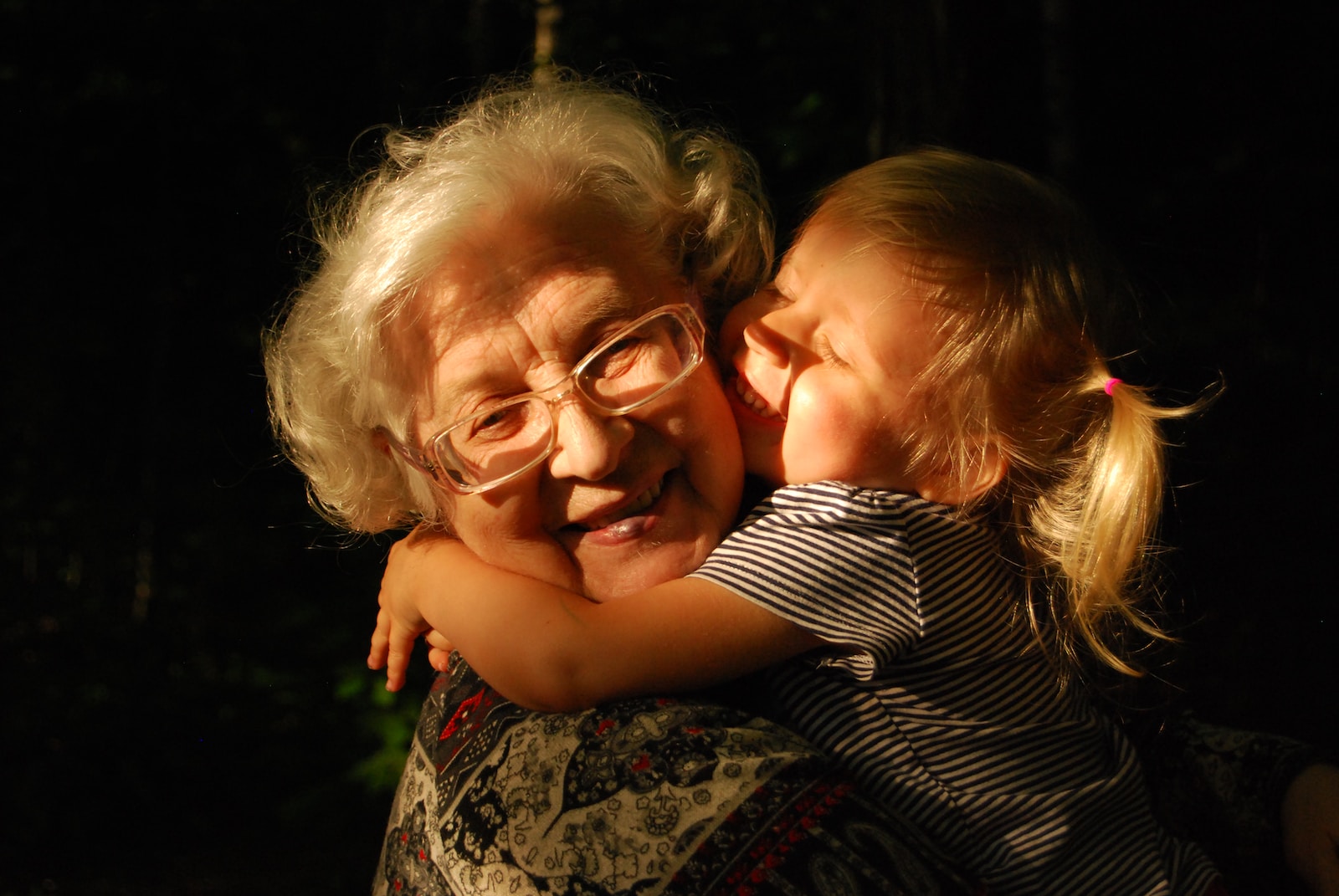
An intriguing study of 120 grandmothers might surprise you. Doctors know socially engaged people have better cognition and less dementia. But can a person get too much of a good thing? What’s the right balance?
Enjoy this great duet between a musician with dementia and his son. A triumph of spirit over Alzheimer’s! Sing-a-long if you like!
It looks like a sneeze cannot give anyone Alzheimer’s. While Alzheimer’s abnormal disease proteins do spread from cell-to-cell, they are not “infectious”. Check out the facts.