Think It’s Dementia? Good Chance It’s Not
Memory failing? New research shows you may need help, but not for dementia. Memory slips, stress and fatigue are growing in people with healthy memory.

Memory failing? New research shows you may need help, but not for dementia. Memory slips, stress and fatigue are growing in people with healthy memory.

People may not have easy access to sophisticated, expensive dementia tests. A simple test from Einstein Medicine uses a stopwatch and a few questions to determine one’s risk of dementia. The potential payoff could be tremendous for individuals, their families and society.

People worry about becoming forgetful. Is it the first sign of Alzheimer’s or just the passing years? After all, forgetfulness is a normal part of aging. Check out these quick ways to tell the difference.

A new test that can be completed in less than three minutes enables simple, accurate detection of cognitive impairment and Alzheimer’s in cognitively normal adults, including those with no symptoms of dementia. Find out more.

Alzheimer’s is the most common type of dementia, but it is just one cause. In this short Q & A, watch Stanford Neurologist Dr. Kerchner explain the importance of getting an accurate diagnosis.

WellnessCheck is a brief, friendly assessment, designed to help you understand your current cognitive wellness. It takes about 3 minutes and covers memory, mood, and focus.

To get a definite diagnosis of Alzheimer’s requires an F18 brain scan, costing $3,000. Can the olfactory nerves’ ability to sense peanut butter offer an alternative Alzheimer’s test? It certainly seems accurate enough, at 1/1000th the cost!

A Quest Diagnostics amyloid beta blood test helps determine the Alzheimer’s risk for people with signs of mild cognitive impairment or dementia.

Posterior Cortical Atrophy, or PCA, is a specific form of Alzheimer’s that affects the back of the brain.
Author Terry Pratchett was diagnosed with it.

DIAGNOSIS VIDEO: As we age, we change. Learn to spot changes that are Alzheimer’s warning signs, versus changes that just mean a person is aging nicely.

EXCELLENT GUIDE ON LEWY BODY DEMENTIA (LBD). Commonly misdiagnosed as Alzheimer’s or Parkinson’s, you can prevent devastating results by learning how to spot key differences.

PAY EXTRA ATTENTION to the care-partner’s health during Alzheimer’s.
With a quick inquiry, nurses and doctors can easily spot caregivers needing enhanced support. Find out how simple & essential this can be.

SHORT FILM: When a ski trip is delayed for a quick visit to a Mom with Alzheimer’s, one precious moment sheds light on everything.

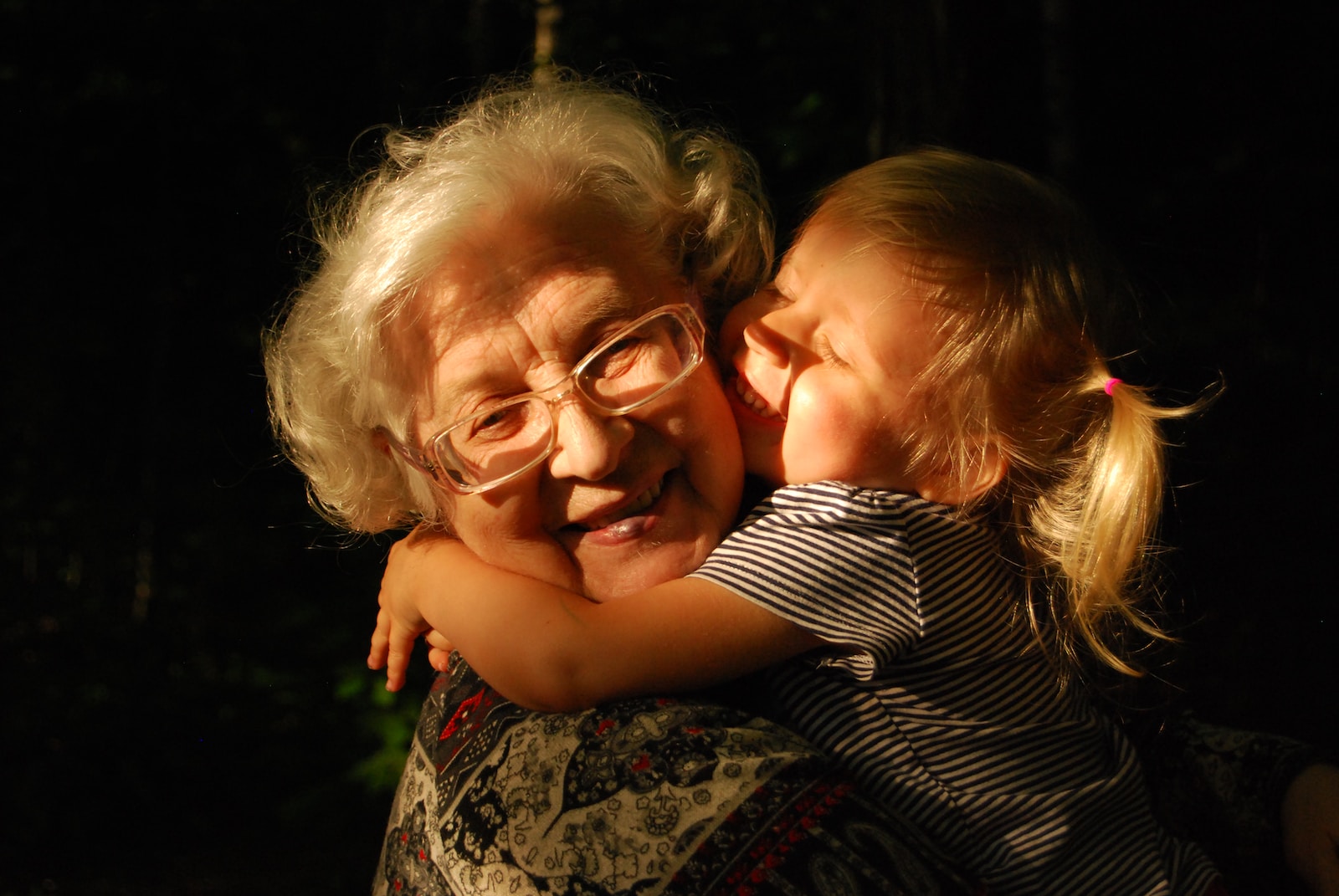
An intriguing study of 120 grandmothers might surprise you. Doctors know socially engaged people have better cognition and less dementia. But can a person get too much of a good thing? What’s the right balance?

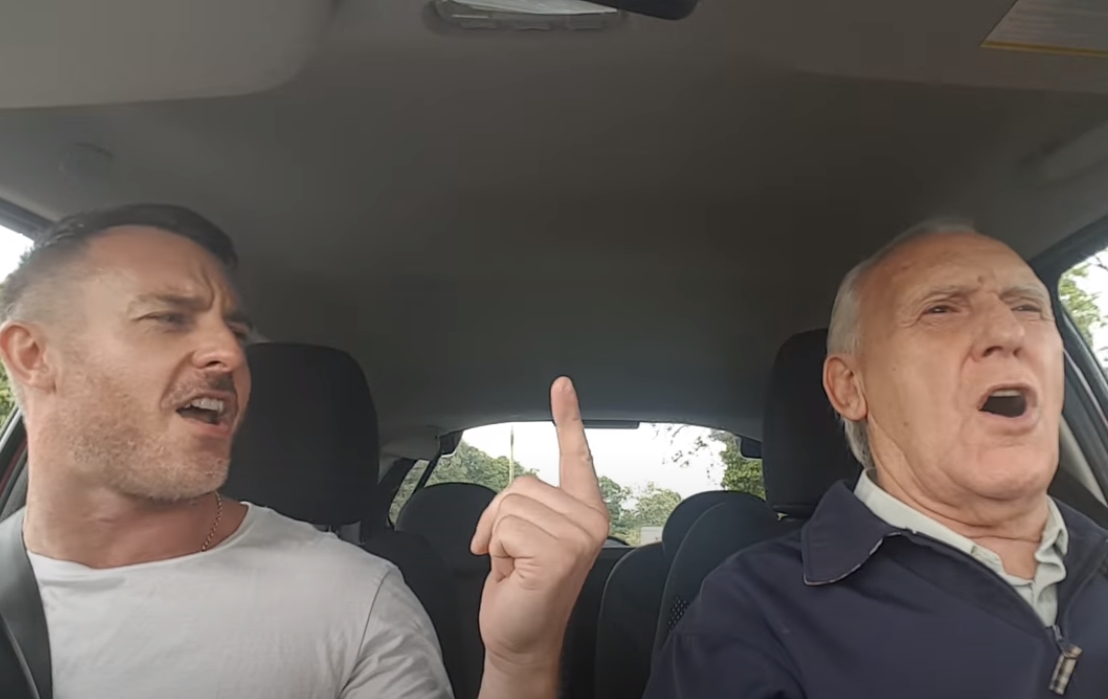
Enjoy this great duet between a musician with dementia and his son. A triumph of spirit over Alzheimer’s! Sing-a-long if you like!

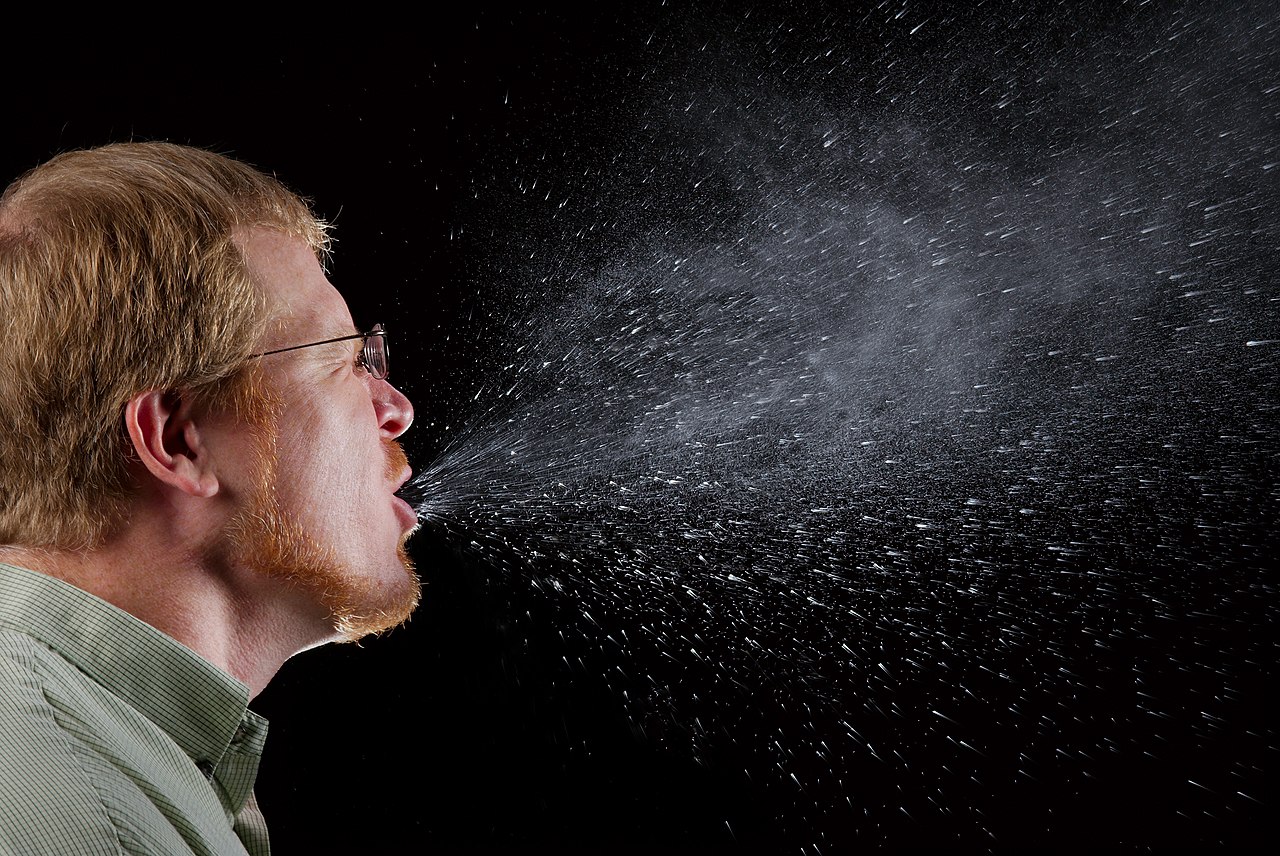
It looks like a sneeze cannot give anyone Alzheimer’s. While Alzheimer’s abnormal disease proteins do spread from cell-to-cell, they are not “infectious”. Check out the facts.

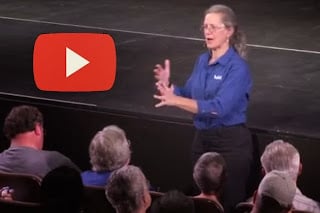
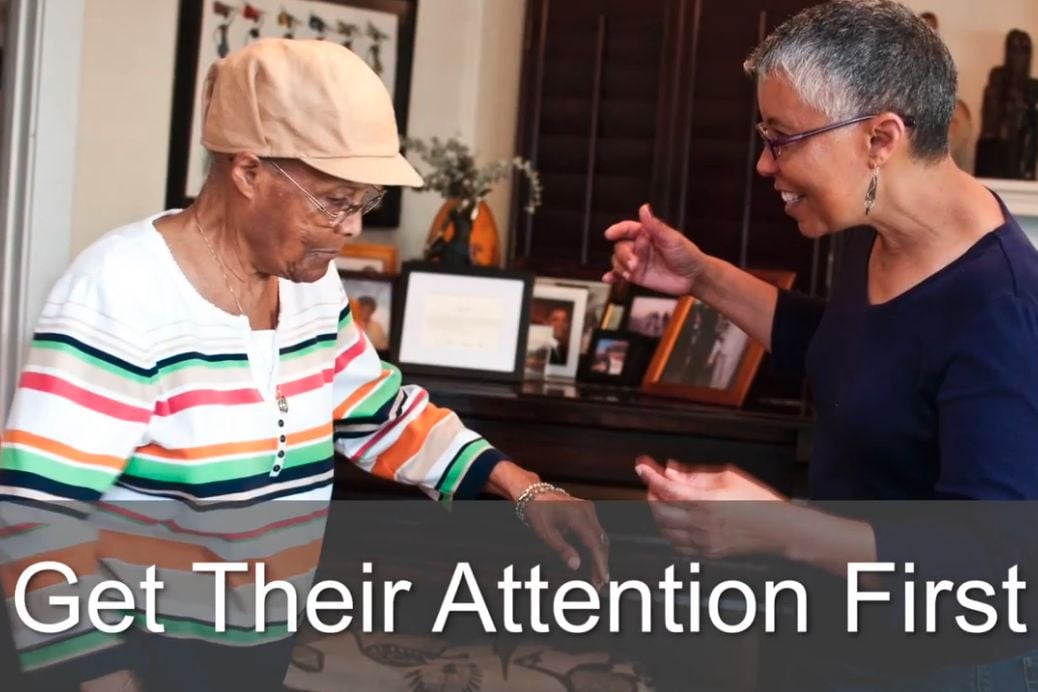
TEEPA CARE VIDEO: Learn about Alzheimer’s 6 stages. Teepa Snow shows what to expect, while keeping the focus on the person for whom you care.
No spam, only news and updates.
We use cookies and similar technologies to improve your experience, understand how our content is used, and support relevant advertising that helps keep Alzheimer’s Weekly free to readers. You can choose to accept, deny, or manage your preferences at any time. Declining certain cookies may affect features such as embedded videos, comments, and personalized advertising.