
131,000 Nurses Drank Coffee. Who Got Less Dementia?
For years, caregivers have heard mixed messages about coffee. But now, one of the largest long-term studies ever conducted on coffee and brain health is offering some encouraging news.
For years, caregivers have heard mixed messages about coffee. But now, one of the largest long-term studies ever conducted on coffee and brain health is offering some encouraging news.

BRAIN-HEALTHY RECIPE: Ring in the New Year in style and moderation with this tantalizing sangria.

The biggest-ever study of genetic and observational data now suggests no safe level of alcohol when it comes to dementia risk. Could even “light drinking” be harmful?

A new pineapple turmeric apple cider vinegar blend from Bragg is turning heads—not just for its flavor, but for its potential brain-boosting benefits. Could this tangy tonic play a role in Alzheimer’s prevention?

Heavy drinkers who have eight or more alcoholic drinks per week have increased risk of brain lesions called hyaline arteriolosclerosis, signs of brain injury that are associated with memory and thinking problems, according to a new study.

CBS NEWS – DIET VIDEO: One artificially-sweetened drink per day could double risk of stroke or dementia. See CBS Dr. Tara Narula discuss the brain-effects of diet drinks, with links to subsequent research reinforcing her claim.

Twenty percent of people over 65 have mild memory and thinking problems that don’t interfere with day-to-day life. Doctors call this MCI, short for Mild Cognitive Impairment. Find out more about what it is and what to do about it.

FREE DOWNLOAD: This booklet is rich with care practices based on research by highly-credentialed investigators.

ALZHEIMER’S & ART – VIDEO: Art helps people with Alzheimer’s enjoy the moment. The “Contemporary Journeys” program shows, it’s a life that can still offer both great joy and meaningful experiences – through the power of art. Kate McDonald of Twin Cities PBS in Minneapolis reports.

Three important dementia studies focus on HS-AGING, a type of dementia almost as common as Alzheimer’s in the 85+ group. Yet few people have heard of it. Why? What makes it different?
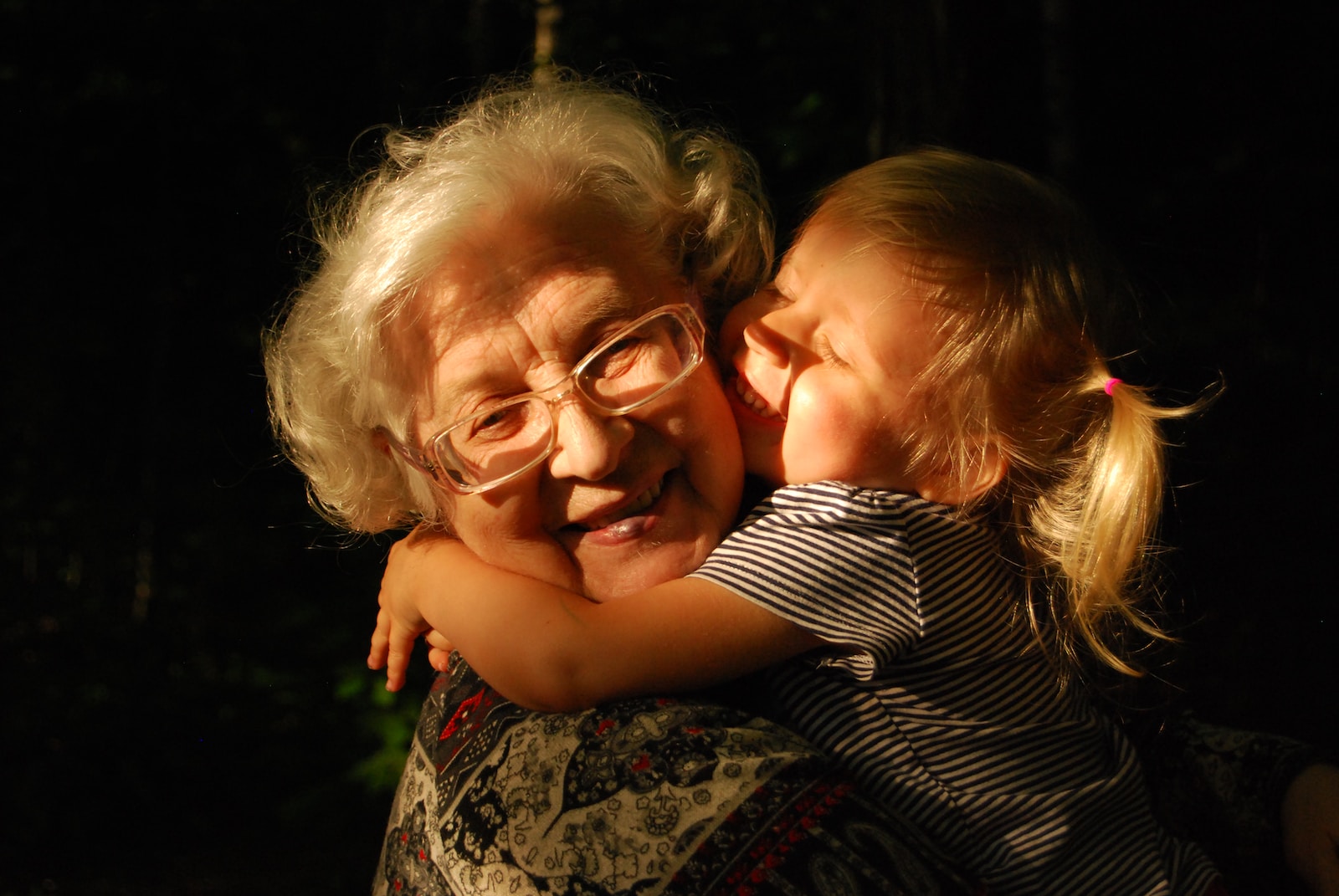
An intriguing study of 120 grandmothers might surprise you. Doctors know socially engaged people have better cognition and less dementia. But can a person get too much of a good thing? What’s the right balance?

Enjoy this great duet between a musician with dementia and his son. A triumph of spirit over Alzheimer’s! Sing-a-long if you like!

It looks like a sneeze cannot give anyone Alzheimer’s. While Alzheimer’s abnormal disease proteins do spread from cell-to-cell, they are not “infectious”. Check out the facts.