Leqembi & Kisunla: Extending Independent Living
A new analysis of the benefits of these Alzheimer’s treatments scores the days and ways patients succeed in living independently.

A new analysis of the benefits of these Alzheimer’s treatments scores the days and ways patients succeed in living independently.

WashU Medicine-led trial evaluating investigational drug from Eli Lilly and Company aims to stop disease before symptoms arise

A natural mineral called “selenium” may improve learning and memory, and even possibly reverse memory loss in aging brains, according to a study in Australia.

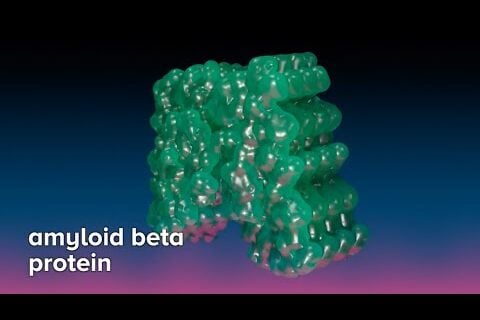
CNN VIDEO: An Alzheimer’s brain comes with two culprits: tangles of tau protein and plaque made of amyloid. Yesterday’s research focused on getting rid of amyloid. See how today’s new, cutting edge research is targeting tau, too.

Ketones are a backup source of energy for neurons. Now, exciting research reveals bigger news: Ketone esters help clear misfolded proteins in animal models of aging and Alzheimer’s.

VIDEO + ARTICLE: Even in dementia, the power of music speaks to our souls. Watch how this power made a news anchor cry. Learn about new research that shows this to be always true.

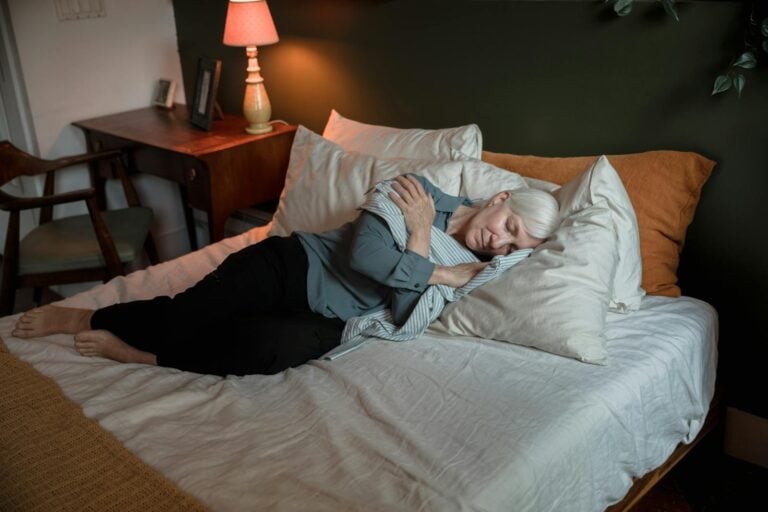
Does lack of sleep lead to Alzheimer’s? Sleep scientist Matt Walker explains the relationship between the two. See how researchers want to use sleep to decrease our chances of developing this condition.

In an Alzheimer’s study, insulin delivered high up in the nasal cavity achieved lasting results in improving memory. Find out why Dr. W. Banks calls this “one of those studies where everything is coming together.”

Why are some of the new anti-Alzheimer’s antibodies better than others? With the FDA’s approval of Lecanemab and Donanemab, it’s worth staying on top of this topic’s latest research.

New Alzheimer’s drugs clear brain plaque made of amyloid-beta. 9 years ago, researchers discovered another Alzheimer’s culprit called amyloid-ETA. Now, they’ve possibly figured out how it works. Learn how balancing these two suspects may hold the key to success in current clinical trials.

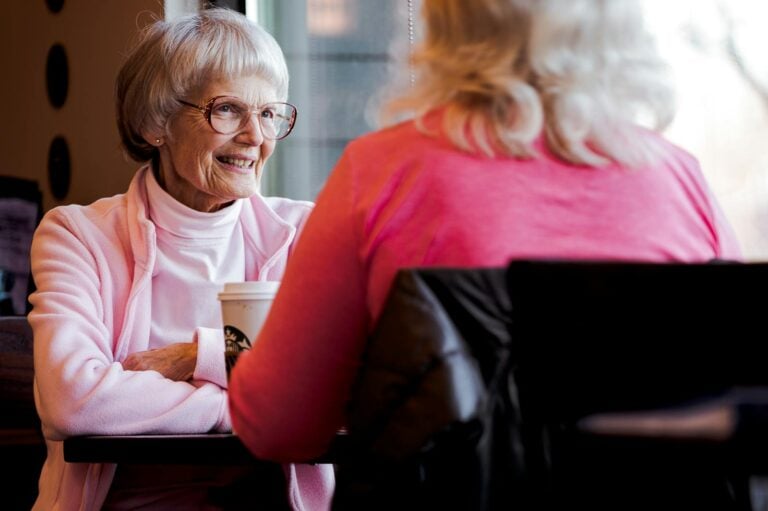
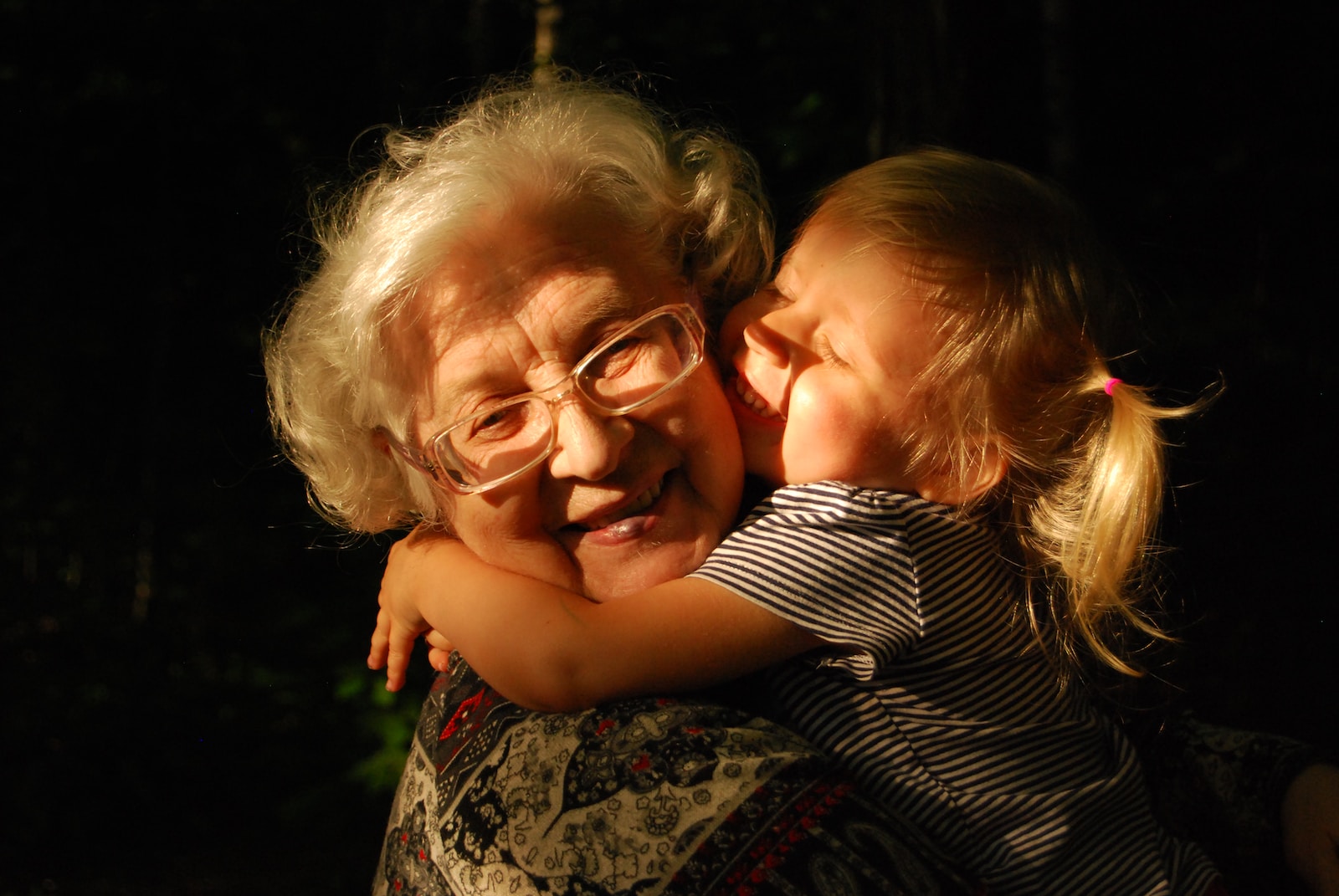
An intriguing study of 120 grandmothers might surprise you. Doctors know socially engaged people have better cognition and less dementia. But can a person get too much of a good thing? What’s the right balance?

Enjoy this great duet between a musician with dementia and his son. A triumph of spirit over Alzheimer’s! Sing-a-long if you like!

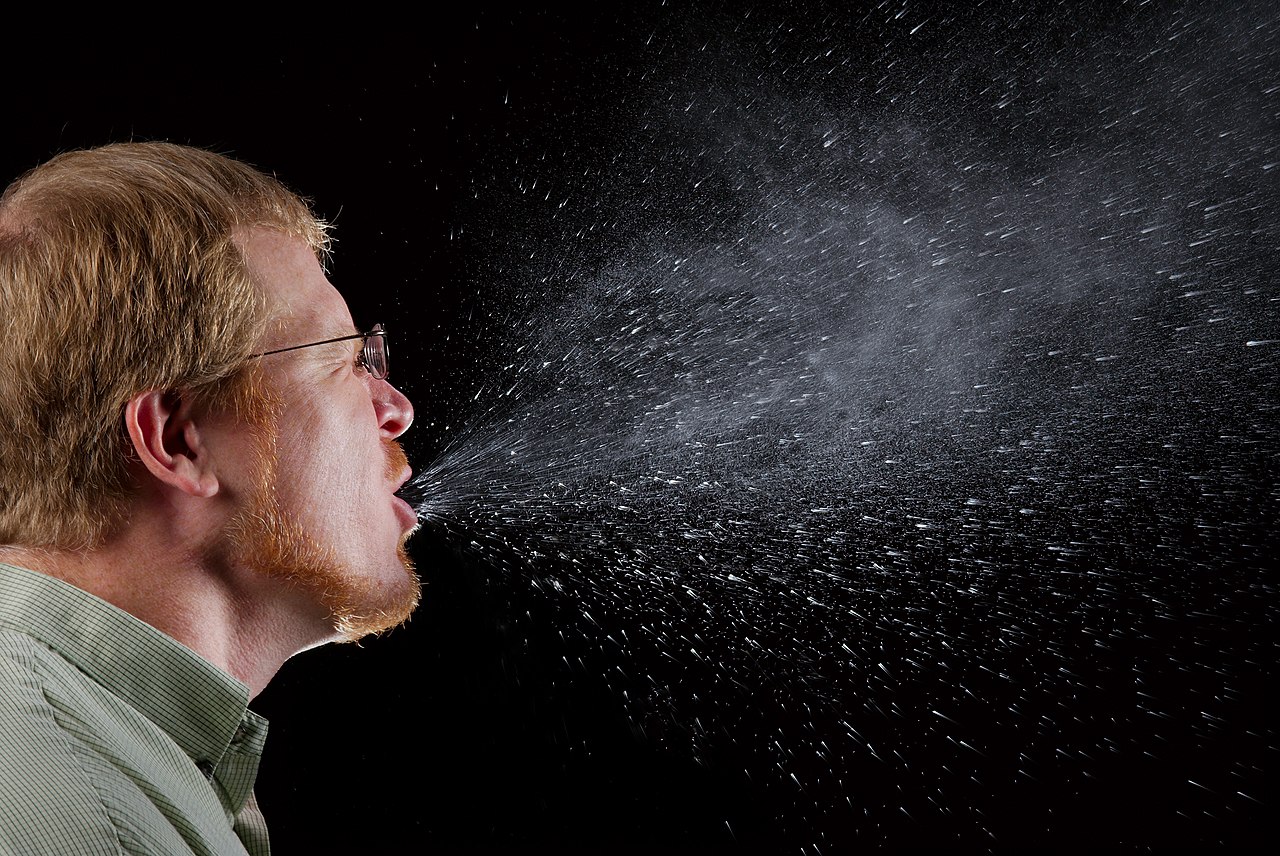
It looks like a sneeze cannot give anyone Alzheimer’s. While Alzheimer’s abnormal disease proteins do spread from cell-to-cell, they are not “infectious”. Check out the facts.

TEEPA CARE VIDEO: Learn about Alzheimer’s 6 stages. Teepa Snow shows what to expect, while keeping the focus on the person for whom you care.
No spam, only news and updates.


We use cookies and similar technologies to improve your experience, understand how our content is used, and support relevant advertising that helps keep Alzheimer’s Weekly free to readers. You can choose to accept, deny, or manage your preferences at any time. Declining certain cookies may affect features such as embedded videos, comments, and personalized advertising.