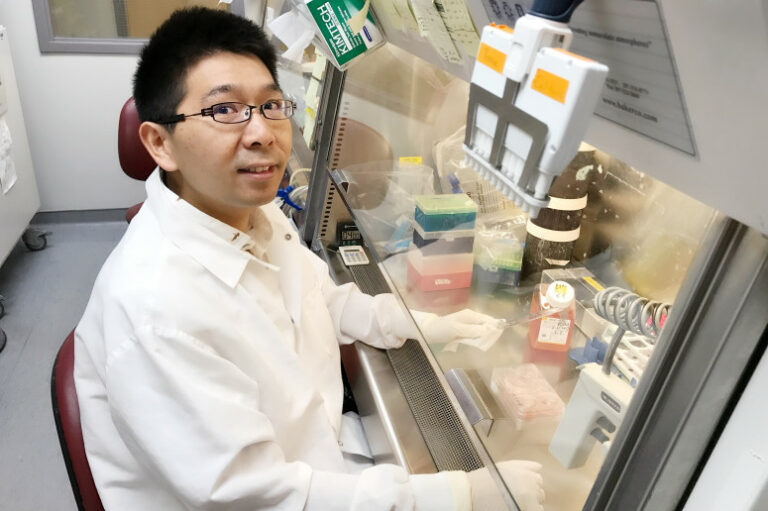
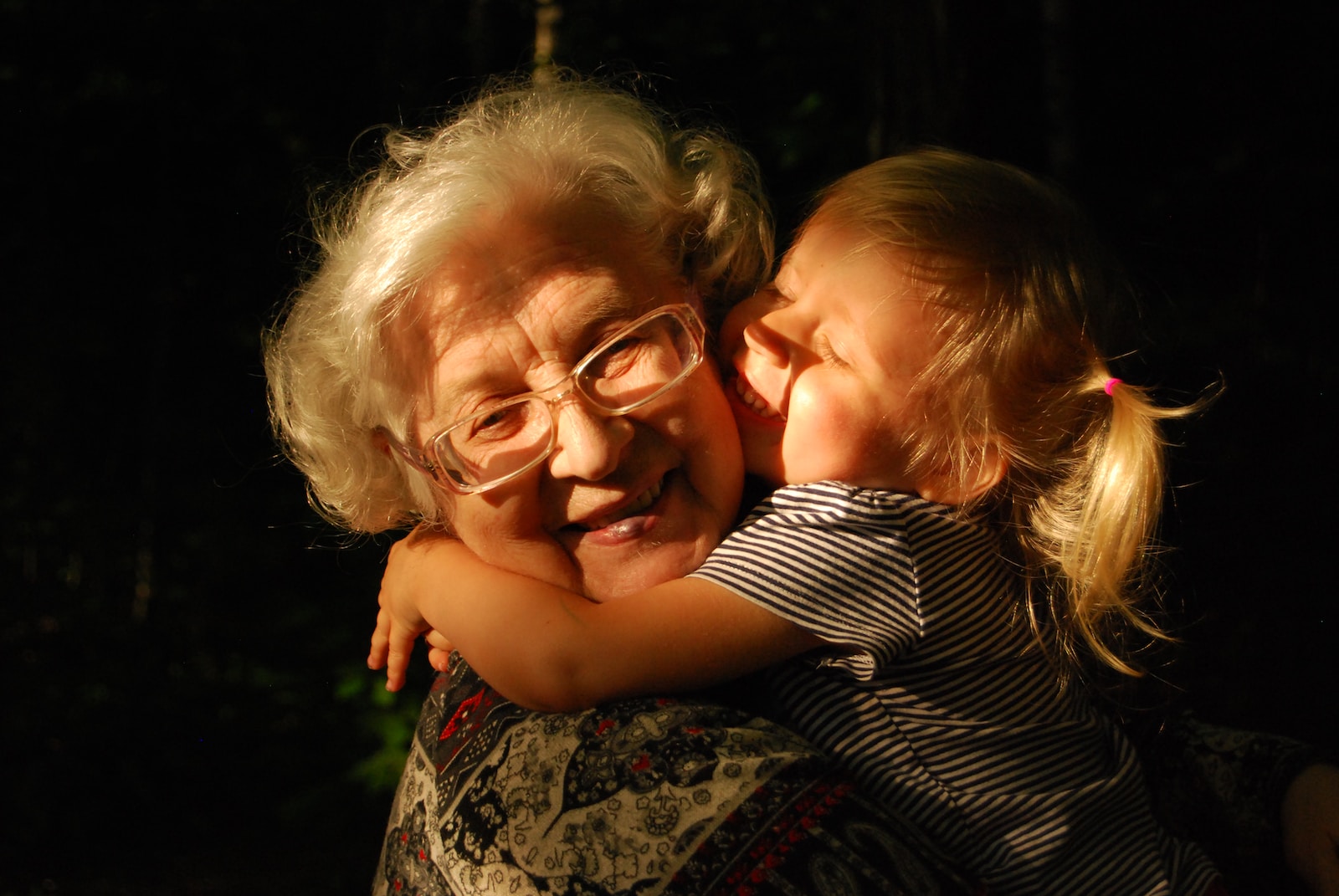
‘Super-Agers’ Lead World’s Biggest Dementia Study
In the hunt to cure dementia, a special elderly group seem to hold the key.

In the hunt to cure dementia, a special elderly group seem to hold the key.

Our change in diet has been proposed as being the underlying reason for the dramatic increase in the prevalence of Type II diabetes that we are observing worldwide in our time. What’s that doing to our brains?

A preclinical study finds that a natural component in basil reduces neurotoxicity in the Alzheimer’s brain. Learn more.

60 Minutes checks in on the groundbreaking “90+ Study”. Lesley Stahl revisited the participants, aged 90+, whom she first met in 2014., See the latest on leading longer, healthier lives, with special focus on memory and dementia.

A new study from researchers at University of California San Diego School of Medicine has shown in mice that it is possible to correct the circadian disruptions seen in Alzheimer’s disease with time-restricted feeding.

In a span of 40 years, why did average brain size increase and dementia rates drop? A new UC-Davis study explores environmental factors behind this silent revolution.

Galantamine treats Alzheimer’s. Artificial intelligence and biosensors may pave the way to make this drug faster and cheaper.

A long, long time ago (1930), brains were smaller. Are today’s bigger brains connected to improvements in rates of dementia?

Trontinemab is a very exciting experimental drug, showing great promise in rapidly clearing Alzheimer’s amyloid plaques from the brains of affected individuals, with remarkably little side effects.

The first 3D-printed brain tissue that can grow and function like typical brain tissue is a major breakthrough for scientists in search of an Alzheimer’s cure.

Can something as simple as a good night’s sleep help prevent and even slow down Alzheimer’s?

Eligible patients can now begin Leqembi treatment at home, potentially reducing repeated infusion-center visits while preserving essential medical supervision and safety monitoring.

Watch the huge “Giving Voice Chorus” come alive and rise above Alzheimer’s. Get inspired by the music that Alzheimer’s can’t shake.

Three important dementia studies focus on HS-AGING, a type of dementia almost as common as Alzheimer’s in the 85+ group. Yet few people have heard of it. Why? What makes it different?

An intriguing study of 120 grandmothers might surprise you. Doctors know socially engaged people have better cognition and less dementia. But can a person get too much of a good thing? What’s the right balance?

Enjoy this great duet between a musician with dementia and his son. A triumph of spirit over Alzheimer’s! Sing-a-long if you like!

It looks like a sneeze cannot give anyone Alzheimer’s. While Alzheimer’s abnormal disease proteins do spread from cell-to-cell, they are not “infectious”. Check out the facts.
No spam, only news and updates.


We use cookies and similar technologies to improve your experience, understand how our content is used, and support relevant advertising that helps keep Alzheimer’s Weekly free to readers. You can choose to accept, deny, or manage your preferences at any time. Declining certain cookies may affect features such as embedded videos, comments, and personalized advertising.