“Familiar Faces” Dementia Test
See how this Alzheimer’s-test from Northwestern University uses celebrity faces to detect dementia. Find out how well it works.
See how this Alzheimer’s-test from Northwestern University uses celebrity faces to detect dementia. Find out how well it works.

Fat, middle aged people are 3.6 times as likely to develop memory loss and dementia. See the research that reveals why.

“Do You Know What My Name Is?” produced by Sendai Television Inc., depicts an emotional real life drama of how a “dementia improvement program” was implemented in Ohio.

The movie “I’LL BE ME” tells the story of music legend Glen Campbell. His life, his music and the extraordinary 151-city “Goodbye Tour” de force that’s made him a hero.

See how a pioneer ‘buddy’ program at Northwestern University pairs medical students with Alzheimer’s patients. Watch now.

People with Parkinson’s were given the oral drug rivastigmine (brand name Exelon®). They were 45% less likely to fall and were considerably steadier when walking. Learn more about this dementia drug and fall prevention.

80% of Lewy Body dementia cases are initially misdiagnosed as Alzheimer’s or some other disorder. Until recently, it could take a year or more to correct that. Learn how GE’s “DaTSCAN” scanning technology is quickly changing all that.

Striking out or shouting while asleep, called RBD, may be a very early warning of Lewy Body dementia. Learn what to look for and what to do about it.
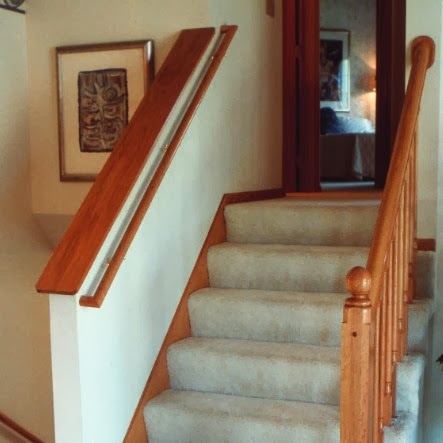
Falls are a preventable threat to the independence and health of those living with dementia. Arm yourself with the following fall prevention tips. Learn how you can reduce the risk of falls.

In 7,000 people with Alzheimer’s, those taking high doses of common Alzheimer’s drugs saw their rate of heart attacks drop in half. Find out more about these medications.
Don’t put that controller down just yet. Playing three-dimensional video games – besides being lots of fun – can boost the formation of memories, according to University of California neurobiologists.
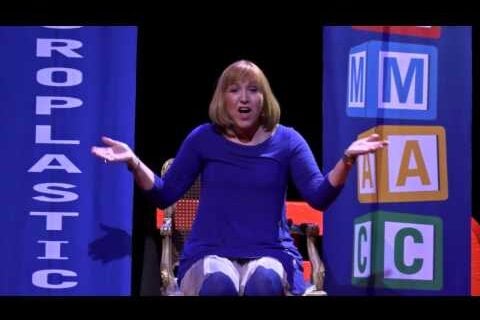
Denise Medved is the founder and creator of a program that takes Alzheimer’s patients through vigorous, spirited exercise routines. She calls her program, “Ageless Grace”.

A fascinating study in Europe finds that individuals who felt they had memory problems did in fact have measurable cognitive deficits. Scientists analyzed the spinal fluid to measure the levels of biomarkers associated with Alzheimer’s.
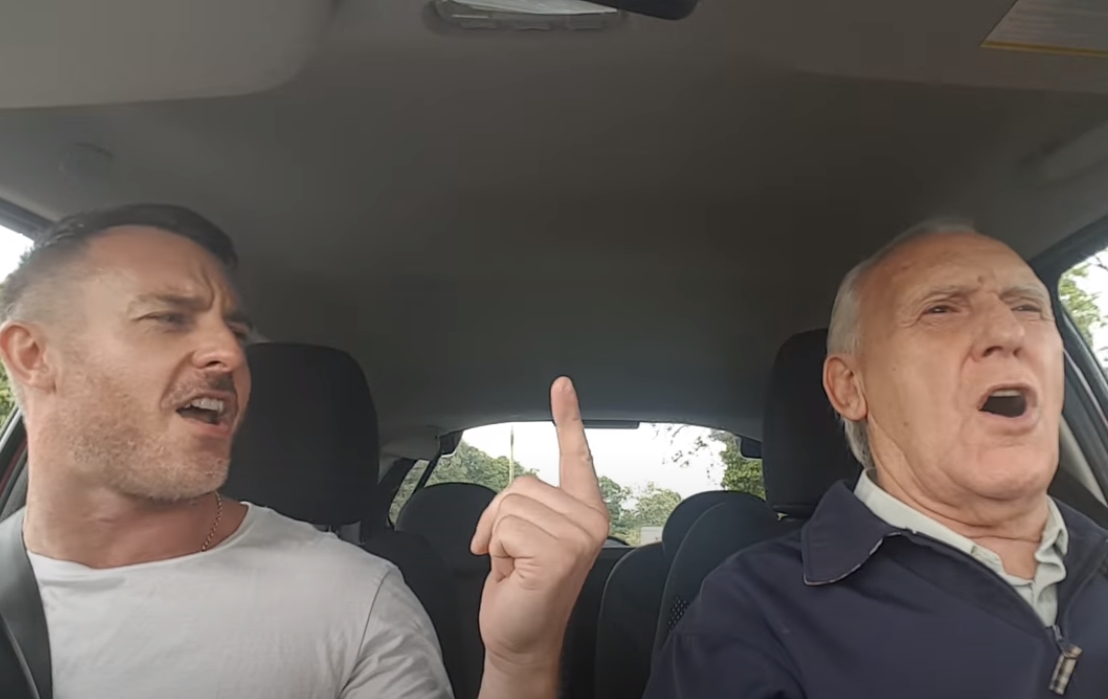
Enjoy this great duet between a musician with dementia and his son. A triumph of spirit over Alzheimer’s! Sing-a-long if you like!
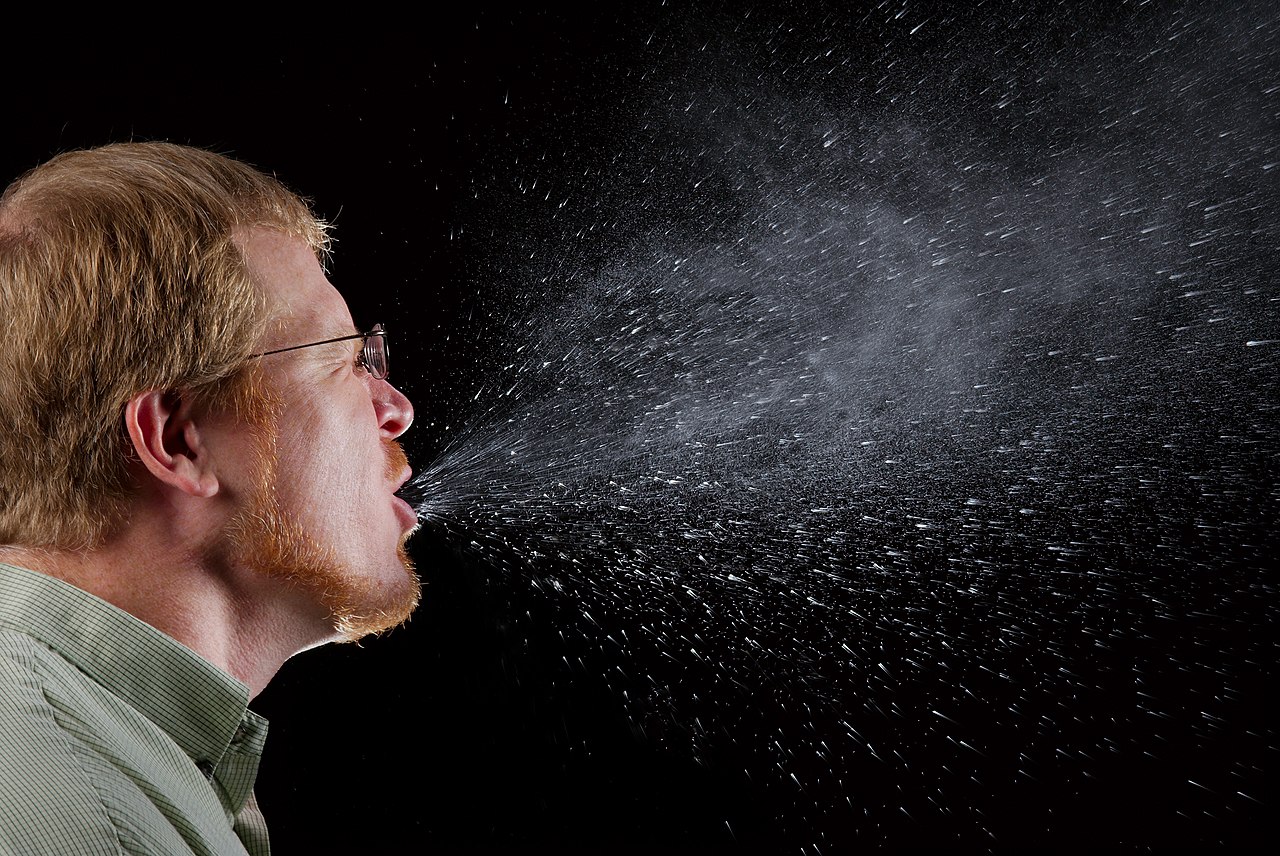
It looks like a sneeze cannot give anyone Alzheimer’s. While Alzheimer’s abnormal disease proteins do spread from cell-to-cell, they are not “infectious”. Check out the facts.

TEEPA CARE VIDEO: Learn about Alzheimer’s 6 stages. Teepa Snow shows what to expect, while keeping the focus on the person for whom you care.

Melvyn Amrine may not have remembered the details of his life since his Alzheimer’s diagnosis, but he sure proved that his love for his wife transcended memory.