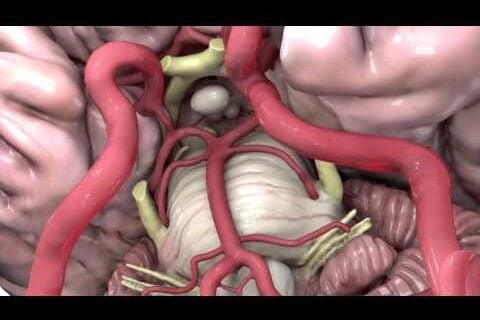
Quest Blood Test Available for Alzheimer’s
A Quest Diagnostics amyloid beta blood test helps determine the Alzheimer’s risk for people with signs of mild cognitive impairment or dementia.
A Quest Diagnostics amyloid beta blood test helps determine the Alzheimer’s risk for people with signs of mild cognitive impairment or dementia.
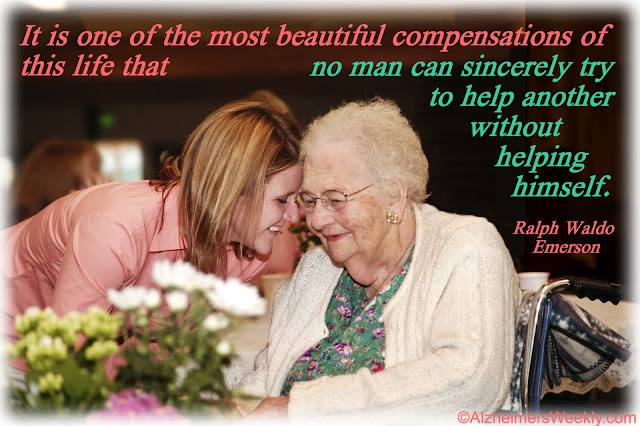
It is one of the most beautiful Compensations of this life thatNo man can sincerely try to help anotherWithout helping himself.

What are the early symptoms of Alzheimer’s? When to get a professional evaluation.

SHORT-TERM MEMORY lapses are obvious signs of Alzheimer’s, but other tell-tale signals begin to show much earlier. Learn how to look for semantic impairments, such as simple questions about size.

What to ask and expect when going for a memory, Alzheimer’s or dementia diagnosis.

WHEN DIAGNOSING DEMENTIA, NEUROLOGISTS KNOW that nothing is as important as spending time face-to-face. Understanding symptoms and clinical clues in exams are the critical aspects of neurology. Learn how America’s healthcare system holds up to this standard.
Alzheimer’s can cause difficulty falling asleep, staying asleep and awakening too early. These often lead to nighttime confusion and wandering. Doctors think they know why.
Beta-amyloid and tau proteins have long been considered the culprits behind Alzheimer’s. Yet many people have plenty of amyloid and tau protein, but no Alzheimer’s. Is TDP-43 the reason why?

There are myriad technologies that can be helpful in making life easier for people with dementia. Learn more.

85-year-old Betty Wallwork was diagnosed with Alzheimer’s. But it wasn’t true. Find out why.

Where words fail, music speaks. See how music can be a very powerful vehicle for communication in the various stages of dementia.

VIDEO RECIPE + RESEARCH: Enjoy a brain-boost along with great flavor. This Mediterranean-Diet plate is loaded with neuroprotective turmeric & cumin. With delicious brain-nutrients from coconut or olive oil, the flavor is exotic yet close-to-home!

VIDEO & ARTICLE: 500,000 family and professional caregivers have experienced The Virtual Dementia Tour®. It simulates Alzheimer’s for caregivers. It boosts their level of care and motivation. See how it works.

Three important dementia studies focus on HS-AGING, a type of dementia almost as common as Alzheimer’s in the 85+ group. Yet few people have heard of it. Why? What makes it different?
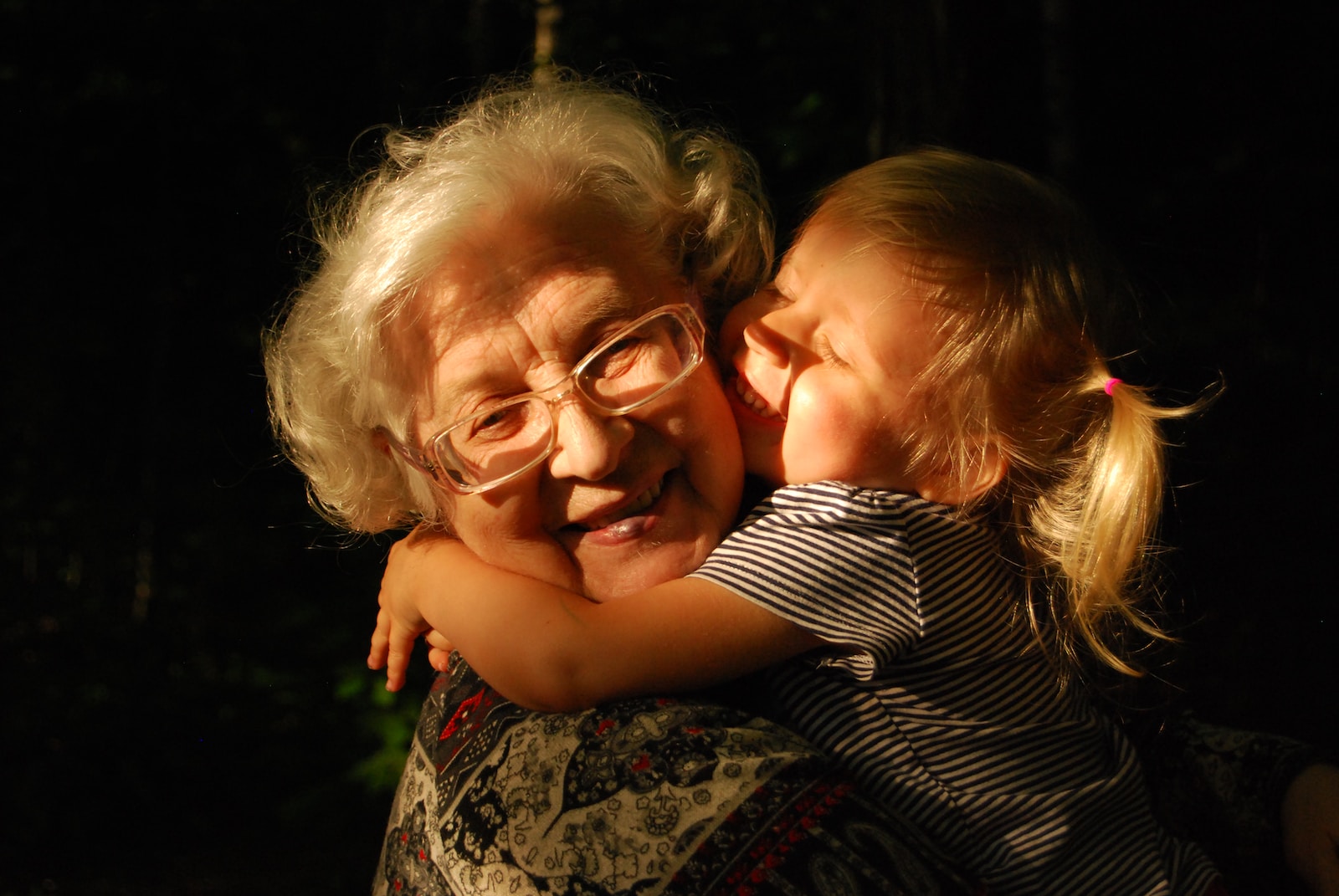
An intriguing study of 120 grandmothers might surprise you. Doctors know socially engaged people have better cognition and less dementia. But can a person get too much of a good thing? What’s the right balance?

Enjoy this great duet between a musician with dementia and his son. A triumph of spirit over Alzheimer’s! Sing-a-long if you like!

It looks like a sneeze cannot give anyone Alzheimer’s. While Alzheimer’s abnormal disease proteins do spread from cell-to-cell, they are not “infectious”. Check out the facts.