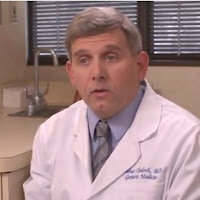
How a Doctor Should Explain an Alzheimer’s Diagnosis
An Alzheimer’s diagnosis is hard to get and hard to give. Watch Doctor Chodosh approach this difficult challenge with skilled experience and deep compassion.
An Alzheimer’s diagnosis is hard to get and hard to give. Watch Doctor Chodosh approach this difficult challenge with skilled experience and deep compassion.

The AlzoSure® Blood Test can catch Alzheimer’s two years before symptoms appear. Its development could not be more timely. With FDA approval of lecanemab for Alzheimer’s, this accurate and economical screening tool will dramatically assist patients most likely to benefit from early treatment.
See Georgia Tech’s simple-to-use computer program that allows adults to screen themselves for
early signs of dementia.

DIAGNOSIS: EMERGENCY ROOM DOCTORS commonly miss strokes, a leading cause of vascular dementia. This is especially true among women, minorities and younger patients. Learn how

DIAGNOSIS: Many seniors know their memory and thinking abilities have gone downhill. They also know Medicare offers free cognitive tests. Yet 50% of these seniors

VIDEO + ARTICLE: The -C₂N Diagnostics firm is marking the two-year anniversary of being the first to ffer its widely accessible blood test for Alzheimer’s.

TEDx TALKS – VIDEO: Harvard developed Tau Scan technology to fight Alzheimer’s. Dr. Bernard Hanseeuw quit his clinical practice to join them, to help advance

VIDEO + ARTICLE: Using technology similar to that in an eye doctors’ office, doctors have been developing an eye exam to pre-test for Alzheimer’s.

VIDEO: Here’s a colorful, animated video that shows how Alzheimer’s changes the brain, even years before it can be detected. Watch now.

DIAGNOSIS NEWS: Researchers have found a novel form of the Alzheimer’s protein tau in the fluid surrounding the brain and spinal cord. This form of

BETTER MOOD: In dementia, the brain loses abilities. This changes personality and behavior. Use this tip sheet’s suggestions to better understand, cope and manage the changes.

Easy golfing is great for people with dementia. It offers opportunities to socialize and be active, without memory or athletic constraints. See how one club integrated golf into the routine of a family living with dementia. Learn about an easy-to-set-up indoor/outdoor home golfing kit.

HOME DESIGN: Use this safety checklist for living at home with dementia. It can alert you to potential hazards.

Three important dementia studies focus on HS-AGING, a type of dementia almost as common as Alzheimer’s in the 85+ group. Yet few people have heard of it. Why? What makes it different?
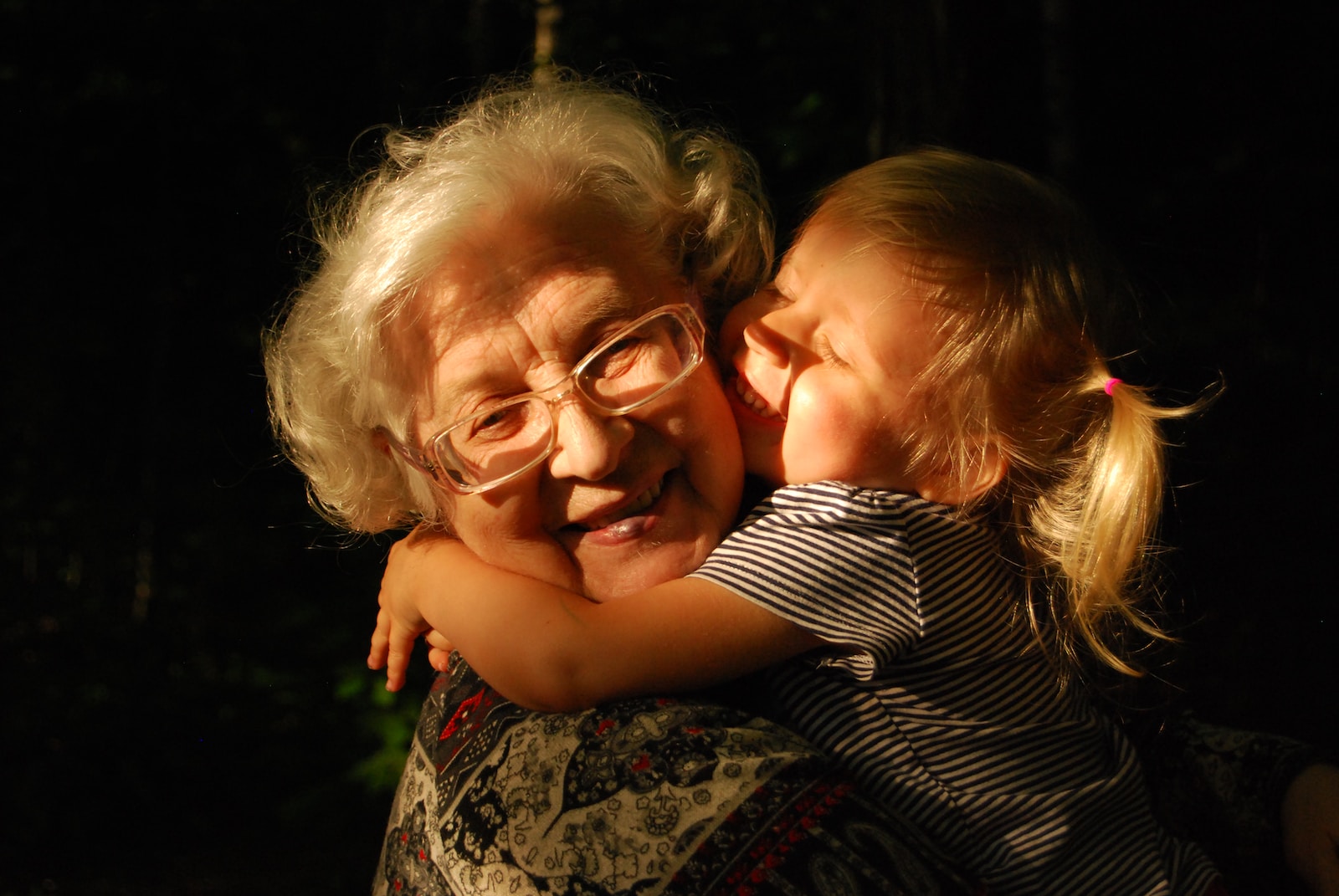
An intriguing study of 120 grandmothers might surprise you. Doctors know socially engaged people have better cognition and less dementia. But can a person get too much of a good thing? What’s the right balance?

Enjoy this great duet between a musician with dementia and his son. A triumph of spirit over Alzheimer’s! Sing-a-long if you like!

It looks like a sneeze cannot give anyone Alzheimer’s. While Alzheimer’s abnormal disease proteins do spread from cell-to-cell, they are not “infectious”. Check out the facts.