Avoid a Costly Crisis with Dementia Screens
Older adults who screen proactively are likely to pay less than those who receive a diagnosis of Alzheimer’s during a health crisis. Learn more.
Older adults who screen proactively are likely to pay less than those who receive a diagnosis of Alzheimer’s during a health crisis. Learn more.

PROFESSIONALS – VIDEO: Doctors, nurses and caregivers must work together to diagnose Alzheimer’s. There simply is no one-stop test. Even after considering signs and symptoms,
DIAGNOSIS RESEARCH – VIDEO & ARTICLE: A simple experimental blood test reliably detects signs of brain damage in people on the path to developing Alzheimer’s
HEAR BILL GATES on why he funds the Alzheimer’s Diagnostics Accelerator. His goal? Earlier and better diagnosis of Alzheimer’s. The $30 million venture philanthropic fund

DIAGNOSING DEMENTIA: Quick tests to diagnose or screen dementia may often be wrong. The tests, called “Brief Cognitive Assessments”, help doctors, but sometimes hurt patients
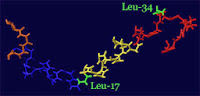
VIDEO + ARTICLE: The Stable Isotope Labeling Kinetics (SILK™) blood test is a recent technology that sees Alzheimer’s years before signs appear. It can open

VIDEO + ARTICLE: FDA approval of a new dementia test has taken Alzheimer’s detection a giant step forward. Called “Cantab Mobile“, the test is a
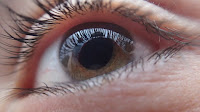
HEALTH RESEARCH VIDEO + ARTICLE: Can a retinal-scan at an early age predict future development of Alzheimer’s? Can you use that prediction to lessen your

BOOK OF THE WEEK: Explores different types of dementia, tips on alternative types of care, caregiver stresses, how testing is done, legal problems, and creative

Can a flickering light predict dementia, diagnose it and measure its progress? University of Georgia researchers think it can. Patients watch a flickering light that

HEALTH VIDEO (TED TALK): What keeps brains healthy and minds happy? Dr. Robert Waldinger is directing a rare study, in its 75th year, to find out. Watch him share 3 lessons learned. See good science verify practical wisdom on healthy living.

PREVENTION VIDEOS: Learn secrets to grow old gracefully, with little dementia, from centenarians on the Greek island of Ikaria.

RECIPE: “Brain foods” are neuroprotective, fighting Alzheimer’s by lowering risk and helping to resist cognitive decline. This flavorful dish combines 4 of the best “brain foods”: fish, coconut oil, curry and fenugreek. Enjoy its Indian flair.

Three important dementia studies focus on HS-AGING, a type of dementia almost as common as Alzheimer’s in the 85+ group. Yet few people have heard of it. Why? What makes it different?
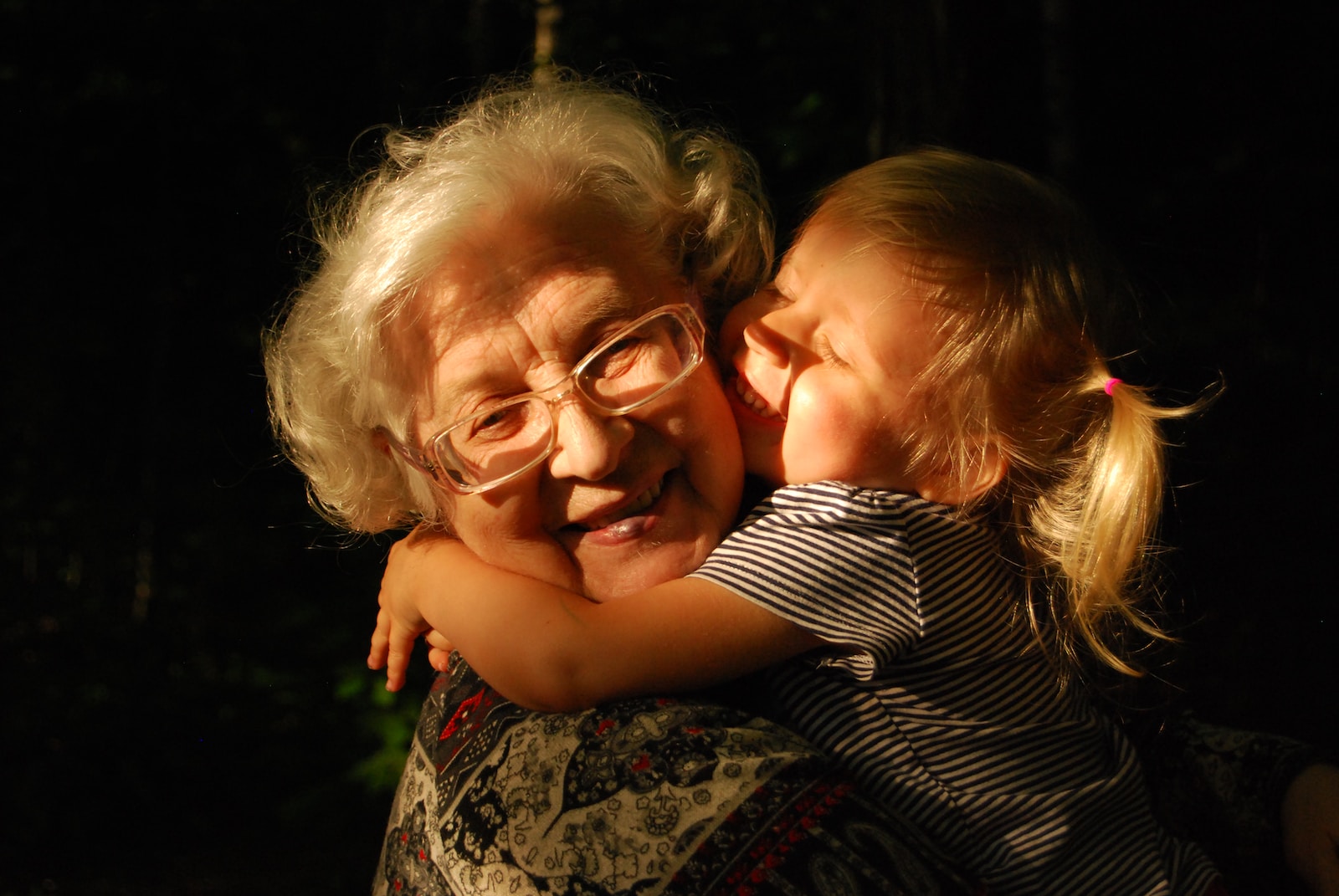
An intriguing study of 120 grandmothers might surprise you. Doctors know socially engaged people have better cognition and less dementia. But can a person get too much of a good thing? What’s the right balance?

Enjoy this great duet between a musician with dementia and his son. A triumph of spirit over Alzheimer’s! Sing-a-long if you like!

It looks like a sneeze cannot give anyone Alzheimer’s. While Alzheimer’s abnormal disease proteins do spread from cell-to-cell, they are not “infectious”. Check out the facts.