At War With Alzheimer’s: Testing 126 New Drugs
126 DRUGS ARE IN ALZHEIMER’S clinical trials. “Every single one represents hope,” according to Closing in on a Cure: Alzheimer’s Clinical Trials Report. Read the
126 DRUGS ARE IN ALZHEIMER’S clinical trials. “Every single one represents hope,” according to Closing in on a Cure: Alzheimer’s Clinical Trials Report. Read the

In the lab, fujimycin slowed Alzheimer’s. (Fujimycin is an organ-transplant drug also called FK506 or Tacrolimus.) In past studies, similar drugs, like rapamycin and ciclosporin,
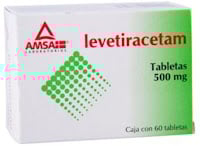
DRUG RESEARCH VIDEO + ARTICLE: This FDA-approved anti-epileptic medication benefits Alzheimer’s in the lab. Learn about the promising research.

Geneticists have discovered a promising direction in Huntington’s treatment. In the lab, glutathione peroxidase improved Huntington’s disease. Drugs mimicking this activity are already approved for

MEDICATION & TREATMENT VIDEO: Agitation is one of the most common symptoms of Alzheimer’s. See why citalopram may be effective in alleviating Alzheimer’s agitation and

MEDICATION: New insights in using Alzheimer’s drugs for other memory problems shows why these medications are no simple memory patch.

REVIEW – PROGRESS THROUGH RESEARCH – VIDEO & ARTICLE: Alzheimer’s may be triggered by brain immune-system imbalances. Learn the way Duke University researchers want to
MEDICATION & MOOD: Aggression and agitation are hard challenges in dementia. An important study may offer some simple answers.

OFF-LABEL DRUGS, VIDEO & ARTICLE: The American Heart Association reports the blood pressure drug nilvadipine increases blood flow to the brain’s memory and learning center.
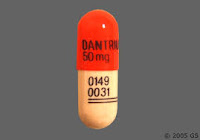
In a first-of-its-kind study, FDA-Approved Dantrolene, a muscle relaxant, was delivered through the nose to Alzheimer’s lab animals. It eased their Alzheimer’s by providing therapeutic

VIDEO + ARTICLE: After studying 2,000 people, learn why researchers were surprised to find that allowing ourselves to ‘feel lonely’, and NOT ‘being alone’, was associated with getting dementia. See how feeling connected keeps your brain cells connected, too.

DIET RESEARCH: Learn how diet, exercise and watching your weight will prevent insulin-resistance, and as a result, protect your brain.
Memory is particularly vulnerable to the effects of insulin resistance, according to a 20-year study.

See joy shine in Mum, 87, despite Alzheimer’s, as her family transforms their home into Mum’s supermarket, stocked with grocery favorites.

Three important dementia studies focus on HS-AGING, a type of dementia almost as common as Alzheimer’s in the 85+ group. Yet few people have heard of it. Why? What makes it different?

An intriguing study of 120 grandmothers might surprise you. Doctors know socially engaged people have better cognition and less dementia. But can a person get too much of a good thing? What’s the right balance?

Enjoy this great duet between a musician with dementia and his son. A triumph of spirit over Alzheimer’s! Sing-a-long if you like!

It looks like a sneeze cannot give anyone Alzheimer’s. While Alzheimer’s abnormal disease proteins do spread from cell-to-cell, they are not “infectious”. Check out the facts.