Links Found Between Viruses and Alzheimer’s Risk
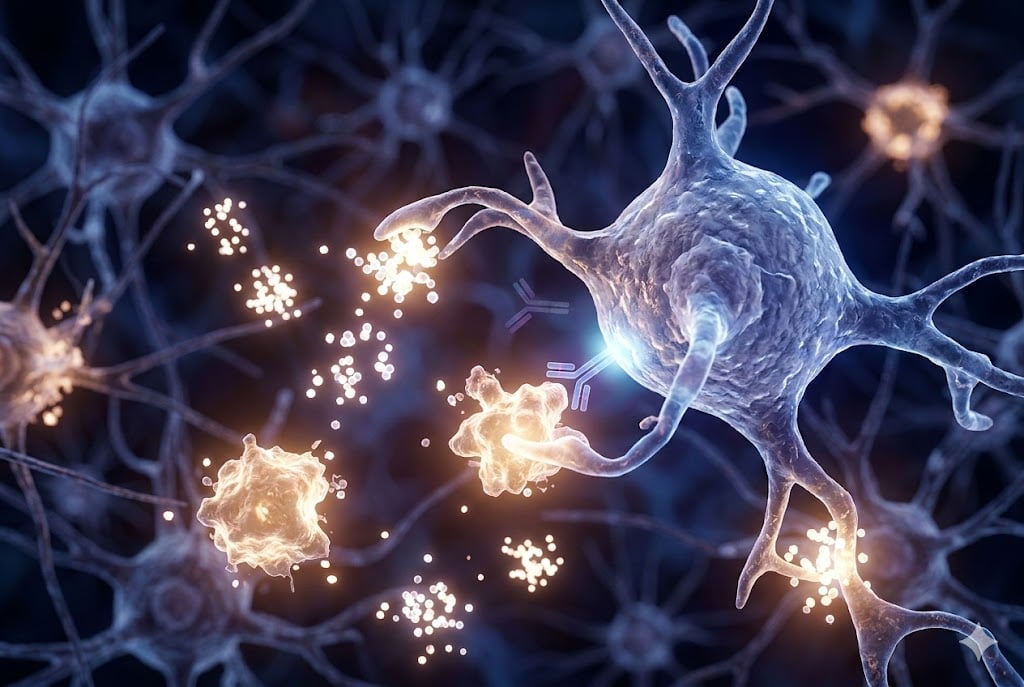
Researchers have found links between certain viral illnesses — like the flu — and the risk of Alzheimer’s. Learn more.
Researchers have found links between certain viral illnesses — like the flu — and the risk of Alzheimer’s. Learn more.

Statins certainly seem to lower the risk of Alzheimer’s. On the other hand, they can sometimes cause temporary memory loss, which does go away if one stops the statins. Find out what you need to know to strike the right balance.

Fat, middle aged people are 3.6 times as likely to develop memory loss and dementia. See the research that reveals why.

Patients are leaving ICUs (Intensive Care Units) with deficits similar to mild Alzheimer’s disease that persist for a year. See the research and learn about the risks.

IDPs, a form of antioxidant contained in meat, are effective in relieving fatigue and preventing dementia. Learn more.

Striking out or shouting while asleep, called RBD, may be a very early warning of Lewy Body dementia. Learn what to look for and what to do about it.
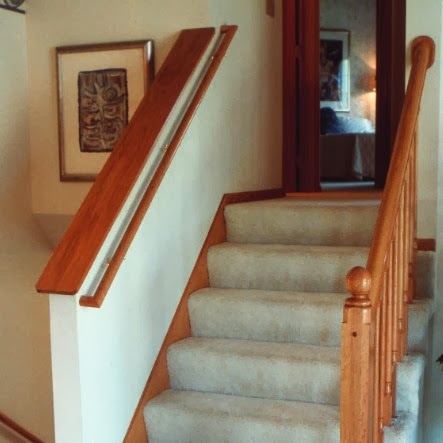
Falls are a preventable threat to the independence and health of those living with dementia. Arm yourself with the following fall prevention tips. Learn how you can reduce the risk of falls.

Estrogen showed a protective effect in women carrying the ApoE4 gene. ApoE4 puts people at substantially increased risk for Alzheimer’s. Learn when and how estrogen may protect you.

How many years does the pollution in your area add to the “age” of your brain?

Older adults who took a daily multivitamin showed higher scores in global cognition, memory and executive function, researchers found.

SLEEP VIDEO & ARTICLE: Sound stimulation can improve sleep and memory for people with pre-dementia. This study used easy-to-buy “pink noise” machines. See how simple sleep therapy makes a real difference.
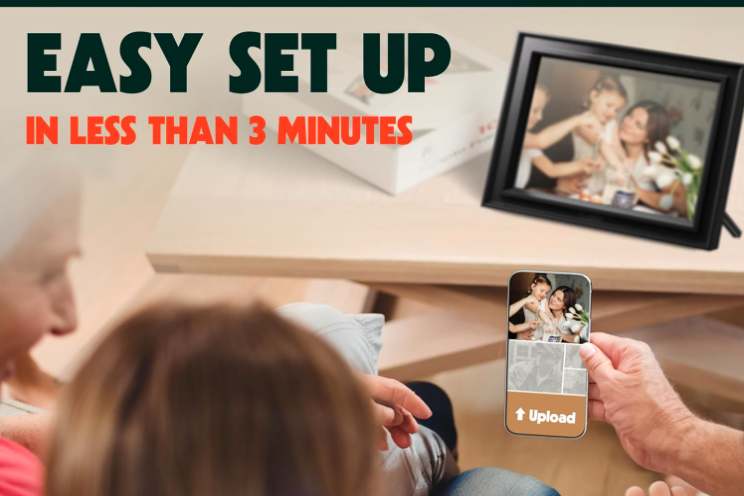
Looking for the best digital photo frame for a loved one with dementia? Many frames claim to be senior-friendly. We explore the Pix-Star series, rated best for its combination of features and value for the money.

VIDEO+ARTICLE: Sundowning in dementia can derail evenings with anxiety, agitation, and confusion. Here’s why it happens—and what actually helps.

Bringing art and creativity into elder care settings helps families reconnect with loved ones who have dementia. In this moving talk, Anne Bastings shares how.
When a hurricane hits Florida — or anywhere that has a very large population of people with dementia, there are special preparations that should be made by those living with dementia. Check these dementia-in-a-storm readiness lists.
In gardening, people with Alzheimer’s grow fresh plants along with better thinking. It’s a pleasant way to make things easier.

The co-founder of a caregivers’ organization introduces technology he has found helpful in caring for his grandmother with dementia.