
PBM Immune Cells Clear Brain Waste
Immune cells work to remove toxic compounds that build up in the brain, including amyloid beta plaques associated with Alzheimer’s, according to a mouse study funded by the National Institutes of Health.
Immune cells work to remove toxic compounds that build up in the brain, including amyloid beta plaques associated with Alzheimer’s, according to a mouse study funded by the National Institutes of Health.

What if prevention of Alzheimer’s were as simple as controlling your breathing? Researchers at the University of California are exploring this question.

Harvard’s Dr. Rudolph Tanzi is edging Alzheimer’s research forward with a string of breakthroughs. He’s one of today’s most talked-about Alzheimer’s researchers. Watch Rudy Tanzi talk about the inspiration for his life’s work.
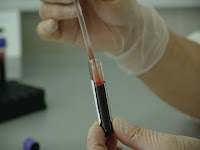
An Alzheimer’s blood test that works before symptoms appear can clear up doubts about memory problems. It can tell the difference between subjective memory problems, such as normal side-effects of aging, versus warning signs of Alzheimer’s.

About 1.8% of U.S. dementia cases were associated with visual impairment, according to federally-funded research
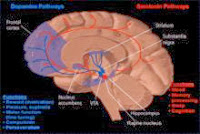
Doctors routinely diagnose and track dementia. “Neuropsychological tests” are non-invasive, using interviews or paper/pen tests. More invasive diagnostics include powerful MRI and PET scans.
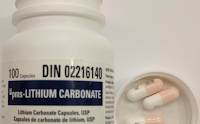
A study at McGill University shows that lithium given in micro doses may be capable of both halting signs of advanced Alzheimer’s pathology and recovering lost cognitive abilities.

Some Alzheimer’s tests cost thousands of dollars, some cost pennies. The trick is using the right tests at the right time for the right person. An excellent scoring system from Mayo Clinic offers a powerful tool for making the best choices.

A doctor who specializes in geriatric medicine explains how hearing devices can be helpful in preventing long-term cognitive decline.

80% fewer skin-cancer patients get Alzheimer’s. Why? Is it the medicines they take, their genes, or are they more prone to sunshine, activity or healthier eating?

THE TODAY SHOW takes a look at Julianne Moore’s performance as Alice, a Harvard professor diagnosed with Alzheimer’s. The movie earned her a Golden Globe nomination.

15 TIPS on how to limit wandering and prevent a person with dementia from becoming lost. (60% of people with dementia will wander off at some point.)

MUSIC: Famously known as the Songaminute Man, Ted is living with dementia, even as he enjoys singing on. Watch this wonderful sampling of his songs, along with a one-of-a-kind interview on BBC’s “The One Show”.

Three important dementia studies focus on HS-AGING, a type of dementia almost as common as Alzheimer’s in the 85+ group. Yet few people have heard of it. Why? What makes it different?
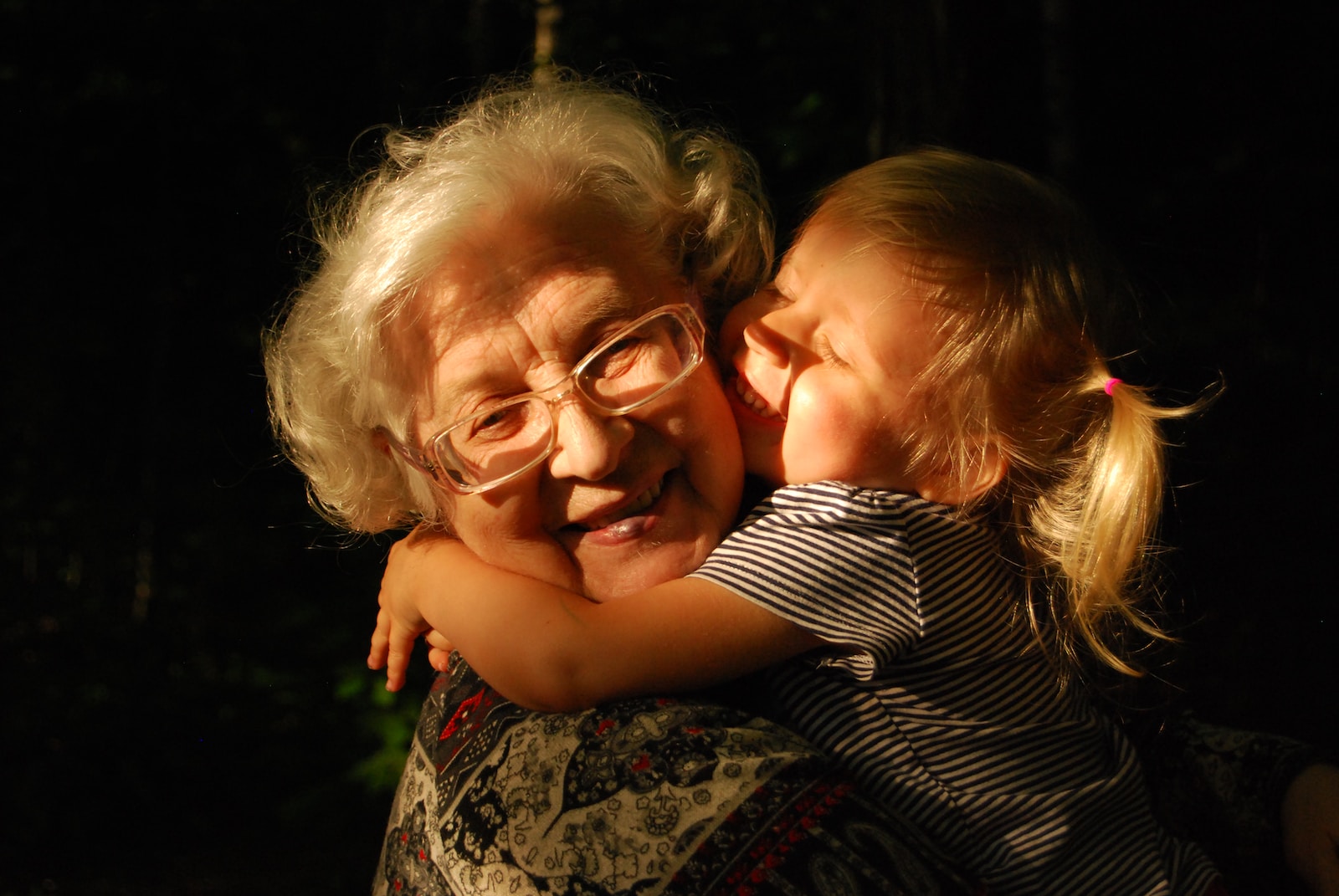
An intriguing study of 120 grandmothers might surprise you. Doctors know socially engaged people have better cognition and less dementia. But can a person get too much of a good thing? What’s the right balance?

Enjoy this great duet between a musician with dementia and his son. A triumph of spirit over Alzheimer’s! Sing-a-long if you like!

It looks like a sneeze cannot give anyone Alzheimer’s. While Alzheimer’s abnormal disease proteins do spread from cell-to-cell, they are not “infectious”. Check out the facts.