
Multivitamin Improves Memory in Older Adults
Taking a daily multivitamin supplement can slow age-related memory decline, researchers found.
Taking a daily multivitamin supplement can slow age-related memory decline, researchers found.
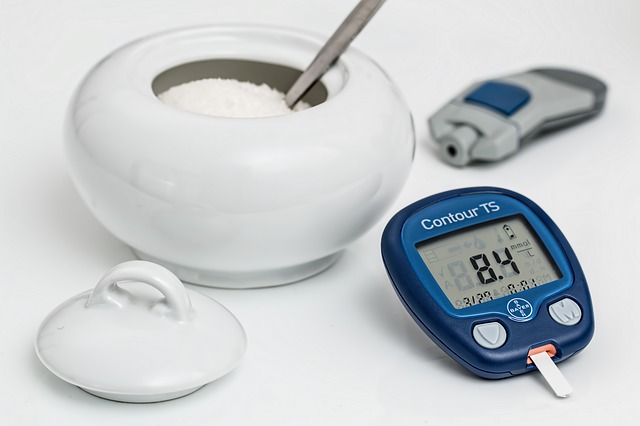
People taking certain drugs to lower blood sugar for Type 2 diabetes had less amyloid in the brain, a biomarker of Alzheimer’s disease, and showed slower cognitive decline than diabetics not taking drugs and people with diabetes. Find out more.

A new sensor has been developed that can detect Alzheimer’s more than a decade before symptoms appear. Learn more.

Rhesus macaque monkeys are being used to research early-stage Alzheimer’s. Find out why they are so much better than mice. Learn the advantages they offer scientists in the search for a cure.

Researchers find that people with dementia who received the drug suvorexant showed a drop in tau and amyloid beta. The drug is already available for sleep problems in Alzheimer’s. Learn more.
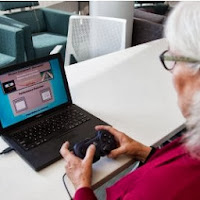
Scientists at UC San Francisco have found a way to reverse some of the negative effects of aging on the brain, using a video game designed to improve cognitive control.
What kind of brain enables “superagers” to learn and recall novel information as well as a 25-year-old? Researchers have found the answer. Learn more.

A molecule found in green tea helped UCLA biochemists discover several molecules that can destroy tau fiber. Learn more.

A certain protein in the blood can be used to predict the eventual appearance of Alzheimer’s. Will this allow for early intervention?
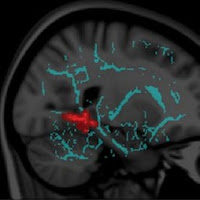
Brain patterns in concussions are similar to patterns seen in Alzheimer’s. Why? The initial traumatic event that caused the concussion may trigger a sequence of degenerative changes in the brain.
With 1.7 million annual concussions in the U.S., learn more about these relevant findings.

DIAGNOSIS VIDEO: Recognize the 10 early signs of dementia. Watch this engaging, clear presentation by Dementia Care Trainer Teepa Snow.

DIET VIDEO: What is the link between weight loss, mental performance, decision-making and dementia risk?

DEMENTIA TEST + INSTRUCTIONS:
The RUDAS Dementia Test is brief, effective and free. It works well for most people. (It performs even better than other quick tests for people with cultural barriers, low education levels, or when English is not one’s first language.)

Three important dementia studies focus on HS-AGING, a type of dementia almost as common as Alzheimer’s in the 85+ group. Yet few people have heard of it. Why? What makes it different?
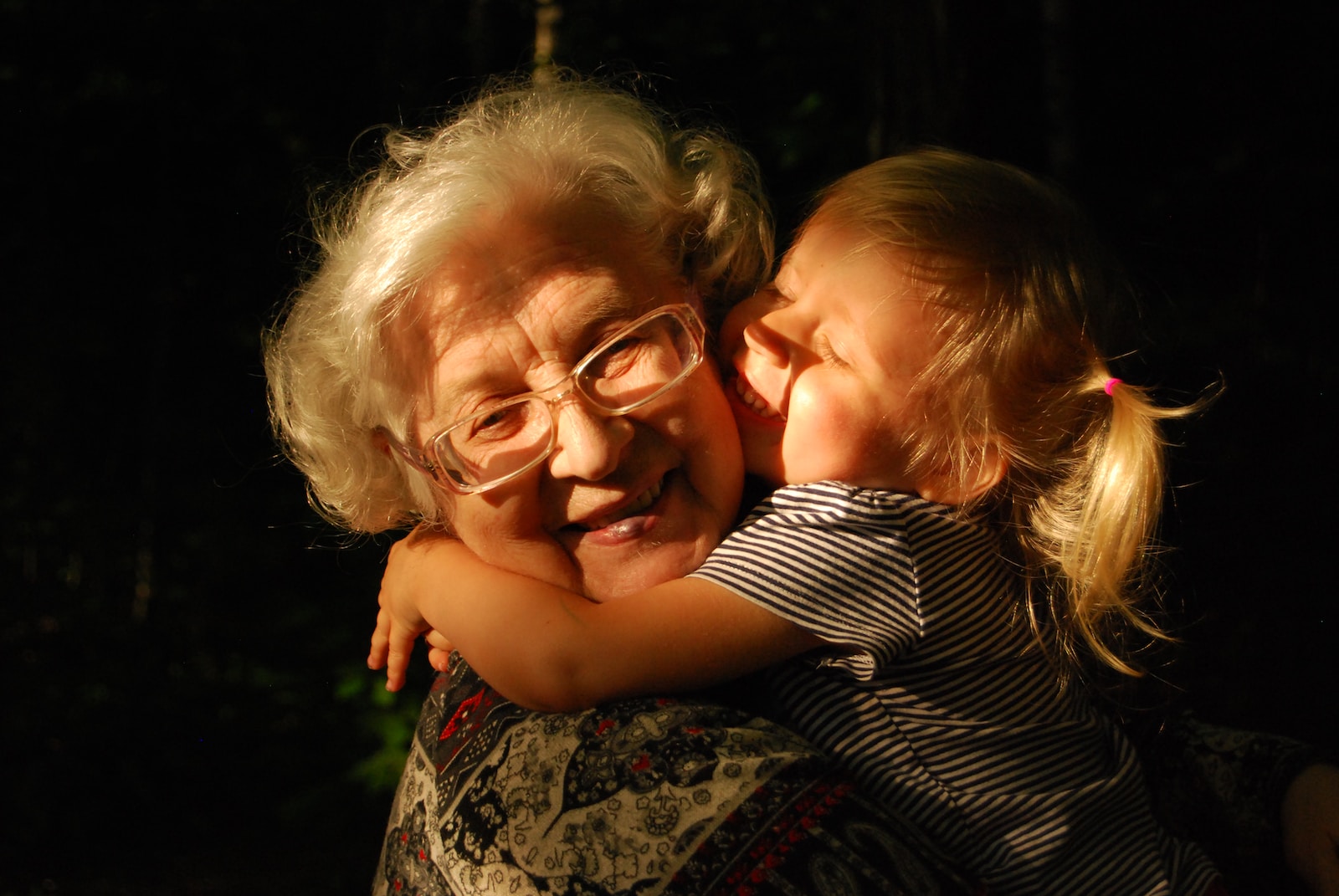
An intriguing study of 120 grandmothers might surprise you. Doctors know socially engaged people have better cognition and less dementia. But can a person get too much of a good thing? What’s the right balance?

Enjoy this great duet between a musician with dementia and his son. A triumph of spirit over Alzheimer’s! Sing-a-long if you like!

It looks like a sneeze cannot give anyone Alzheimer’s. While Alzheimer’s abnormal disease proteins do spread from cell-to-cell, they are not “infectious”. Check out the facts.