SuperAgers Have 90% Fewer Tangles
SuperAgers, aged 80+, have memories as sharp as persons decades younger. Find out why.
SuperAgers, aged 80+, have memories as sharp as persons decades younger. Find out why.
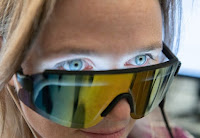
Researchers say exposure to light that’s pulsing at 40 beats per second causes the brain to release a surge of chemicals that may help fight Alzheimer’s disease.
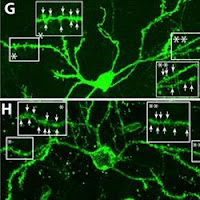
Researchers have been able to mobilize the brain’s native stem cells to replenish a type of neuron lost in Huntington’s disease. Learn how they improved health and extended life in the lab.

Researchers have found links between certain viral illnesses — like the flu — and the risk of Alzheimer’s. Learn more.

This simple eye test has the potential to change the way Alzheimer’s is detected and managed. Find out how this quick, easy-to-use, low cost & accurate technology for non-specialists will vastly improve the standard of care for people with Alzheimer’s.

See how this Alzheimer’s-test from Northwestern University uses celebrity faces to detect dementia. Find out how well it works.

RESEARCH: Scientists at Ben-Gurion University developed VBIT-4, a small molecule for treating Alzheimer’s disease that has shown remarkable success in mouse models.

“Do You Know What My Name Is?” produced by Sendai Television Inc., depicts an emotional real life drama of how a “dementia improvement program” was implemented in Ohio.

80% of Lewy Body dementia cases are initially misdiagnosed as Alzheimer’s or some other disorder. Until recently, it could take a year or more to correct that. Learn how GE’s “DaTSCAN” scanning technology is quickly changing all that.

In an ironic twist of global fate, longer lifespans are gearing up the planet for an Alzheimer’s explosion. Nicknamed “The Silver Tsunami”, one study shows Alzheimer’s will triple by 2050. Learn why. See how to prevent it.

Our change in diet has been proposed as being the underlying reason for the dramatic increase in the prevalence of Type II diabetes that we are observing worldwide in our time. What’s that doing to our brains?

VIDEO: President Ronald Reagan’s family raised the bar of Alzheimer’s awareness. Watch Nancy Reagan talk about it to the Republican National Convention. See Democratic President Obama with Nancy, describing her impact on the fight to end Alzheimer’s.

MUSIC VIDEO: Super Bowl Champ Ben Utecht got CTE Dementia at the age of 29. See his song and read how he asks Congress to tackle dementia.

Three important dementia studies focus on HS-AGING, a type of dementia almost as common as Alzheimer’s in the 85+ group. Yet few people have heard of it. Why? What makes it different?
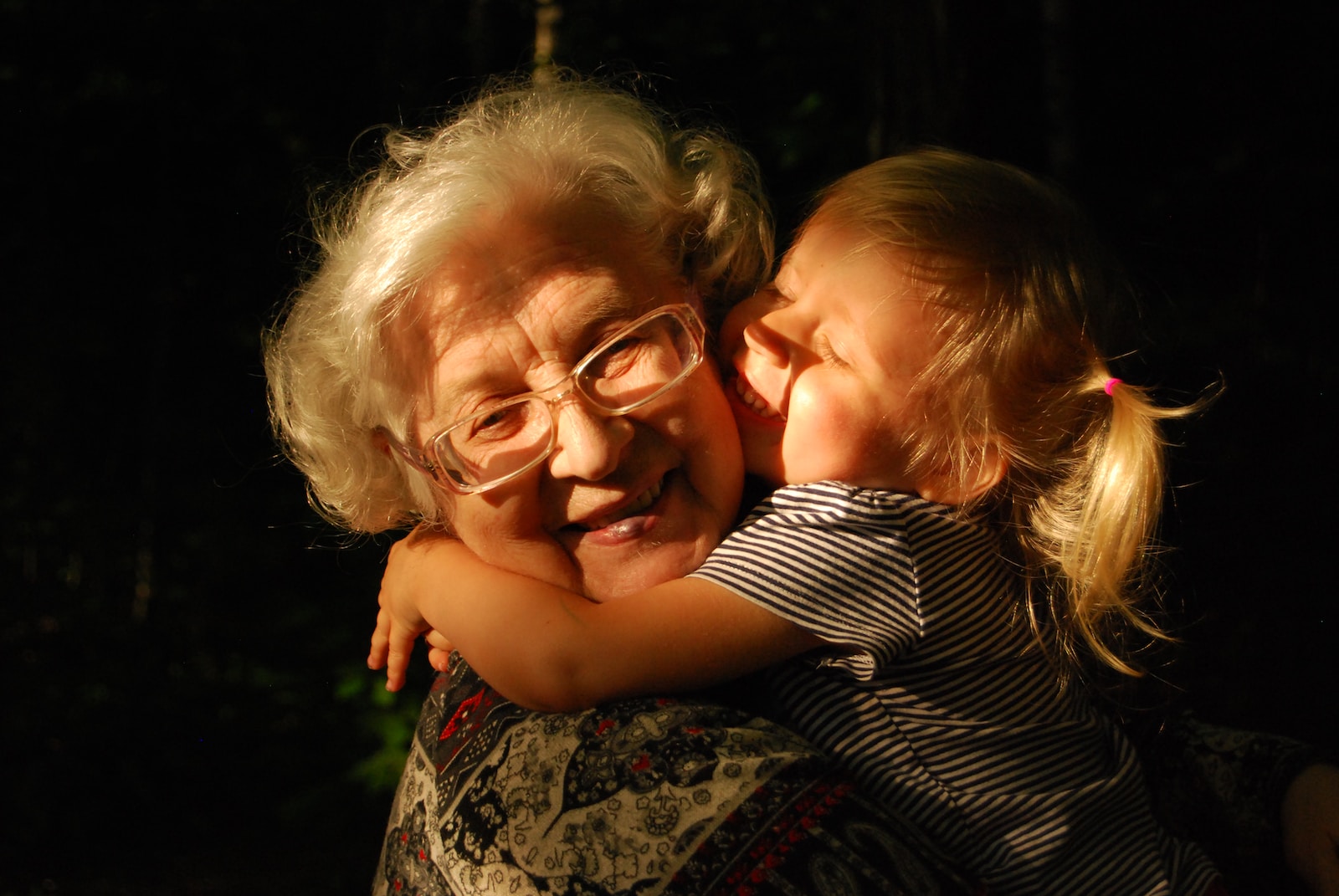
An intriguing study of 120 grandmothers might surprise you. Doctors know socially engaged people have better cognition and less dementia. But can a person get too much of a good thing? What’s the right balance?

Enjoy this great duet between a musician with dementia and his son. A triumph of spirit over Alzheimer’s! Sing-a-long if you like!

It looks like a sneeze cannot give anyone Alzheimer’s. While Alzheimer’s abnormal disease proteins do spread from cell-to-cell, they are not “infectious”. Check out the facts.