
Iron is Aging Our Elders
During aging as well as during Alzheimer’s or Parkinson’s disease, iron accumulates in the human brain. Now, researchers found that in vertebrates, a microRNA called
During aging as well as during Alzheimer’s or Parkinson’s disease, iron accumulates in the human brain. Now, researchers found that in vertebrates, a microRNA called

Dr. Rudy Tanzi is a top researcher in the fight against Alzheimer’s. Chris Mann is a famed music star. Learn about the latest research and see how they join forces in this remarkable video.

Researchers have found that a clutter-free environment may not be helpful to people with dementia — in fact, people with moderate dementia appeared to do better when surrounded by their usual clutter. Learn more.

An international team of researchers finds that cognitive motor training helps fight Alzheimer’s and dementia, using a fitness game to show that cognitive motor training improves both cognitive and physical skills in people with significant dementia. Find out more.

Eli Lilly Company’s TRAILBLAZER-ALZ 2 Phase 3 study shows that donanemab significantly slowed cognitive and functional decline in people with early symptomatic Alzheimer’s disease. Learn more.

Researchers know that some elderly patients have problems with cognitive function for weeks, sometimes months, following surgical procedures. Find out what the research reveals about this connection.

Researchers in Canada find that listening to one’s favorite music, or to music that is personally significant, leads to improvement in the integrity of the brain.

A regular afternoon nap seemed to be associated with better cognitive performance in a study of healthy seniors living in China.

A new peptide may hold potential as an Alzheimer’s treatment
Researchers say the CDK5 Blocker peptide blocks a hyperactive brain enzyme that contributes to the neurodegeneration seen in Alzheimer’s and other diseases.

Spend time with Alzheimer’s patients and you quickly learn, “If you met one person with Alzheimer’s, you met one person with Alzheimer’s.” Each patient’s journey is unique. Researchers have uncovered one reason why: Memories are like fingerprints. Learn how the brain creates “memory fingerprints” and how this may lead to new, better Alzheimer’s treatments.

BETTER MOOD: In dementia, the brain loses abilities. This changes personality and behavior. Use this tip sheet’s suggestions to better understand, cope and manage the changes.

Easy golfing is great for people with dementia. It offers opportunities to socialize and be active, without memory or athletic constraints. See how one club integrated golf into the routine of a family living with dementia. Learn about an easy-to-set-up indoor/outdoor home golfing kit.

HOME DESIGN: Use this safety checklist for living at home with dementia. It can alert you to potential hazards.

Three important dementia studies focus on HS-AGING, a type of dementia almost as common as Alzheimer’s in the 85+ group. Yet few people have heard of it. Why? What makes it different?
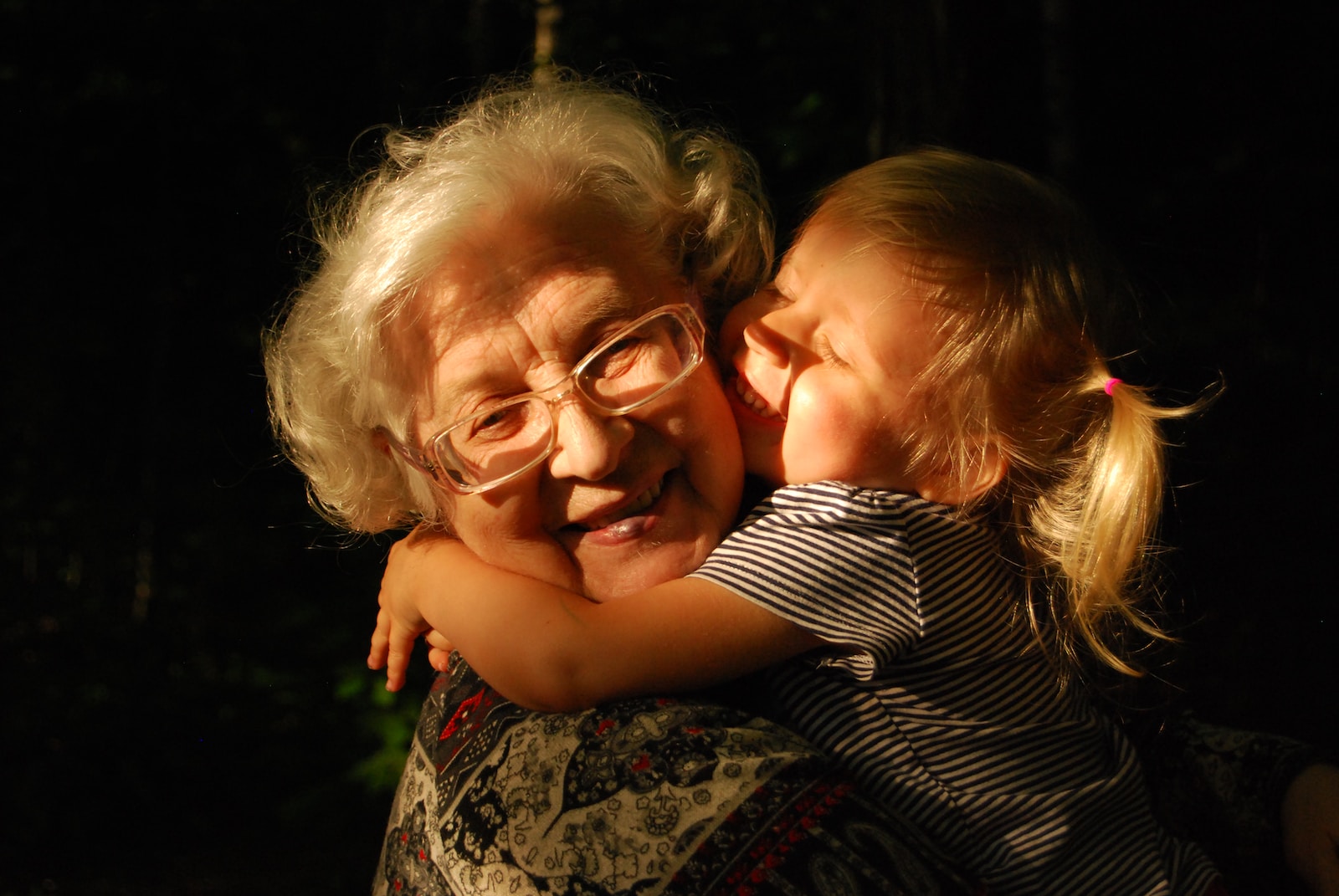
An intriguing study of 120 grandmothers might surprise you. Doctors know socially engaged people have better cognition and less dementia. But can a person get too much of a good thing? What’s the right balance?

Enjoy this great duet between a musician with dementia and his son. A triumph of spirit over Alzheimer’s! Sing-a-long if you like!

It looks like a sneeze cannot give anyone Alzheimer’s. While Alzheimer’s abnormal disease proteins do spread from cell-to-cell, they are not “infectious”. Check out the facts.