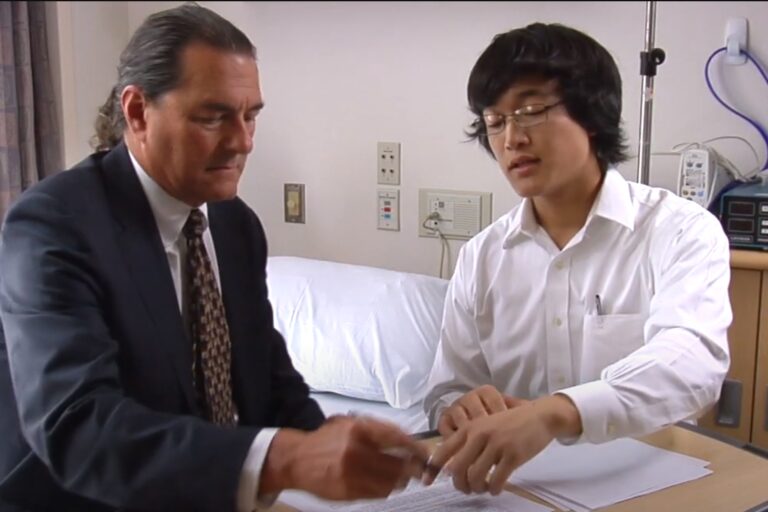
Why Join ADNI? (Alzheimer’s Disease Neuroimaging Initiative)
Walk through the various steps that occur as a person participates in the Alzheimer’s Disease Neuroimaging Initiative (ADNI) project.
Walk through the various steps that occur as a person participates in the Alzheimer’s Disease Neuroimaging Initiative (ADNI) project.

Find out how two biomarkers in saliva diagnose pain in dementia, effectively and non-invasively.

Lecanemab, the newest Alzheimer’s drug, is getting a boost by focusing ultrasound waves on the blood-brain barrier. Learn more about this next step in delivering better Alzheimer’s treatments.

Hearing loss and dementia may be linked, but there is a silver lining here.

“The night after we found that out, I couldn’t sleep,” said Senior Researcher Dr. Emmanuel Mignot. 1 in 5 people have DR4.

Studies have found an association between hearing loss and the development of dementia in older adults. Research also suggests that using hearing aids to treat hearing loss may help slow the development of cognitive problems.

A massive study of medical and genetic data shows that people with a particular version of a gene involved in immune response had a lower risk of Alzheimer’s and Parkinson’s disease.
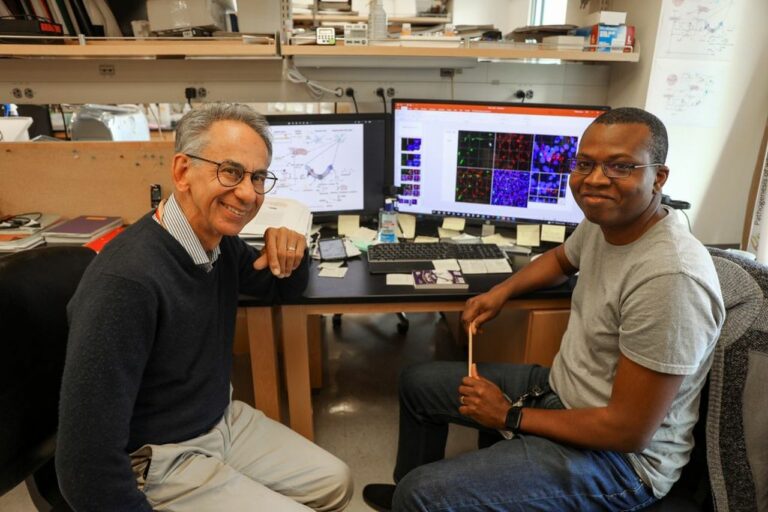
Scientists at Oregon’s only public academic health center (OHSU) have discovered a new avenue of cell death in Alzheimer’s disease and vascular dementia.
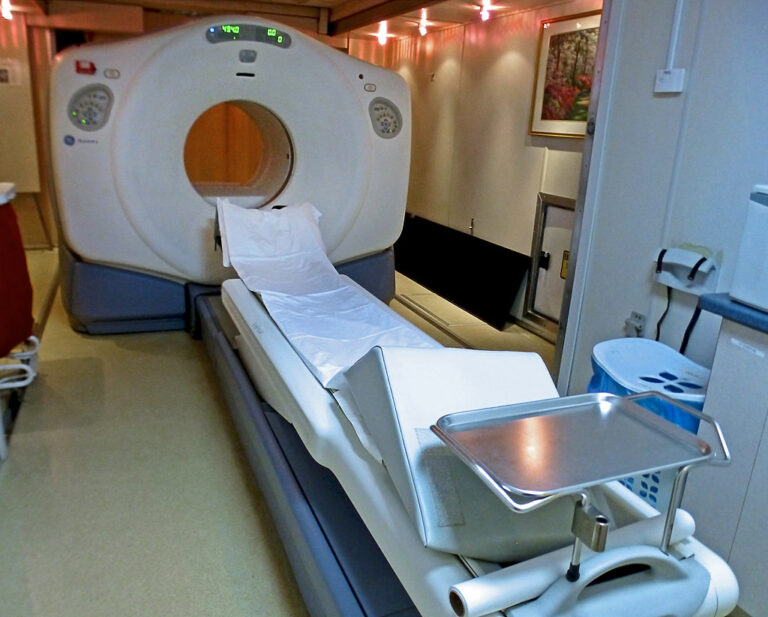
Tau PET is an imaging test used to detect the presence of tau protein in the brain. Researchers say it’s the best way to predict the rate of cognitive decline due to Alzheimer’s.

Researchers at UCI found that breathing in aromas while sleeping sparks a 226% cognitive increase.

Everyone knows we should exercise. But it’s hard. Sometimes realizing the consequences of not exercising can get us moving. Here’s a bit of really motivating research.

VIDEO: If you follow the news on Alzheimer’s research and treatment, it helps to know your brain’s basics. Watch Neurologist Tim Rittman explore the brain and how is works.

RESISTING ALZHEIMER’S VIDEO: “Still Alice” author & neuroscientist Lisa Genova shares the latest science investigating dementia. See promising research on what to do to build an Alzheimer’s-resistant brain.

Three important dementia studies focus on HS-AGING, a type of dementia almost as common as Alzheimer’s in the 85+ group. Yet few people have heard of it. Why? What makes it different?
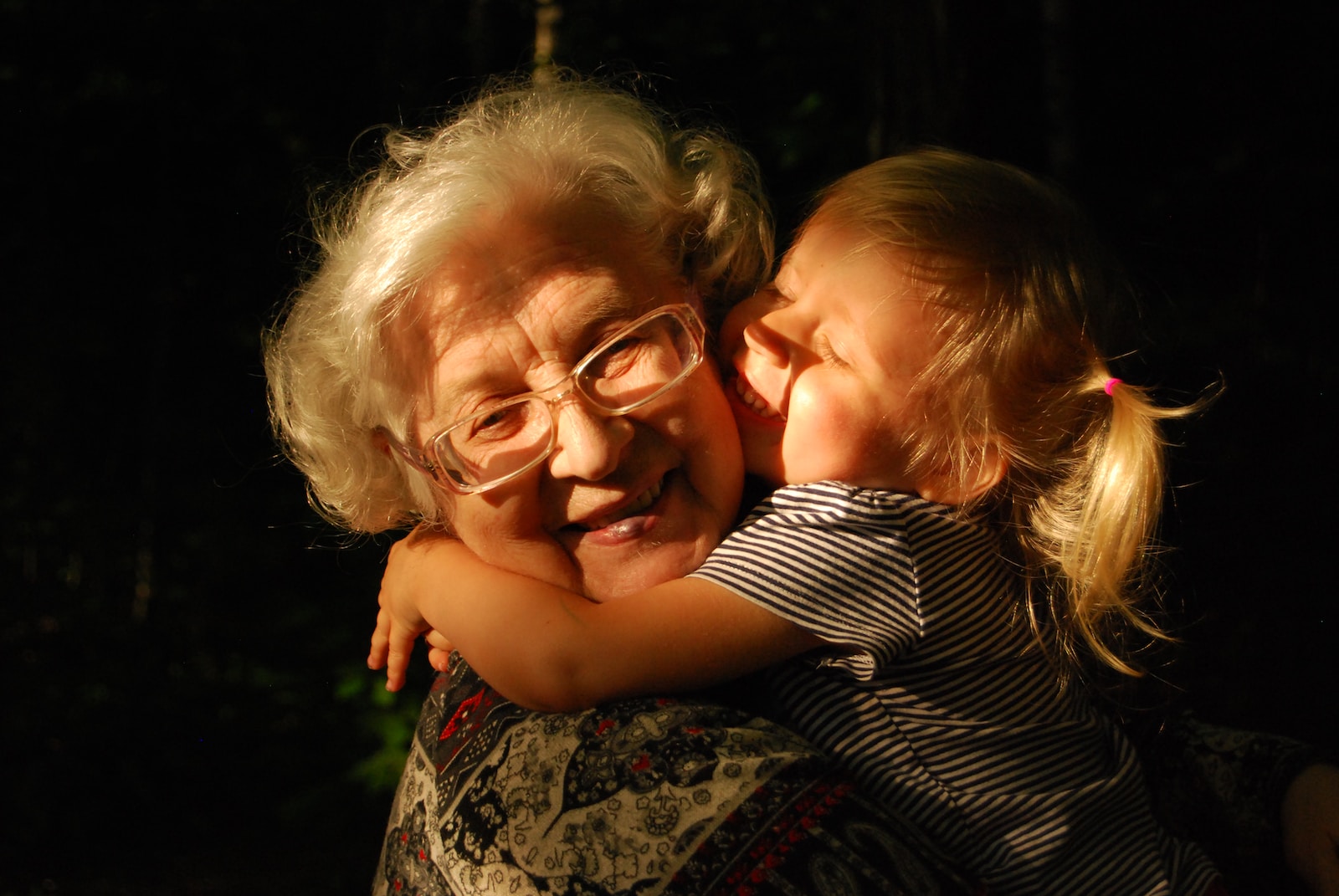
An intriguing study of 120 grandmothers might surprise you. Doctors know socially engaged people have better cognition and less dementia. But can a person get too much of a good thing? What’s the right balance?

Enjoy this great duet between a musician with dementia and his son. A triumph of spirit over Alzheimer’s! Sing-a-long if you like!

It looks like a sneeze cannot give anyone Alzheimer’s. While Alzheimer’s abnormal disease proteins do spread from cell-to-cell, they are not “infectious”. Check out the facts.