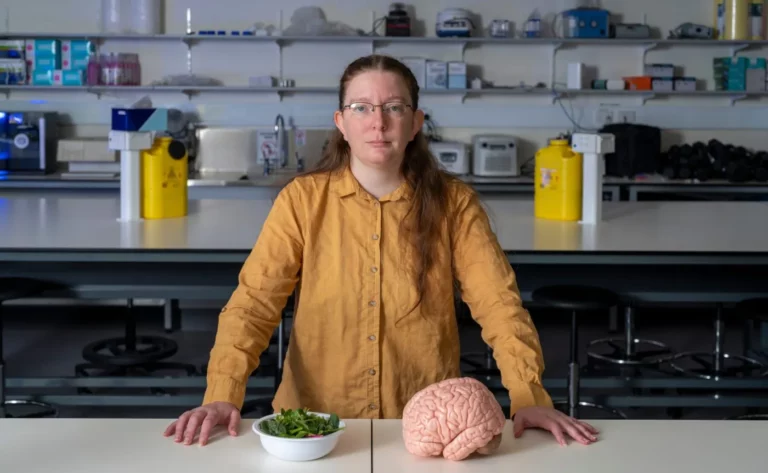
Boosting Magnesium Keeps Dementia at Bay
More magnesium in our daily diet leads to better brain health as we age, according to scientists from the Neuroimaging and Brain Lab at The Australian National University (ANU).
More magnesium in our daily diet leads to better brain health as we age, according to scientists from the Neuroimaging and Brain Lab at The Australian National University (ANU).
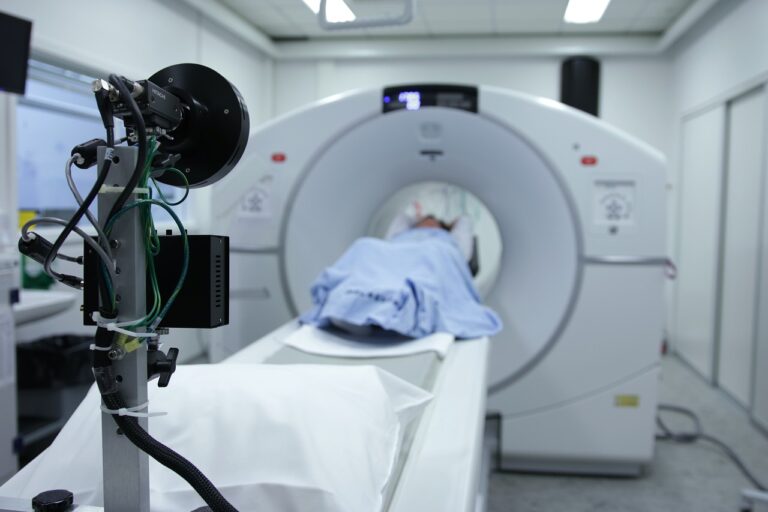
A large study led by Lund University in Sweden has shown that people with Alzheimer’s disease can now be identified before they experience any symptoms.

Alzheimer’s can cause difficulty falling asleep, staying asleep and awakening too early. These often lead to nighttime confusion and wandering. Doctors think they know why.
Beta-amyloid and tau proteins have long been considered the culprits behind Alzheimer’s. Yet many people have plenty of amyloid and tau protein, but no Alzheimer’s. Is TDP-43 the reason why?

Researchers find people living in towns with lots of green space were least likely to have Alzheimer’s or Parkinson’s.

Until now, scientists were unsure about how APOE4 creates the strongest genetic risk factor in Alzheimer’s. Now they believe they know.

Researchers say reading, writing letters, doing puzzles or playing card games in later life could delay the onset of Alzheimer’s by as much as five years.

Researchers in London and Paris report staying in touch with friends and family in midlife activates centers of the brain that involve language and memory. It could be linked to better cognitive health.
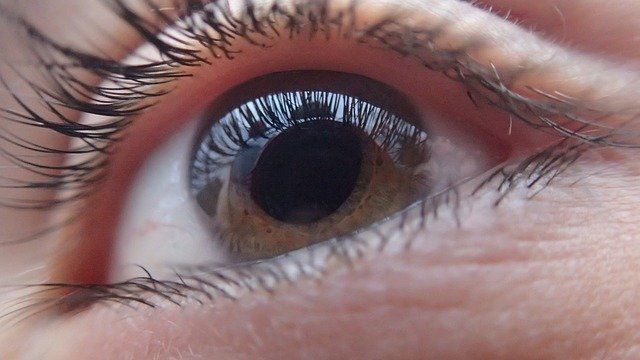
Researchers in Seattle, Washington have discovered that cataract surgery is associated with a lower risk of developing dementia, and specifically a lower risk of Alzheimer’s.

Researchers in New York found a gene that links cerebrovascular disease and Alzheimer’s.

CNN VIDEO: An Alzheimer’s brain comes with two culprits: tangles of tau protein and plaque made of amyloid. Yesterday’s research focused on getting rid of amyloid. See how today’s new, cutting edge research is targeting tau, too.

4 tips to improve communication with a loved one who has a dementia or Alzheimer’s diagnosis. These tips foster understanding and create a calm, supportive environment. Watch and learn how to navigate challenging moments with care and compassion.

CBS VIDEO – MUSIC & SONG: One program is giving people living with Alzheimer’s a new and joyous way to step back into life, by literally giving voice to both patients and their caregivers. Dr. Jonathan LaPook reports.

Three important dementia studies focus on HS-AGING, a type of dementia almost as common as Alzheimer’s in the 85+ group. Yet few people have heard of it. Why? What makes it different?
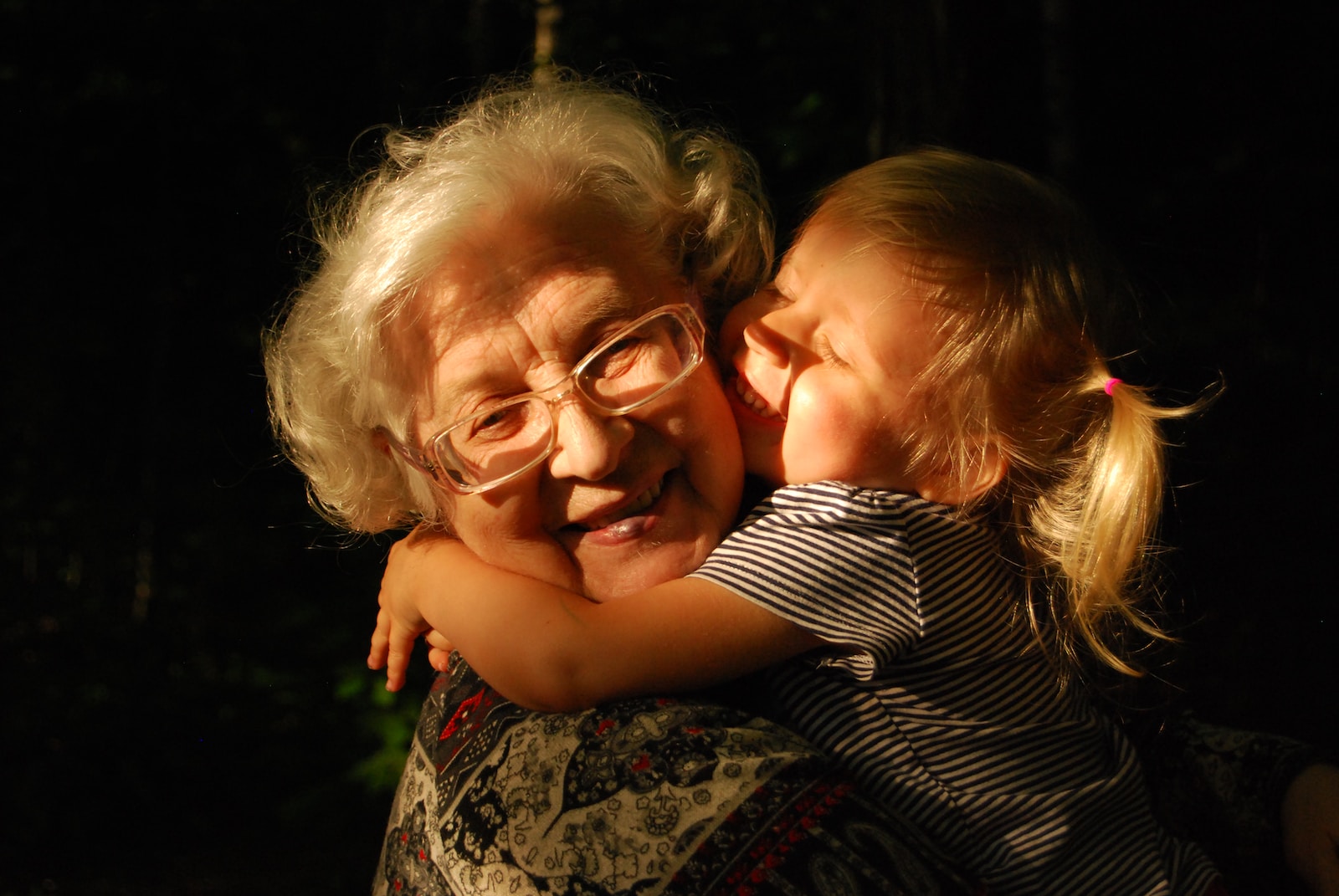
An intriguing study of 120 grandmothers might surprise you. Doctors know socially engaged people have better cognition and less dementia. But can a person get too much of a good thing? What’s the right balance?

Enjoy this great duet between a musician with dementia and his son. A triumph of spirit over Alzheimer’s! Sing-a-long if you like!

It looks like a sneeze cannot give anyone Alzheimer’s. While Alzheimer’s abnormal disease proteins do spread from cell-to-cell, they are not “infectious”. Check out the facts.