Memory Boosted by Intermittent Fasting in Alzheimer’s Lab
A groundbreaking study corrected the circadian disruptions seen in Alzheimer’s mice by using time-restricted feeding. This may improve sleep, sundowning, confusion and memory.
A groundbreaking study corrected the circadian disruptions seen in Alzheimer’s mice by using time-restricted feeding. This may improve sleep, sundowning, confusion and memory.

Researchers at UCI found that breathing in aromas while sleeping sparks a 226% cognitive increase.
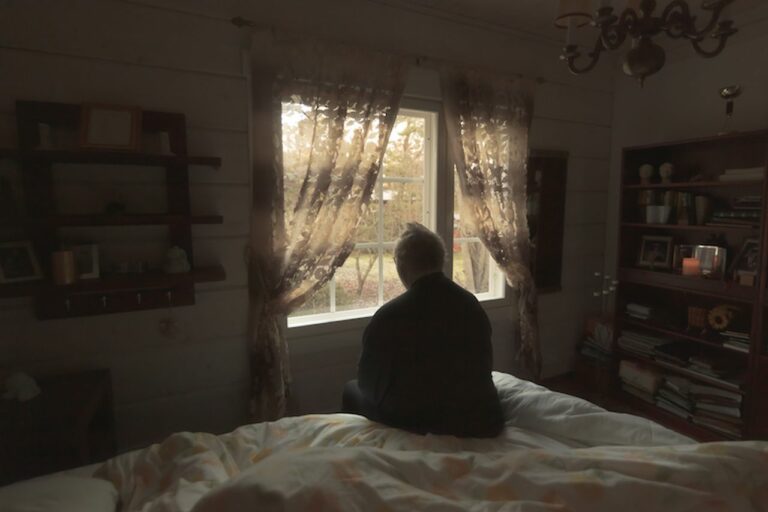
Alzheimer’s research from UVA Health suggests that enhanced light sensitivity may contribute to “sundowning” – the worsening of symptoms late in the day.

Alzheimer’s can cause difficulty falling asleep, staying asleep and awakening too early. These often lead to nighttime confusion and wandering. Doctors think they know why.

Does your loved one with Alzheimer’s suffer with insomnia? Suvorexant (BELSOMRA) could help. Learn more.

Striking out or shouting while asleep, called RBD, may be a very early warning of Lewy Body dementia. Learn what to look for and what to do about it.
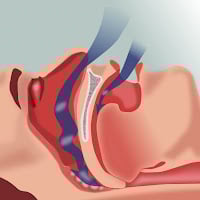
SLEEP: Research has long connected sleep apnea and Alzheimer’s. A key study looking at Alzheimer’s and sleep-disordered breathing (SDB) is opening up new “chicken-or-egg” questions:

MEMORY: Can’t remember something? Try waiting until later in the day. Researchers have identified a gene in mice that seems to influence memory recall at

SLEEP RESEARCH: The brain’s glymphatic pathway clears harmful wastes, especially during sleep. Stony Brook researchers show this lateral position could be best for the brain-waste
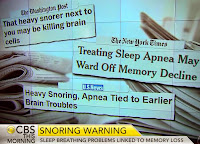
VIDEO + ARTICLE: A new study linked heavy snoring or sleep apnea to early memory loss and Alzheimer’s. However, people treating sleep breathing problems with

MAUDE’S AWARDS: RECOGNIZING INNOVATIONS IN DEMENTIA CARE SEATTLE, WA – The 7 TH Annual Maude’s Award Recipients are announced. Maude’s Awards wasdeveloped to gather and

CUTTING-EDGE VIDEO + ARTICLE: See Dr. Anthony Fitzpatrick use world-class cryo-electron microscopes to reveal molecular secrets leading to a cure for Alzheimer’s.

UPLIFTING VIDEO: Peter Berry & his Alzheimer’s are cycling 350 miles to show it’s still possible to live well with dementia.

Three important dementia studies focus on HS-AGING, a type of dementia almost as common as Alzheimer’s in the 85+ group. Yet few people have heard of it. Why? What makes it different?

An intriguing study of 120 grandmothers might surprise you. Doctors know socially engaged people have better cognition and less dementia. But can a person get too much of a good thing? What’s the right balance?

Enjoy this great duet between a musician with dementia and his son. A triumph of spirit over Alzheimer’s! Sing-a-long if you like!

It looks like a sneeze cannot give anyone Alzheimer’s. While Alzheimer’s abnormal disease proteins do spread from cell-to-cell, they are not “infectious”. Check out the facts.