How Sleep Clears Alzheimer’s
Beta-amyloid (also known as “plaque”) is the main suspect behind Alzheimer’s. Sleep can clear it TWICE as quickly as wakefulness, in the lab. Find out
Beta-amyloid (also known as “plaque”) is the main suspect behind Alzheimer’s. Sleep can clear it TWICE as quickly as wakefulness, in the lab. Find out

Having trouble sleeping? You’re not alone. But a group of federal agencies have provided new resources to help. Learn more.

AlzForum reports new Alzheimer’s results for FDA-Approved insomnia drug suvorexant (Belsomra®). Half of people with Alzheimer’s don’t sleep well, exacerbating a variety of problems. Learn

Sleep is restorative and refreshing. It helps clean out Alzheimer’s plaque and lowers vascular dementia risk. Learn to sleep better with the nationwide “Sleep Well,

VIDEO & ARTICLE See why a Taiwanese study closely connects insomnia and vascular problems. (Vascular problems like stroke and heart attack are primary causes of
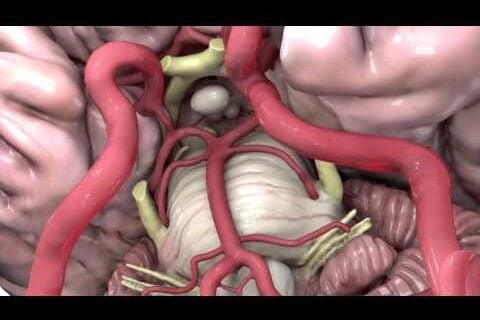
EXCEPTIONAL VASCULAR DEMENTIA VIDEO ANIMATION: Vascular deterioration in brains affects nearly everyone by 70. Aging arteries can trigger Vascular Dementia, or Vascular Cognitive Impairment. See the basics on its causes. Learn some tips on how to prevent it.

BRAIN-HEALTHY RECIPE: An appeal to your senses: Beautiful to behold, delicious to taste. Refreshing aroma from dementia-shielding citrus and satisfying crunch from brain-healthy pecans.

VIDEO: This is not a story about dementia. This is a story about Liz.

Three important dementia studies focus on HS-AGING, a type of dementia almost as common as Alzheimer’s in the 85+ group. Yet few people have heard of it. Why? What makes it different?

An intriguing study of 120 grandmothers might surprise you. Doctors know socially engaged people have better cognition and less dementia. But can a person get too much of a good thing? What’s the right balance?

Enjoy this great duet between a musician with dementia and his son. A triumph of spirit over Alzheimer’s! Sing-a-long if you like!

It looks like a sneeze cannot give anyone Alzheimer’s. While Alzheimer’s abnormal disease proteins do spread from cell-to-cell, they are not “infectious”. Check out the facts.