Can My Doctor Diagnose & Treat Alzheimer’s or Do I Need a Neurologist?
See Dr. Geoffrey Kerchner, Memory Disorders Specialist at California’s Memory Disorders Center, answer important questions for people who have, or may have, Alzheimer’s.
See Dr. Geoffrey Kerchner, Memory Disorders Specialist at California’s Memory Disorders Center, answer important questions for people who have, or may have, Alzheimer’s.

What is vascular dementia, the second most common of the dementias? What causes it? Can it be prevented or cured?

DEMENTIA DIET TIPS – VIDEO: What’s tasty and what’s not for people with Alzheimer’s? Find out from Teepa Snow. Learn what to expect when medication is mixed with food. Turn meals into a real time for connecting.

MEMORY & THINKING are activated by acetyl-choline. Alzheimer’s drugs boost acetyl-choline. Other medications, from allergy to insomnia drugs, may be anti-cholinergic, lowering acetyl-choline. This can spell trouble in dementia. Learn which drugs to avoid and what to look out for.

MEDICATION VIDEO + ARTICLE: From allergies to moods, most of us get relief from drugs known as “anticholinergics”. Some raise dementia risk, some don’t. Do we always need them? A study of 300,000 people offers answers to help you and your doctor better weigh the risks and benefits.

DIAGNOSIS VIDEO + ARTICLE:
Country music legend Kris Kristofferson Alzheimer’s misdiagnosis ruined his career. Turned out he had Lyme disease. Learn about his remarkable recovery and the signs to look for.

MEDICATION: Razadyne (generic galantamine) is an FDA-Approved daffodil extract for Alzheimer’s. Learn how it significantly lowered mortality & eased cognitive decline.
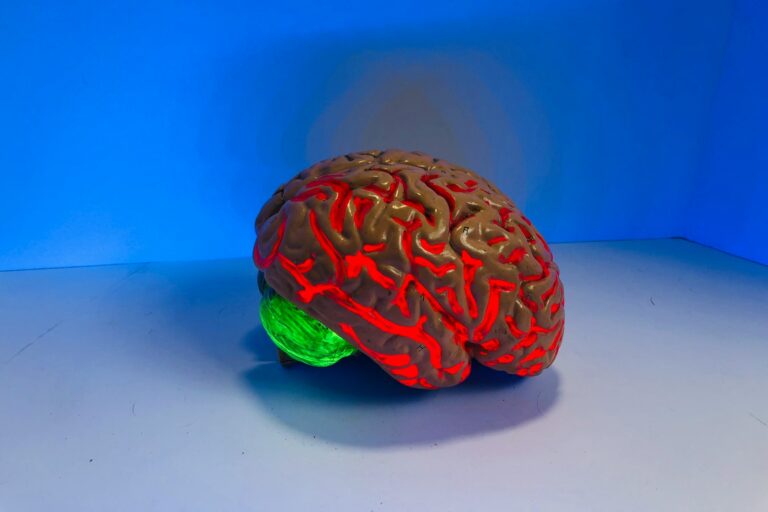
Researchers found the walls of the brain’s small arteries are also affected in Alzheimer’s, reducing blood flow. Learn about this new treatment target.

Research shows that a blood test now on the market accurately identifies brain amyloid status with a single blood sample. In other words, this blood test can diagnose Alzheimer’s.
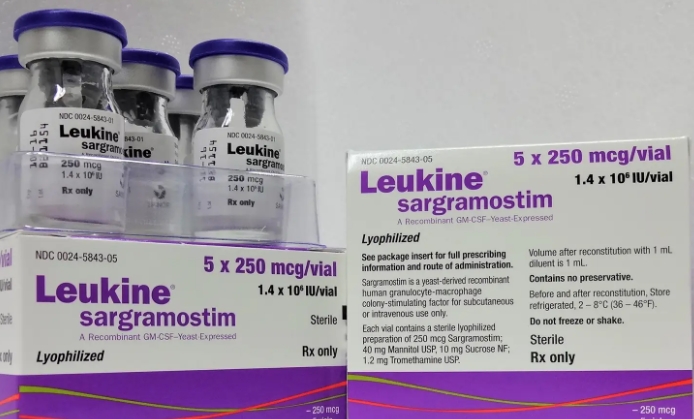
FDA-approved Sargramostim, a normal human protein, improved memory and cognition in Alzheimer’s patients in a Phase II clinical trial. The drug is safe and well-tolerated, and has been used for other disorders for 30 years.
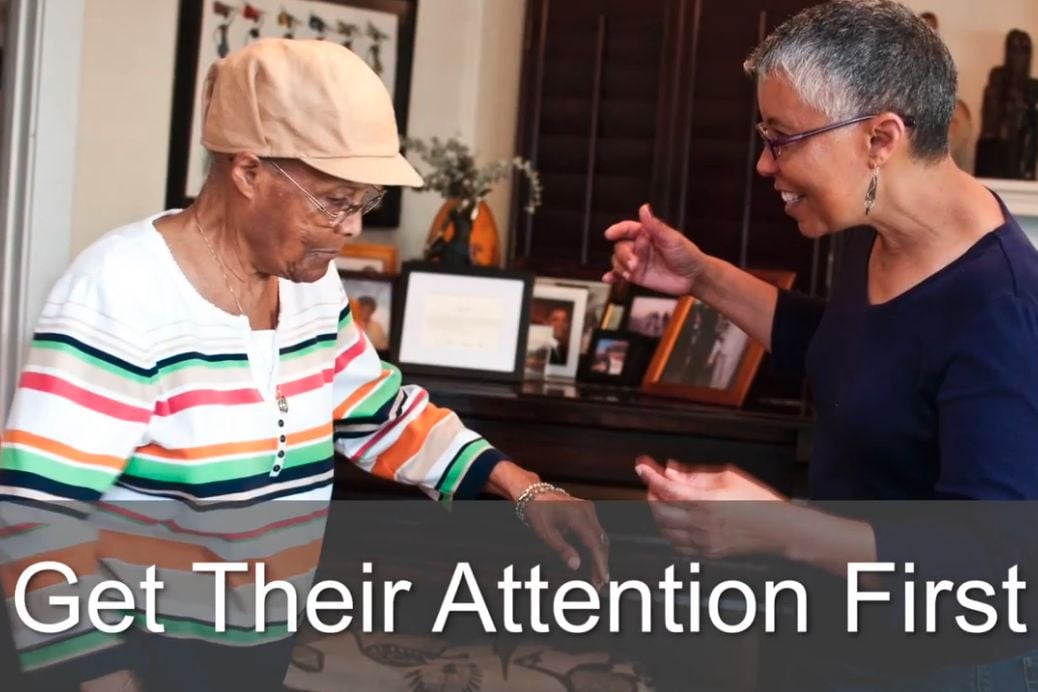
COMMUNICATIONS VIDEO + TRANSCRIPT: In Alzheimer’s, talking to a loved one can be very frustrating. Here are 3 tips that can help.
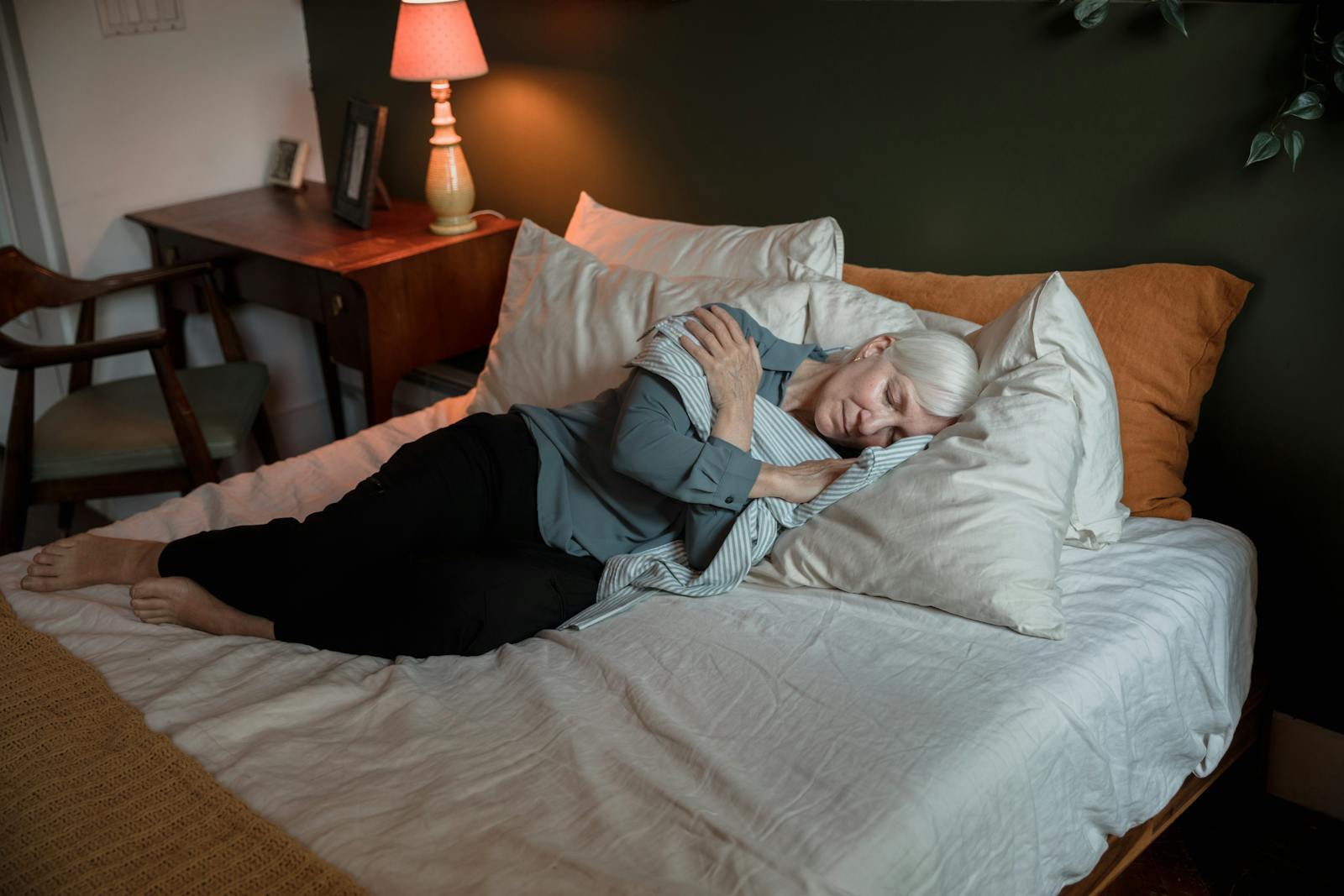
VIDEO+ARTICLE: Depth of sleep impacts our brain’s ability to wash away waste and toxic proteins. Sleep becomes lighter and disrupted as we get older. A new study reveals intriguing links between aging, sleep deprivation, and Alzheimer’s risk.
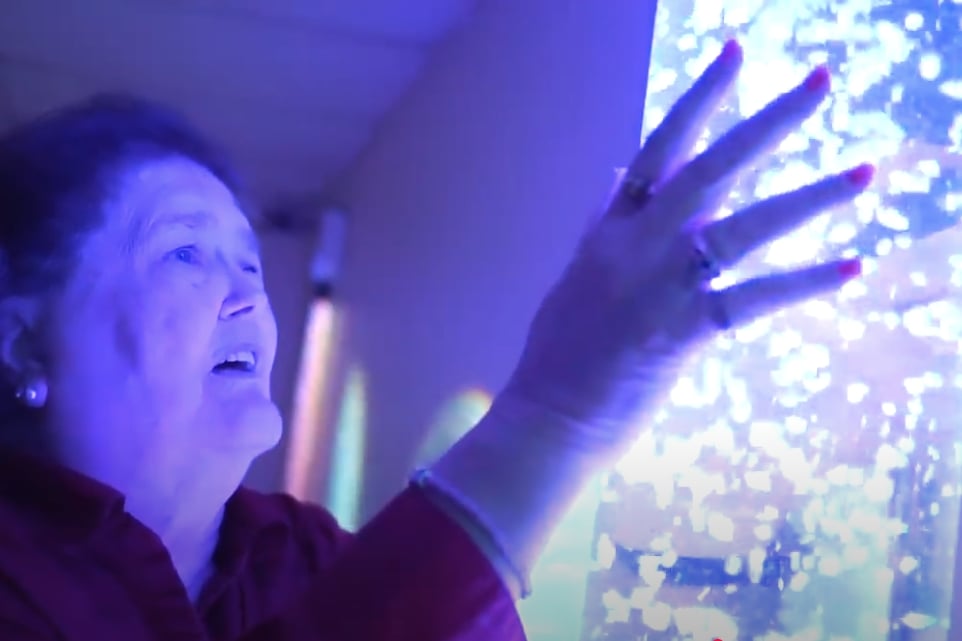
STIMULATION VIDEO: See how Snoezelen Rooms offer sensory experiences designed for dementia. “We have found more stimulation slows down the progression of the disease process.” Relax, explore, hear Frank Sinatra, enjoy calming colors, even test memory.

Three important dementia studies focus on HS-AGING, a type of dementia almost as common as Alzheimer’s in the 85+ group. Yet few people have heard of it. Why? What makes it different?
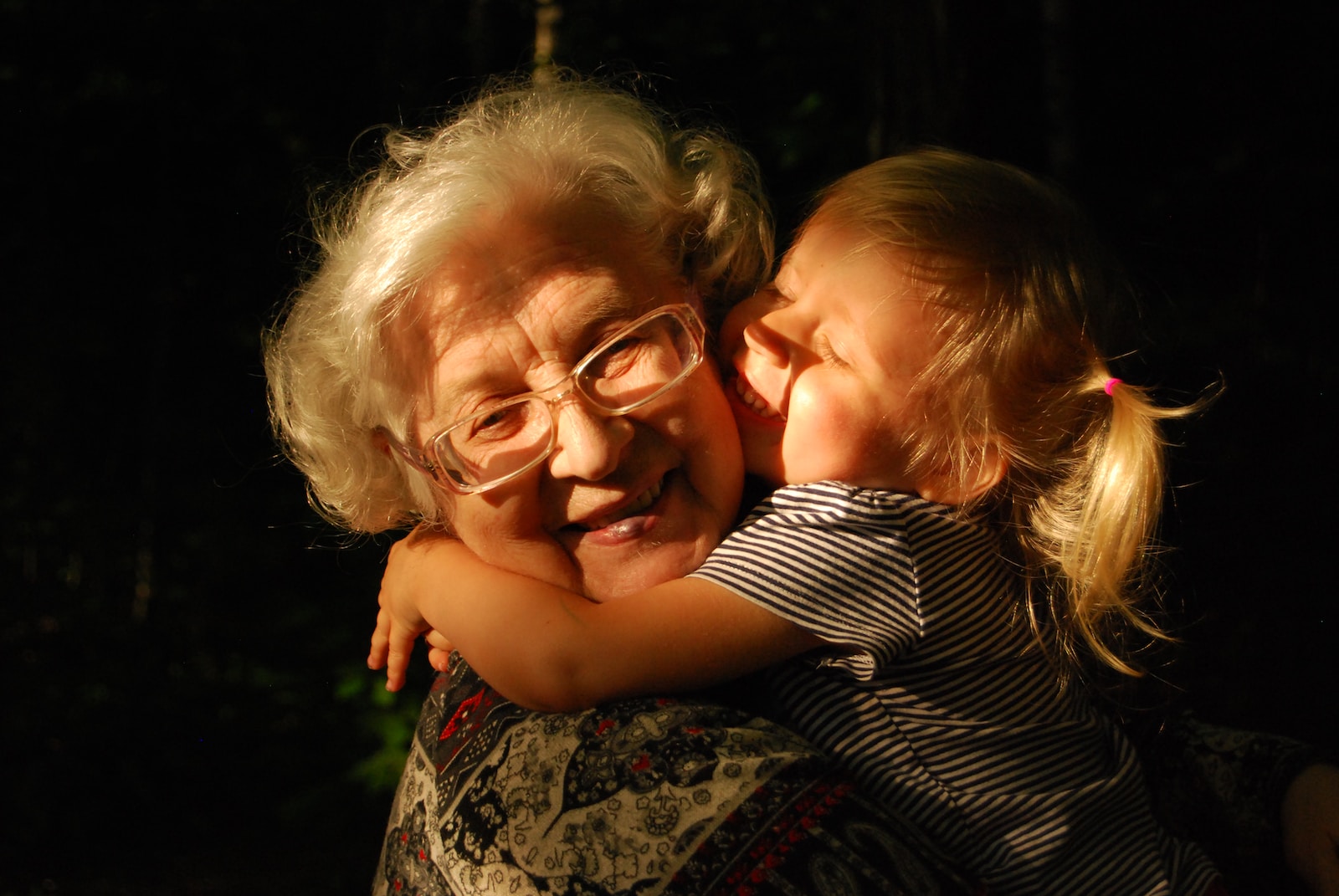
An intriguing study of 120 grandmothers might surprise you. Doctors know socially engaged people have better cognition and less dementia. But can a person get too much of a good thing? What’s the right balance?

Enjoy this great duet between a musician with dementia and his son. A triumph of spirit over Alzheimer’s! Sing-a-long if you like!
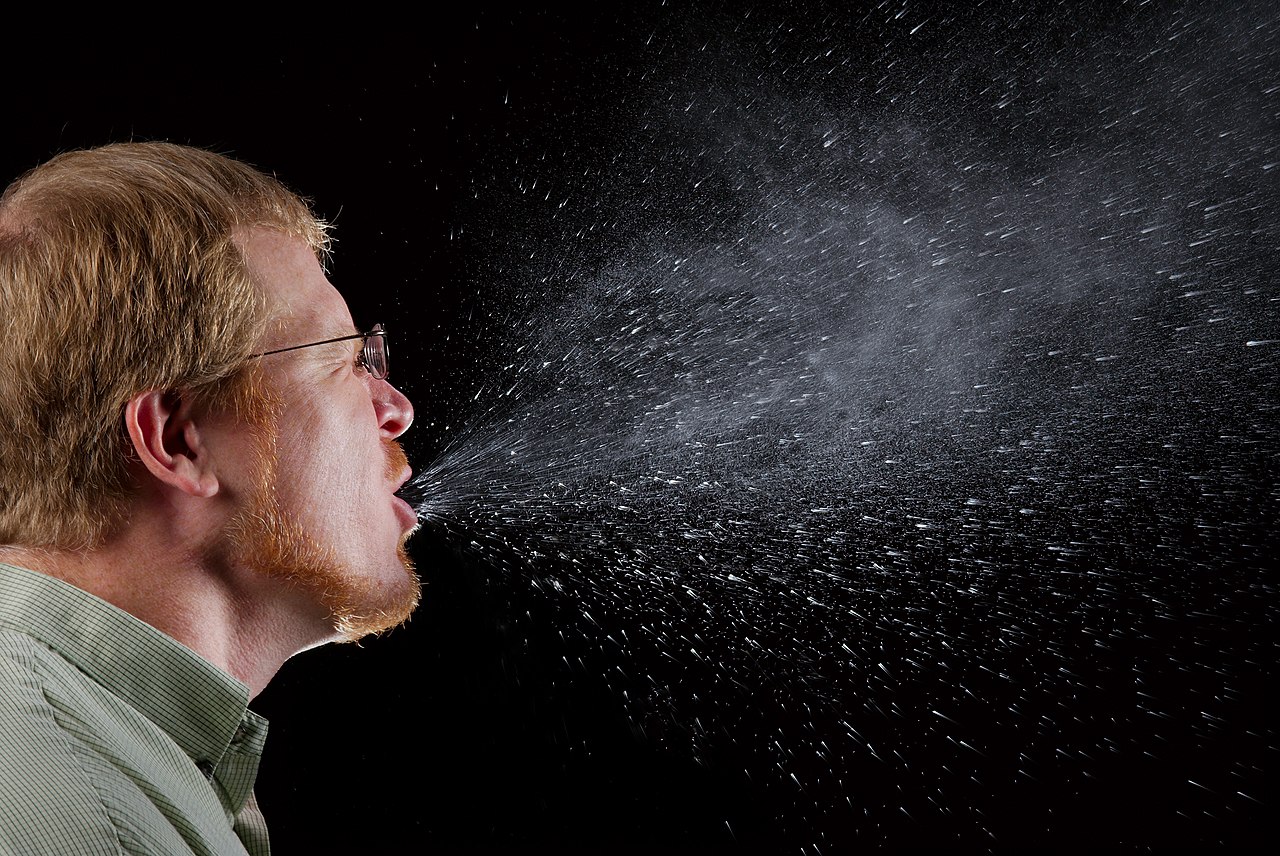
It looks like a sneeze cannot give anyone Alzheimer’s. While Alzheimer’s abnormal disease proteins do spread from cell-to-cell, they are not “infectious”. Check out the facts.