Ketones Clear Alzheimer’s Protein, Improve Brain Function
Ketones are a backup source of energy for neurons. Now, exciting research reveals bigger news: Ketone esters help clear misfolded proteins in animal models of aging and Alzheimer’s.
Ketones are a backup source of energy for neurons. Now, exciting research reveals bigger news: Ketone esters help clear misfolded proteins in animal models of aging and Alzheimer’s.

DIET VIDEO + ARTICLE: Walnuts fight Alzheimer’s in a big way in the lab. Learn how walnuts appear to have a beneficial effect in reducing risk, delaying onset, slowing progression and preventing Alzheimer’s.

DIET VIDEO & ARTICLE: An innovative study shows how a daily glass of wine (or two) can help clean the brain of Alzheimer’s plaque.

In an Alzheimer’s study, insulin delivered high up in the nasal cavity achieved lasting results in improving memory. Find out why Dr. W. Banks calls this “one of those studies where everything is coming together.”

Healthy foods make a healthy brain. Healthy food NETWORKS (which are the foods you eat together), may offer an even bigger benefit.

Could Ozempic lower one’s risk of Alzheimer’s? NewsNation medical contributor Dr. Dave Montgomery joins “Morning in America” to discuss the research.

NEUROPROTECTIVE HOLIDAY RECIPE: Brain-healthy pumpkin pie gets a new twist with a crunchy, neuroprotective walnut streusel topping. Try this easy recipe that starts with a store-bought pie crust!

BRAIN-HEALTHY RECIPE: An appeal to your senses: Beautiful to behold, delicious to taste. Refreshing aroma from dementia-shielding citrus and satisfying crunch from brain-healthy pecans.

DIET: Add nuts to your meals to eat better and fight dementia. Discover three great ways nuts help your brain-boosting diet.

Neurologist Jason Morangales offers a plain-English discussion on the famous Alzheimer’s nickname, “Type-3 Diabetes”. Learn about its connection to nutritional brain health.

Our change in diet has been proposed as being the underlying reason for the dramatic increase in the prevalence of Type II diabetes that we are observing worldwide in our time. What’s that doing to our brains?

VIDEO: President Ronald Reagan’s family raised the bar of Alzheimer’s awareness. Watch Nancy Reagan talk about it to the Republican National Convention. See Democratic President Obama with Nancy, describing her impact on the fight to end Alzheimer’s.

MUSIC VIDEO: Super Bowl Champ Ben Utecht got CTE Dementia at the age of 29. See his song and read how he asks Congress to tackle dementia.

Three important dementia studies focus on HS-AGING, a type of dementia almost as common as Alzheimer’s in the 85+ group. Yet few people have heard of it. Why? What makes it different?
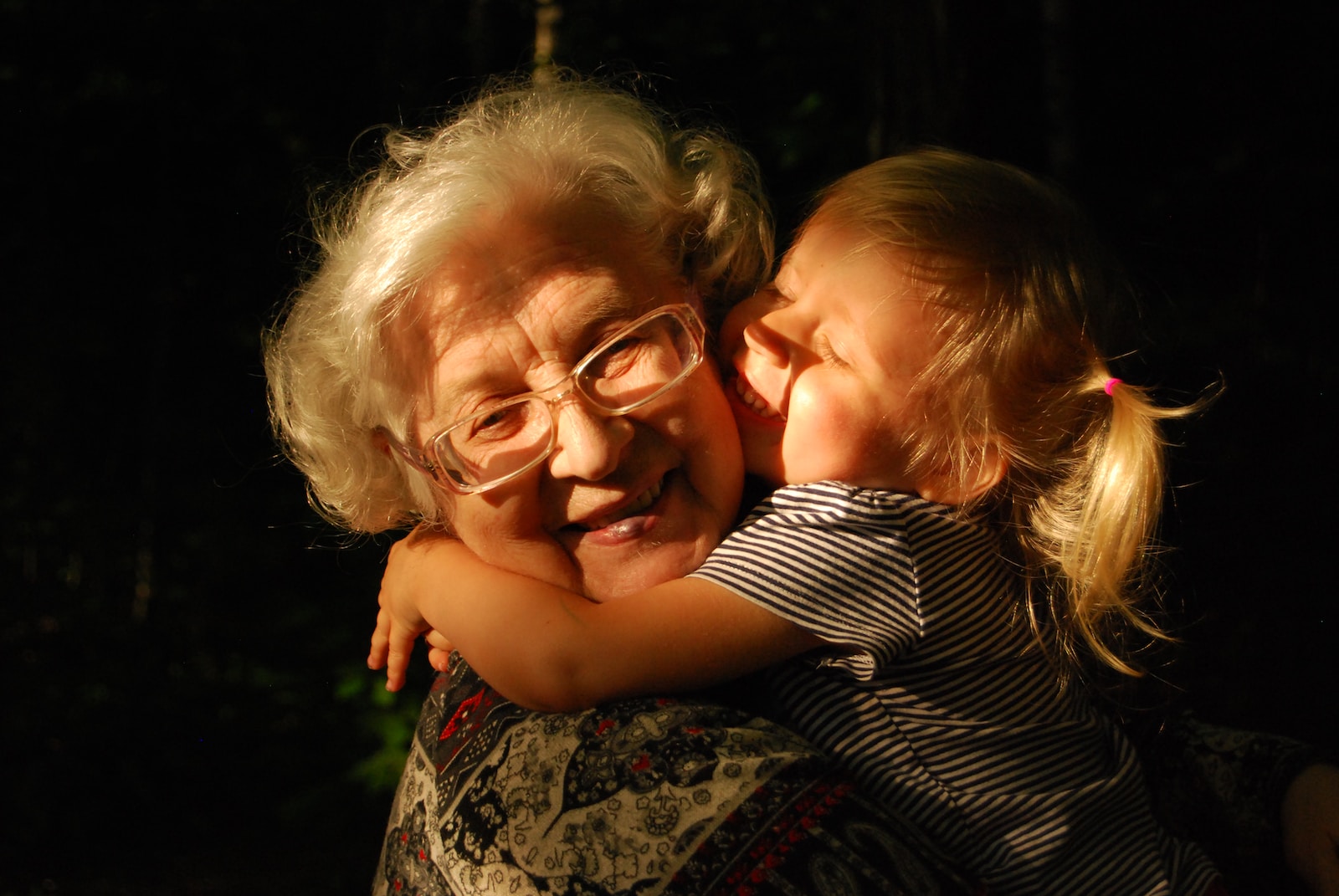
An intriguing study of 120 grandmothers might surprise you. Doctors know socially engaged people have better cognition and less dementia. But can a person get too much of a good thing? What’s the right balance?

Enjoy this great duet between a musician with dementia and his son. A triumph of spirit over Alzheimer’s! Sing-a-long if you like!
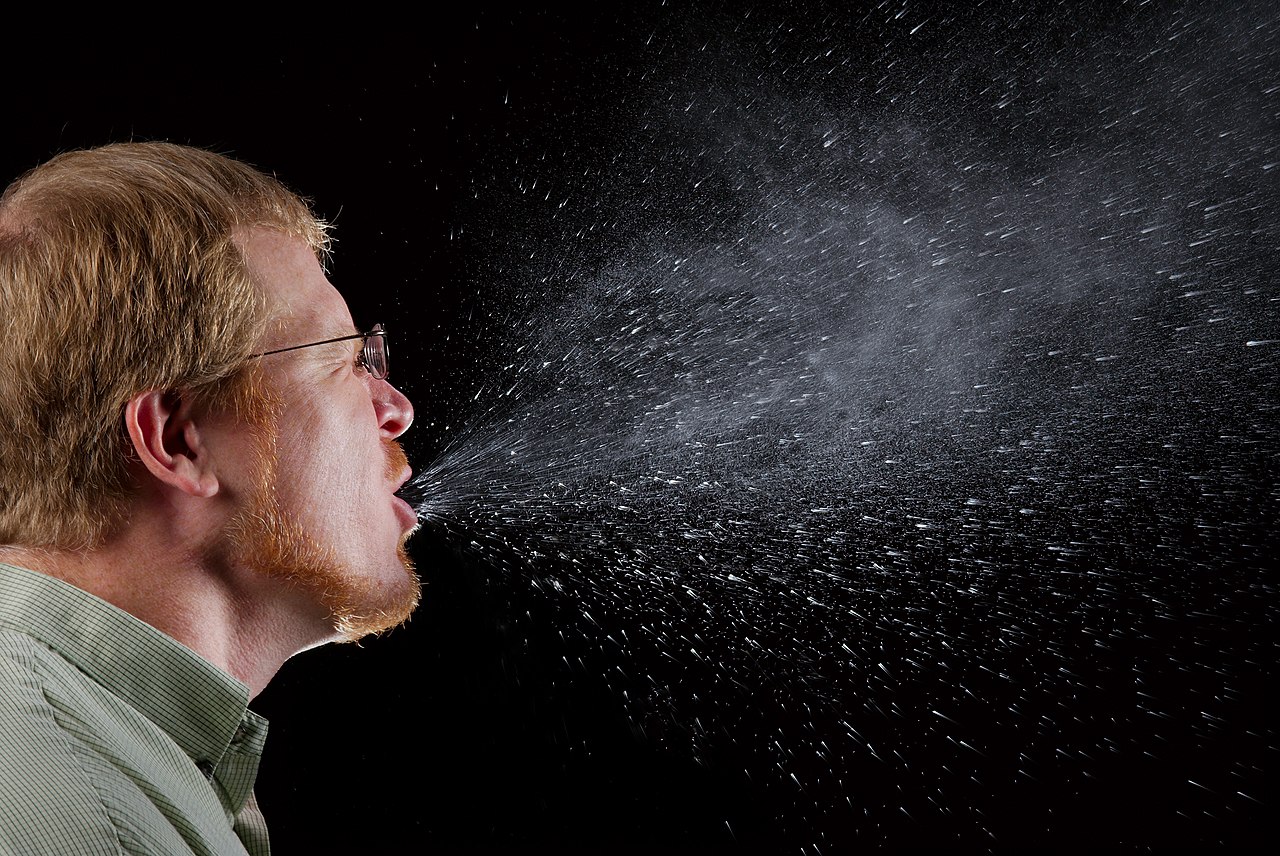
It looks like a sneeze cannot give anyone Alzheimer’s. While Alzheimer’s abnormal disease proteins do spread from cell-to-cell, they are not “infectious”. Check out the facts.