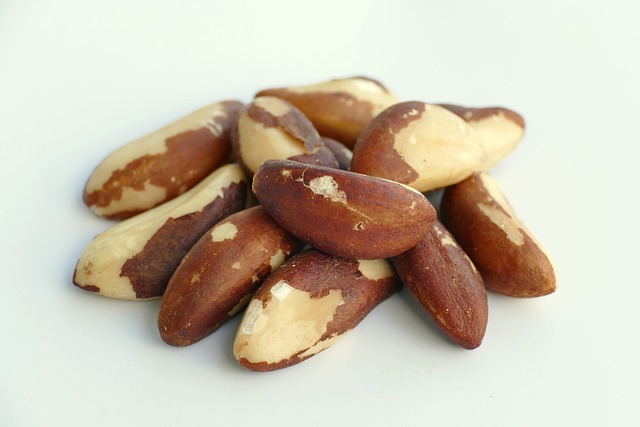
Boosting Magnesium Keeps Dementia at Bay
More magnesium in our daily diet leads to better brain health as we age, according to scientists from the Neuroimaging and Brain Lab at The Australian National University (ANU).

More magnesium in our daily diet leads to better brain health as we age, according to scientists from the Neuroimaging and Brain Lab at The Australian National University (ANU).

Taking a daily multivitamin supplement can slow age-related memory decline, researchers found.

People taking certain drugs to lower blood sugar for Type 2 diabetes had less amyloid in the brain, a biomarker of Alzheimer’s disease, and showed slower cognitive decline than diabetics not taking drugs and people with diabetes. Find out more.

What kind of brain enables “superagers” to learn and recall novel information as well as a 25-year-old? Researchers have found the answer. Learn more.

A molecule found in green tea helped UCLA biochemists discover several molecules that can destroy tau fiber. Learn more.

Dementia incidence has steadily fallen by 20 to 25 percent over the past three decades in the U.S., U.K., Sweden, and the Netherlands. How come?

During aging as well as during Alzheimer’s or Parkinson’s disease, iron accumulates in the human brain. Now, researchers found that in vertebrates, a microRNA called

What are the six signs of early dementia, and how can Vitamin B1 help head it off? Dr. Eric Berg explains.

BETTER MEMORY AND BEHAVIOR, with reduced levels of Alzheimer’s tau, were achieved in the lab by supplementing drinking water with nicotinamide riboside, a form of vitamin B3. Learn what these important results mean to Alzheimer’s.

Researchers found in a German study the Mediterranean diet — one rich in fish, vegetables and olive oil — can protect the brain from the development of protein deposits and loss of brain matter.

See how Bob’s walking, talking, painting, getting up and going attitude makes him feel that, despite Alzheimer’s, there’s still a lot of good living to do.

CLR01, a “molecular tweezer”, keeps brain proteins from the clumping, or aggregating, that causes Alzheimer’s, Parkinson’s and Huntington’s dementia. Find out why CLR01 has strong potential as a new treatment.

Atherosclerotic plaque triggers vascular dementia. Ultrasound easily detects it and could cut rates in half. Learn how.

An intriguing study of 120 grandmothers might surprise you. Doctors know socially engaged people have better cognition and less dementia. But can a person get too much of a good thing? What’s the right balance?

Enjoy this great duet between a musician with dementia and his son. A triumph of spirit over Alzheimer’s! Sing-a-long if you like!

It looks like a sneeze cannot give anyone Alzheimer’s. While Alzheimer’s abnormal disease proteins do spread from cell-to-cell, they are not “infectious”. Check out the facts.

TEEPA CARE VIDEO: Learn about Alzheimer’s 6 stages. Teepa Snow shows what to expect, while keeping the focus on the person for whom you care.
No spam, only news and updates.


We use cookies and similar technologies to improve your experience, understand how our content is used, and support relevant advertising that helps keep Alzheimer’s Weekly free to readers. You can choose to accept, deny, or manage your preferences at any time. Declining certain cookies may affect features such as embedded videos, comments, and personalized advertising.