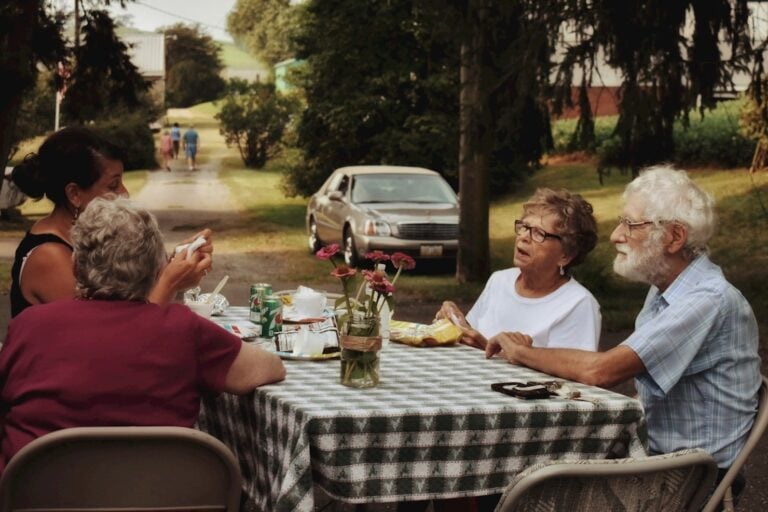
Alzheimer’s Mealtime: Eat Together to Eat Well
With dementia, it’s not just what you eat – it’s also how and where!
With dementia, it’s not just what you eat – it’s also how and where!

Betanin makes beets red. Betanin slows the #1 Alzheimer’s culprit, brain plaque. Learn the way it fights dementia and how much to eat or drink.

DIET: Years of good research suggests caffeine lowers dementia risk. New research uncovers a subtle twist – AFTER dementia kicks in, caffeine may exert negative effects. Get the facts.

MEMORY PROBLEMS, an early sign of Alzheimer’s, are linked to glucose sugar deprivation in brain cells. So is diabetes, a well-known Alzheimer’s risk factor. How strongly connected is the Alzheimer’s-Sugar-Diabetes triangle?

Heavy drinkers who have eight or more alcoholic drinks per week have increased risk of brain lesions called hyaline arteriolosclerosis, signs of brain injury that are associated with memory and thinking problems, according to a new study.

Blueberries can significantly improve cognitive performance within hours of consumption. Watch Dr. Greger on NutritionFacts.org to see how much.

Rosemary & sage extracts inspire a potential anti-inflammatory drug for Alzheimer’s. Scripps Research created a stable form of carnosic acid, improving memory in the lab.

Is dementia connected to blood vessel damage? Can I reverse blood vessel damage? Can I slow down dementia? How can improving my diet combat memory loss? Watch Heart Expert William Li.

VIDEO: 85 in Ikaria? Smile. On this Greek island, Alzheimer’s is almost non-existent. 85 in America? Your odds hit 50-50. Is it genes, diet or air? NBC travels to an unlikely place for answers: Cleveland, Ohio.

BRAIN-HEALTHY RECIPE: A taste-of-India Alzheimer’s-fighting side-dish. The chickpeas are rich in dementia-resistant arginine. High-in-iron spinach guards against stroke and vascular dementia, Indian curry’s neuroprotective turmeric offers the brain an added preventative to fight off Alzheimer’s. Serve over brown rice.

BETTER MOOD: In dementia, the brain loses abilities. This changes personality and behavior. Use this tip sheet’s suggestions to better understand, cope and manage the changes.

Easy golfing is great for people with dementia. It offers opportunities to socialize and be active, without memory or athletic constraints. See how one club integrated golf into the routine of a family living with dementia. Learn about an easy-to-set-up indoor/outdoor home golfing kit.

HOME DESIGN: Use this safety checklist for living at home with dementia. It can alert you to potential hazards.

Three important dementia studies focus on HS-AGING, a type of dementia almost as common as Alzheimer’s in the 85+ group. Yet few people have heard of it. Why? What makes it different?
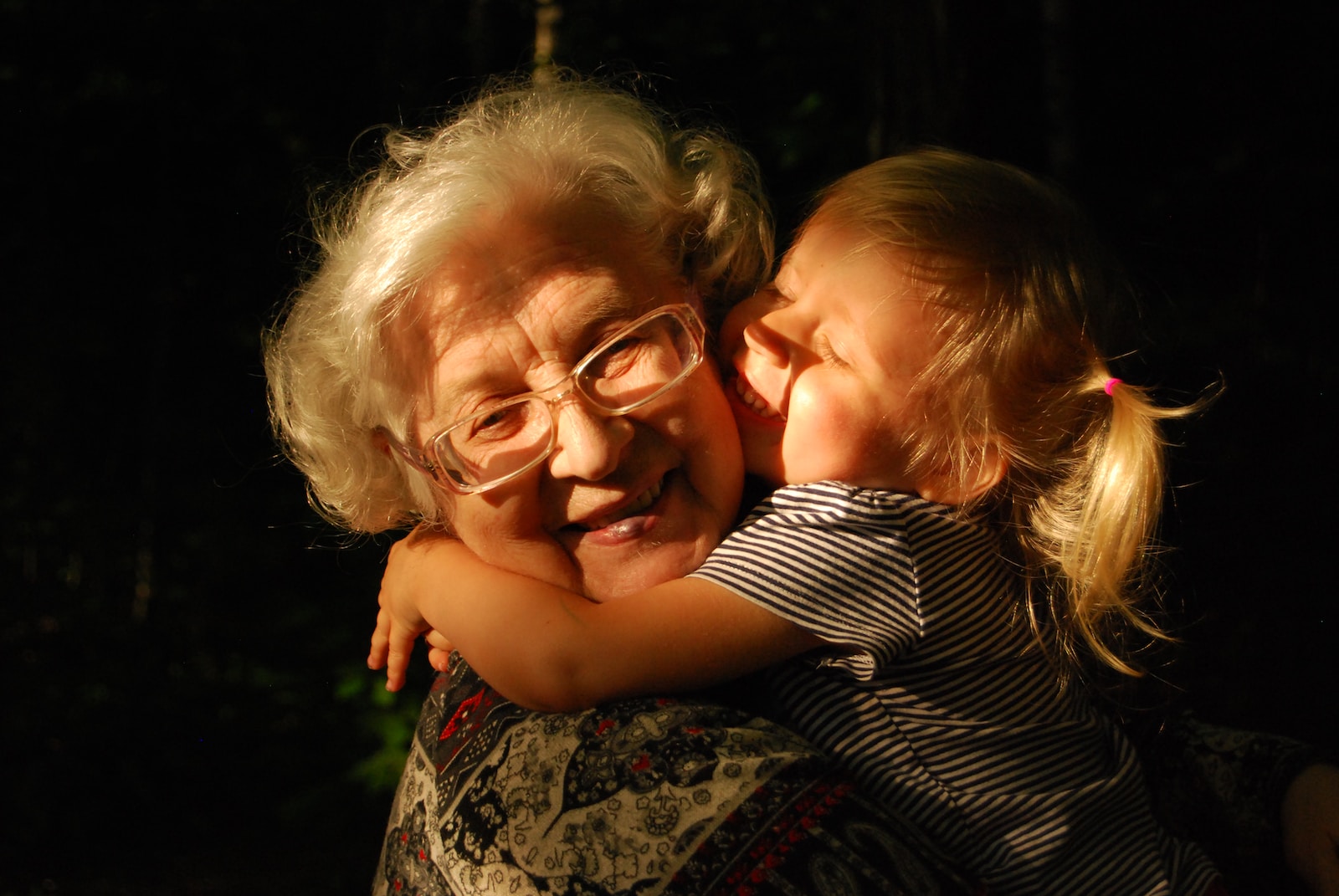
An intriguing study of 120 grandmothers might surprise you. Doctors know socially engaged people have better cognition and less dementia. But can a person get too much of a good thing? What’s the right balance?

Enjoy this great duet between a musician with dementia and his son. A triumph of spirit over Alzheimer’s! Sing-a-long if you like!

It looks like a sneeze cannot give anyone Alzheimer’s. While Alzheimer’s abnormal disease proteins do spread from cell-to-cell, they are not “infectious”. Check out the facts.