Brain-Healthy Curry Chickpea Wraps
Turmeric, a main ingredient in curry, is the spice of choice in fighting and preventing dementia. It’s popular in India, which has one of the world’s lowest rates of dementia. Try this delicious curry-filled wrap.
Turmeric, a main ingredient in curry, is the spice of choice in fighting and preventing dementia. It’s popular in India, which has one of the world’s lowest rates of dementia. Try this delicious curry-filled wrap.
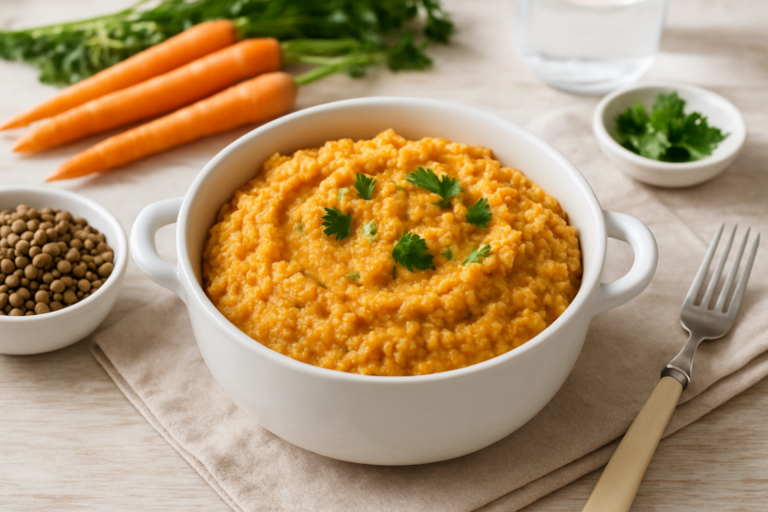
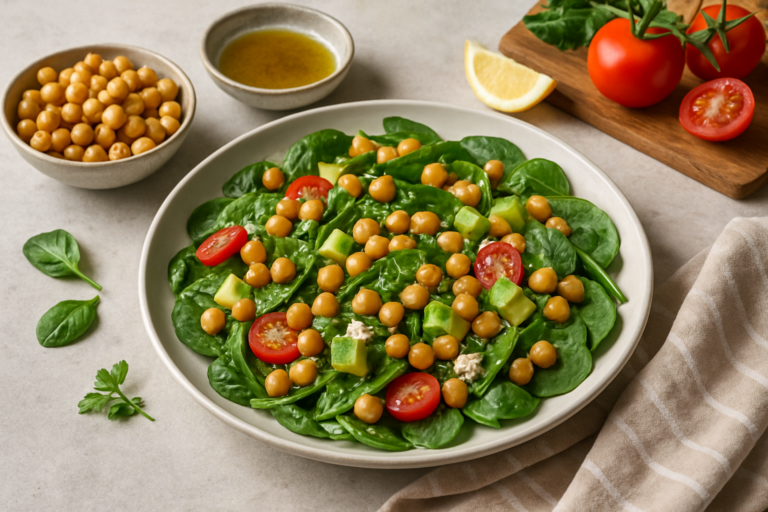
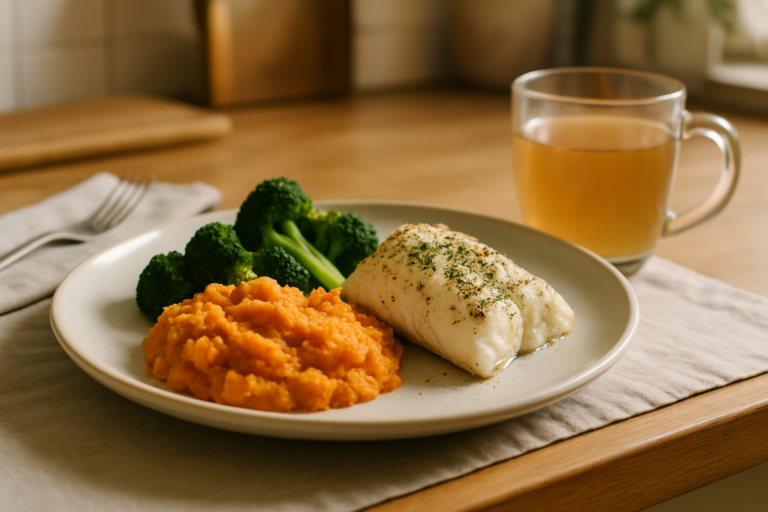
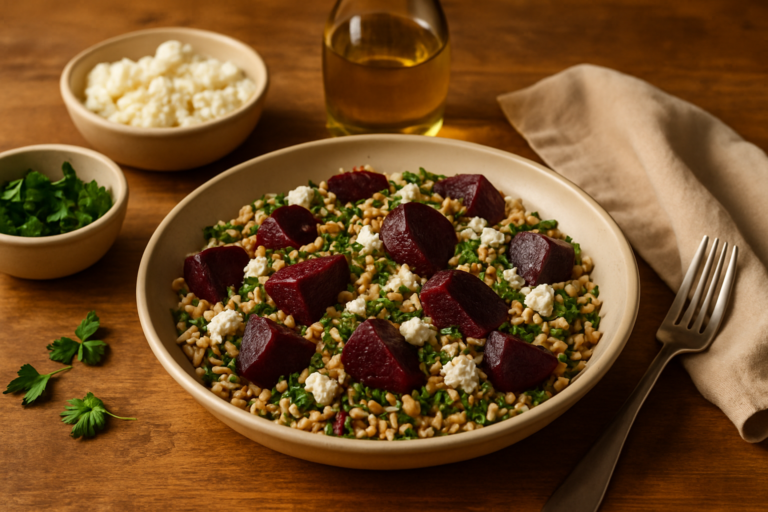
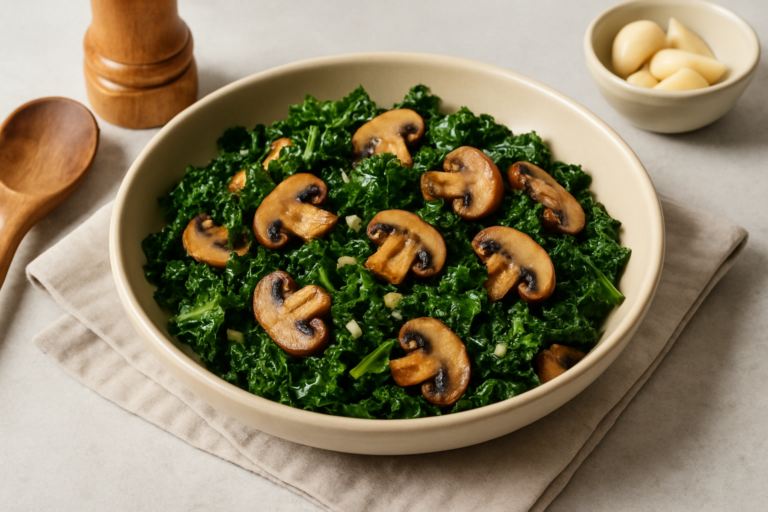
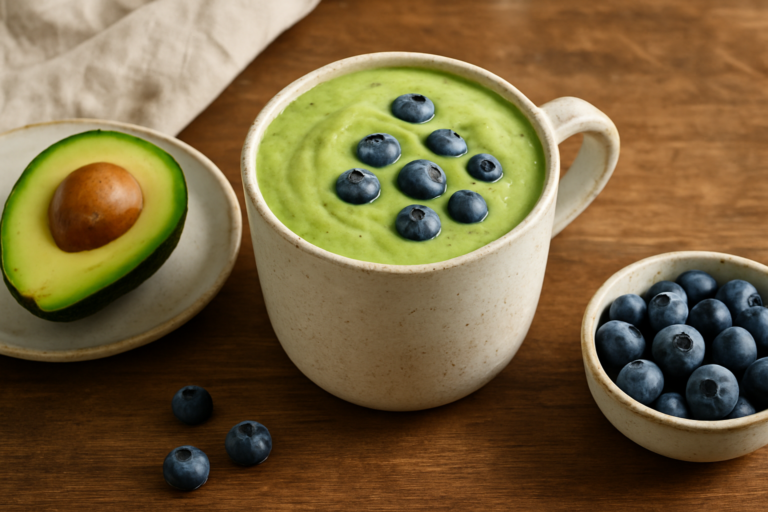
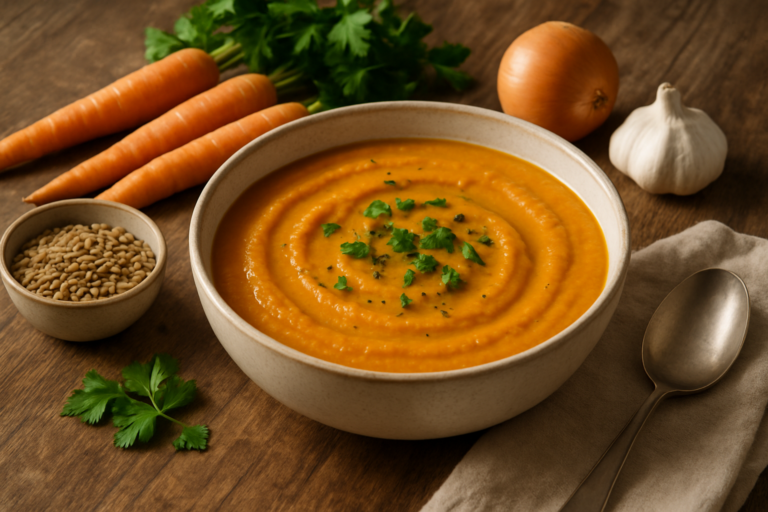
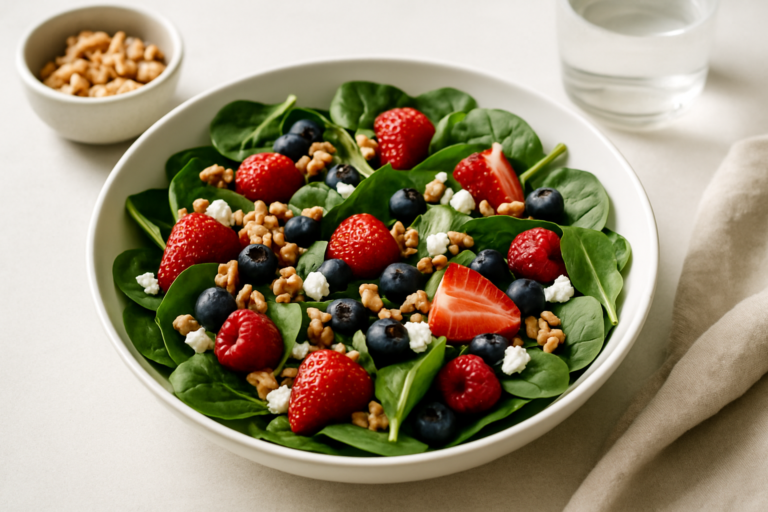
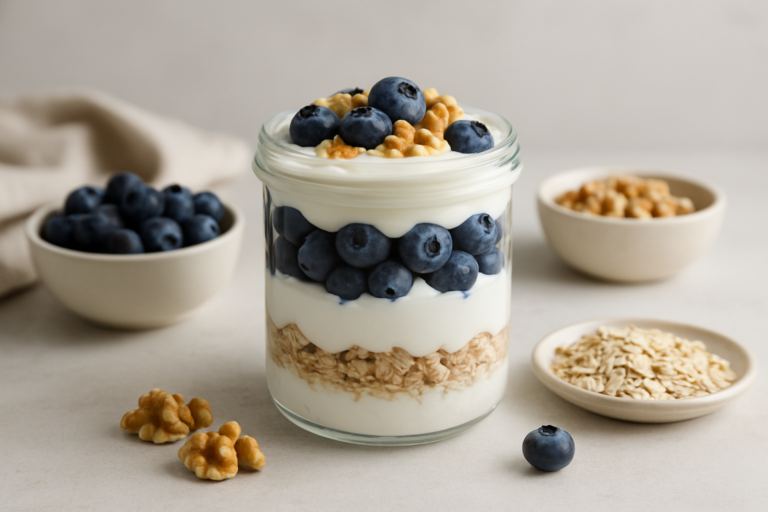
A simple MIND Diet recipe built around everyday ingredients that support a brain-healthy eating pattern. A simple MIND Diet breakfast with blueberries, walnuts, oats, and

COMMUNICATIONS VIDEO + TRANSCRIPT: In Alzheimer’s, talking to a loved one can be very frustrating. Here are 3 tips that can help.

VIDEO+ARTICLE: Depth of sleep impacts our brain’s ability to wash away waste and toxic proteins. Sleep becomes lighter and disrupted as we get older. A new study reveals intriguing links between aging, sleep deprivation, and Alzheimer’s risk.

STIMULATION VIDEO: See how Snoezelen Rooms offer sensory experiences designed for dementia. “We have found more stimulation slows down the progression of the disease process.” Relax, explore, hear Frank Sinatra, enjoy calming colors, even test memory.

Three important dementia studies focus on HS-AGING, a type of dementia almost as common as Alzheimer’s in the 85+ group. Yet few people have heard of it. Why? What makes it different?
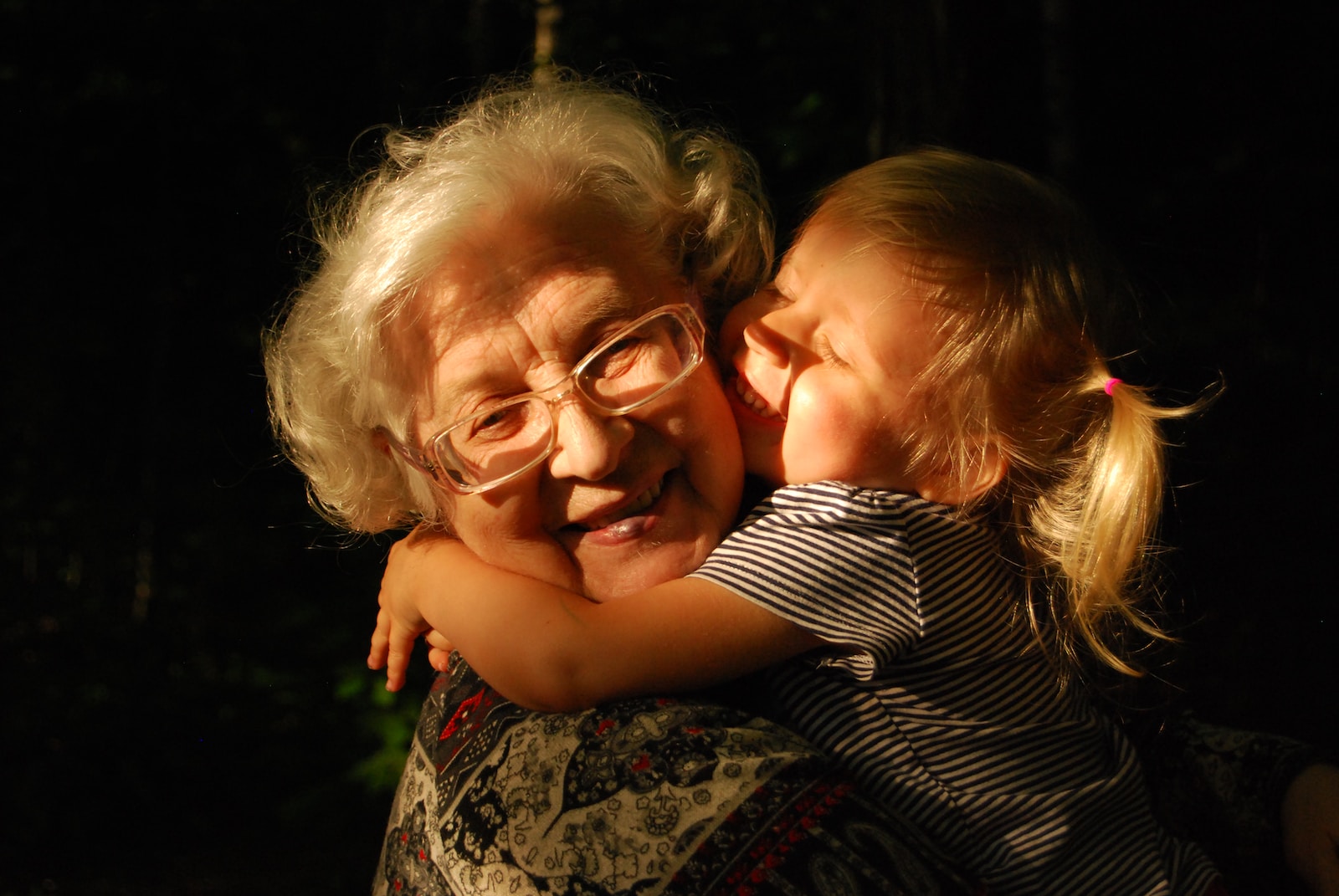
An intriguing study of 120 grandmothers might surprise you. Doctors know socially engaged people have better cognition and less dementia. But can a person get too much of a good thing? What’s the right balance?

Enjoy this great duet between a musician with dementia and his son. A triumph of spirit over Alzheimer’s! Sing-a-long if you like!

It looks like a sneeze cannot give anyone Alzheimer’s. While Alzheimer’s abnormal disease proteins do spread from cell-to-cell, they are not “infectious”. Check out the facts.