Vitamin D Fends Off Dementia
PREVENTION VIDEO + ARTICLE:
Researchers in Australia have discovered that taking sufficient Vitamin D can help stop Alzheimer’s. Learn more.
PREVENTION VIDEO + ARTICLE:
Researchers in Australia have discovered that taking sufficient Vitamin D can help stop Alzheimer’s. Learn more.

How to choose the right MCT oil for Alzheimer’s and dementia support.

MCT oil for Alzheimer’s is back in the spotlight with three fresh studies. Skepticism has been part of the conversation from the start, given how dietary approaches are often overhyped. The updated research deserves a careful, fresh look.
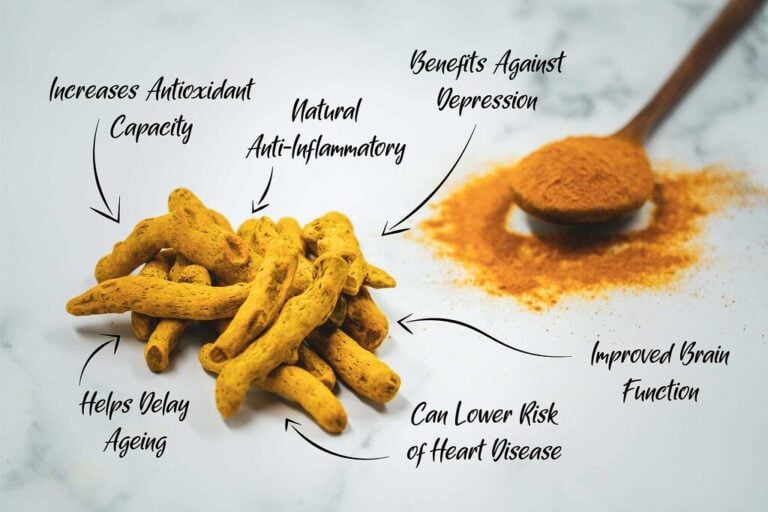
CURCUMIN (FROM TURMERIC) destroys Alzheimer’s plaque. Japanese researchers are developing an atomizer that generates a curcumin aerosol to get it past the blood-brain barrier barrier. Find out more.

DIET VIDEO: The Nigerian Paradox wonders: Why are Alzheimer’s rates low in Nigeria, despite dangerous “Alzheimer’s gene” rates? Does Nigeria’s diet hold the key?

CLR01, a “molecular tweezer”, keeps brain proteins from the clumping, or aggregating, that causes Alzheimer’s, Parkinson’s and Huntington’s dementia. Find out why CLR01 has strong potential as a new treatment.
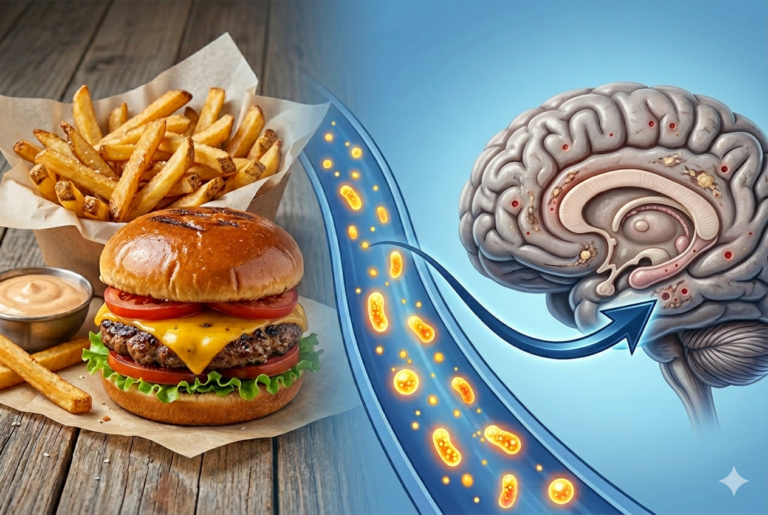
After fatty meals, certain toxins spike in the bloodstream—and have been found inside the amyloid plaques that drive Alzheimer’s. Learn how to eat better.

A daily cup of tea — and other delicious options — could help you to enjoy better health late in life. Read on to learn more.

Drinking to fight dementia? Which drinks are good and which are bad?
Harvard & Cleveland Clinic researchers offer scientific advice.

Researchers say it takes a dozen “intervention sessions” to improve cognition in those at risk for Alzheimer’s and other dementias.

FILM SHORT: Meet 6 people living fulfilling lives with dementia. This award-winning, true film explores the needs and feelings of real people with dementia.

UCLA CAREGIVER TRAINING VIDEO: Agitation and anxiety create resistance in people with Alzheimer’s and frustration for their caregivers. Learn techniques to solve and resolve these difficult moments.

WEATHER ALERT – 9 WAYS TO STAY SAFE WITH DEMENTIA: People can lose body heat fast. That’s called hypothermia. Big chills and Alzheimer’s are a dangerous combination. Learn 9 ways to stay safe in cold weather.

Three important dementia studies focus on HS-AGING, a type of dementia almost as common as Alzheimer’s in the 85+ group. Yet few people have heard of it. Why? What makes it different?
An intriguing study of 120 grandmothers might surprise you. Doctors know socially engaged people have better cognition and less dementia. But can a person get too much of a good thing? What’s the right balance?

Enjoy this great duet between a musician with dementia and his son. A triumph of spirit over Alzheimer’s! Sing-a-long if you like!

It looks like a sneeze cannot give anyone Alzheimer’s. While Alzheimer’s abnormal disease proteins do spread from cell-to-cell, they are not “infectious”. Check out the facts.