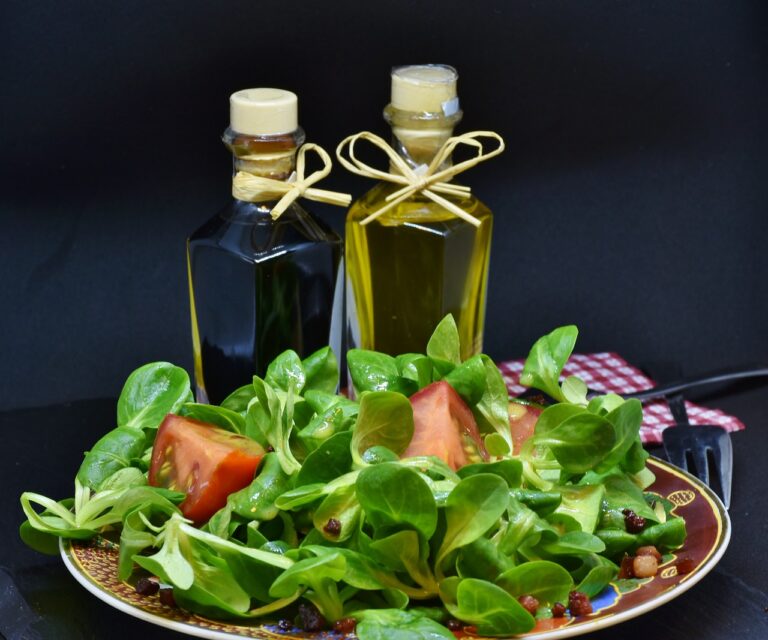
Olive Oil & Lettuce Protect Brain from Vascular Dementia
A diet that combines unsaturated fats with nitrite-rich vegetables, such as olive oil and lettuce, can protect you from hypertension and vascular dementia.
A diet that combines unsaturated fats with nitrite-rich vegetables, such as olive oil and lettuce, can protect you from hypertension and vascular dementia.

A new study suggests that very low sodium intake may be linked to faster memory decline in older adults.
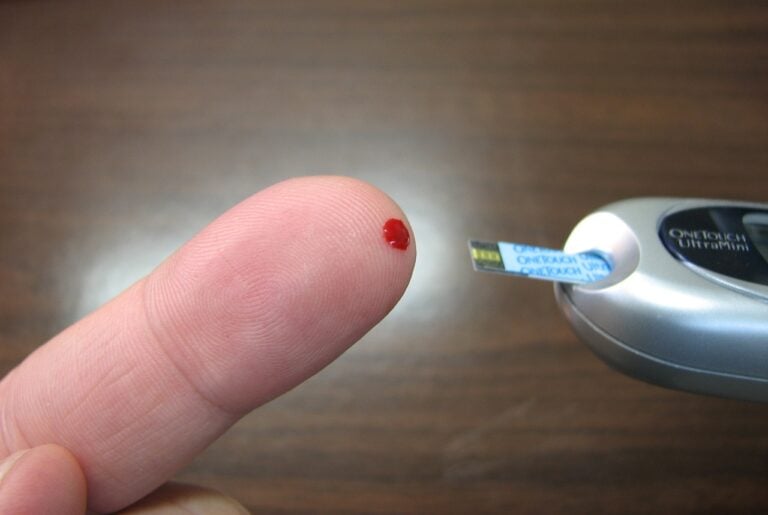
Mayo Clinic, America’s top research center, asked, “Is Alzheimer’s triggered by a form of brain diabetes?” An insulin nasal spray may help.

Lewis Hornby had a problem: his grandmother with dementia wasn’t drinking enough, causing her to get severely dehydrated.

DRINKING beet juice can increase blood flow to the brain in older adults. The way beet juice does this holds great potential for combating dementia.

Ketone-rich diets increase the SIRT3 protein that protects neurons from death during the progression of Alzheimer’s disease. But how does it work? Find out more.
Dietary iron is an essential element in the brain. That’s why it is critical to understand how it affects Alzheimer’s. Researchers used advanced X-ray techniques to take a giant step forward in understanding iron chemistry in amyloid plaque, the main culprit behind Alzheimer’s. Learn more about their exciting new insights.

Researchers find that a diet including more fruit, vegetables, beans and tea or coffee lowers the risk of developing dementia later in life. Learn more.
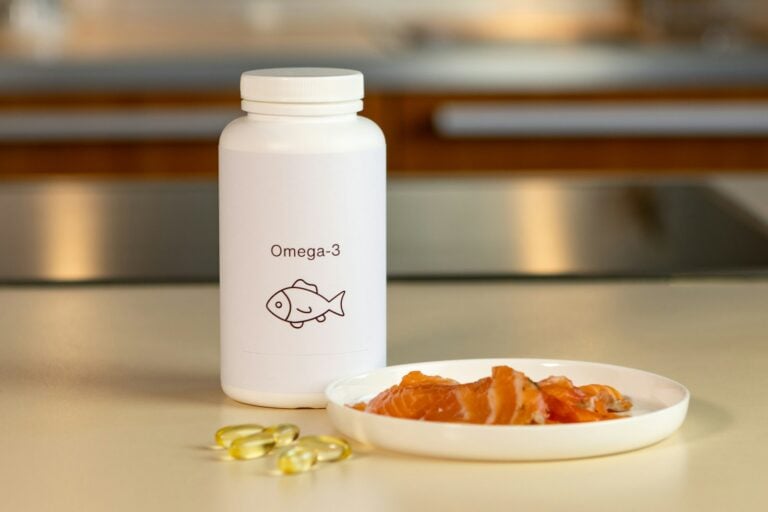
Higher midlife omega-3 levels were linked to lower early-onset dementia risk. It’s not proof — but it’s a meaningful signal worth paying attention to.

VIDEO If you live to 85, there’s a 50/50 chance of getting a dementia such as Alzheimer’s. What if you could improve those odds by

Desi has Alzheimer’s. She lives in a dementia facility with a 1940’s “Retro” living room and kitchen. Old-time music helps residents remember bygone days. It’s reminiscence as therapy. See it in action.

FREE 32-PAGE BOOK: Dementia design improves the independence of people with dementia. This online book is available at no charge. Learn dozens of clever design tips that can make a world of difference.

DEMENTIA DIET TIPS – VIDEO: What’s tasty and what’s not for people with Alzheimer’s? Find out from Teepa Snow. Learn what to expect when medication is mixed with food. Turn meals into a real time for connecting.

Three important dementia studies focus on HS-AGING, a type of dementia almost as common as Alzheimer’s in the 85+ group. Yet few people have heard of it. Why? What makes it different?
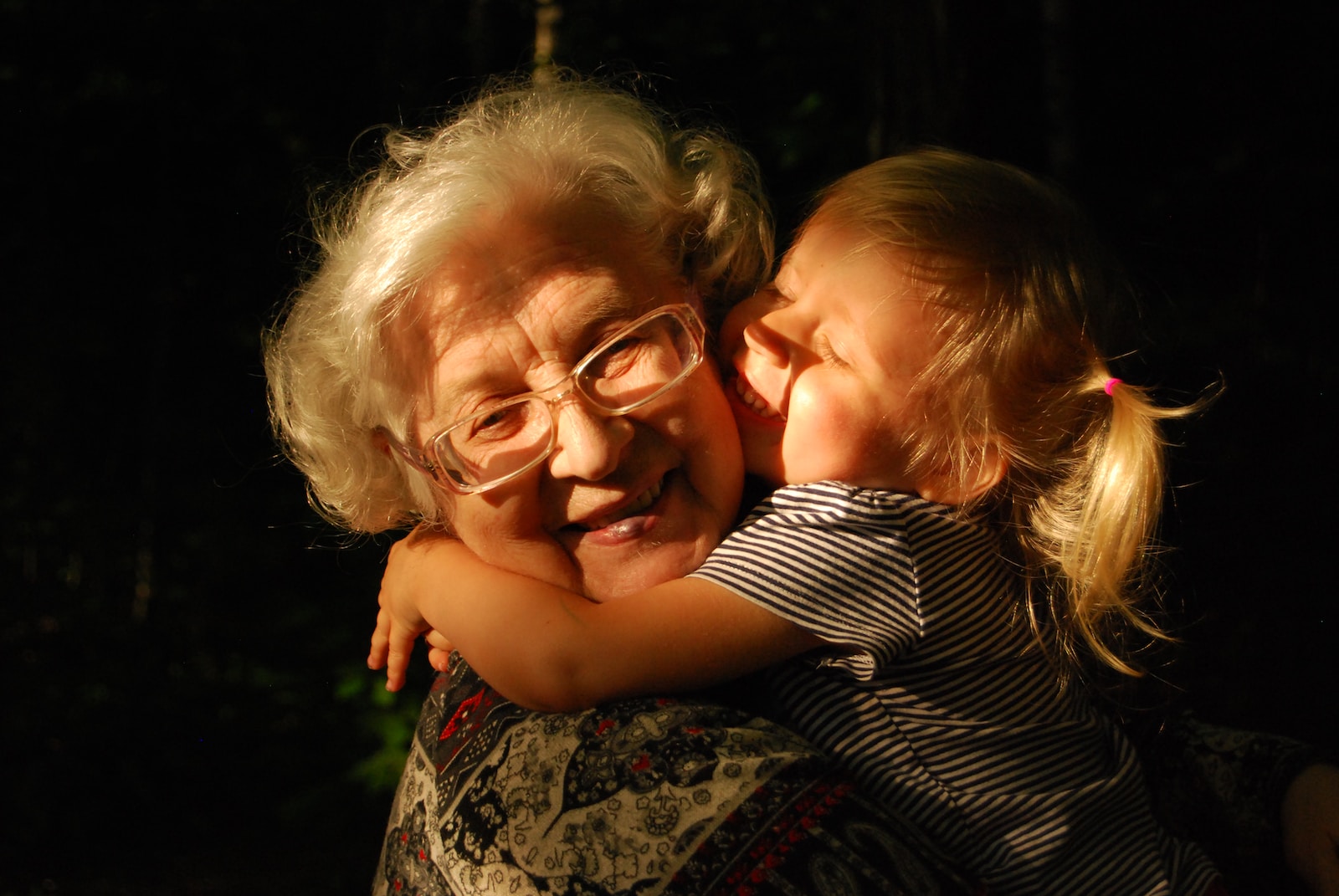
An intriguing study of 120 grandmothers might surprise you. Doctors know socially engaged people have better cognition and less dementia. But can a person get too much of a good thing? What’s the right balance?

Enjoy this great duet between a musician with dementia and his son. A triumph of spirit over Alzheimer’s! Sing-a-long if you like!

It looks like a sneeze cannot give anyone Alzheimer’s. While Alzheimer’s abnormal disease proteins do spread from cell-to-cell, they are not “infectious”. Check out the facts.