
Brains & Blueberries
Blueberries can significantly improve cognitive performance within hours of consumption. Watch Dr. Greger on NutritionFacts.org to see how much.
Blueberries can significantly improve cognitive performance within hours of consumption. Watch Dr. Greger on NutritionFacts.org to see how much.
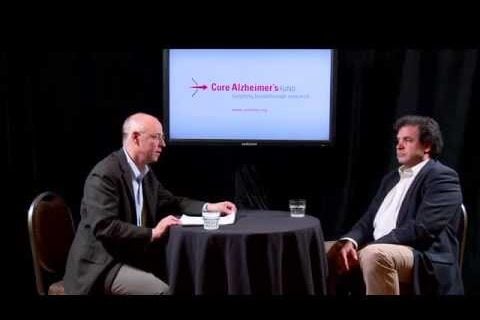
GENETICS & LIFESTYLE VIDEO: How do family history and genetics affect a healthy person’s risk of Alzheimer’s? Watch Harvard’s Top Alzheimer’s researcher, Dr. Rudy Tanzi, offer down-to-Earth insights.

Is dementia connected to blood vessel damage? Can I reverse blood vessel damage? Can I slow down dementia? How can improving my diet combat memory loss? Watch Heart Expert William Li.
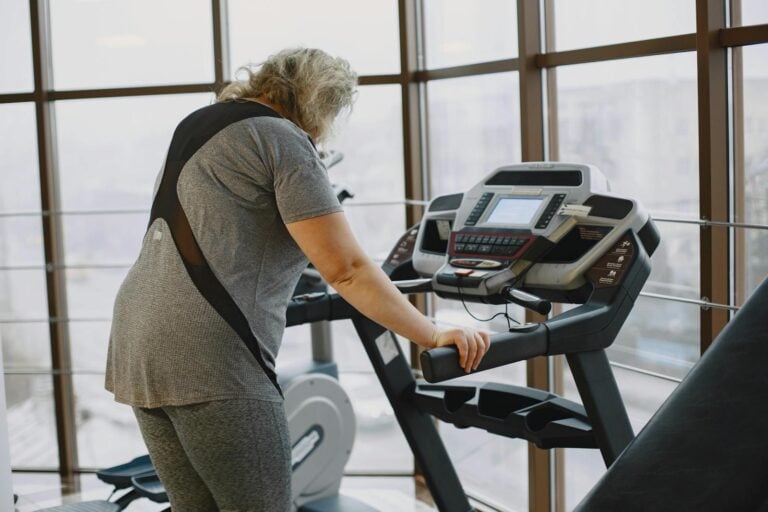
In an extensive 25-year study, researchers found people who stayed on treadmills longer tended to score higher on memory tests. Study participants recalled more words correctly on a memory test for every additional minute they ran.
Get the details.
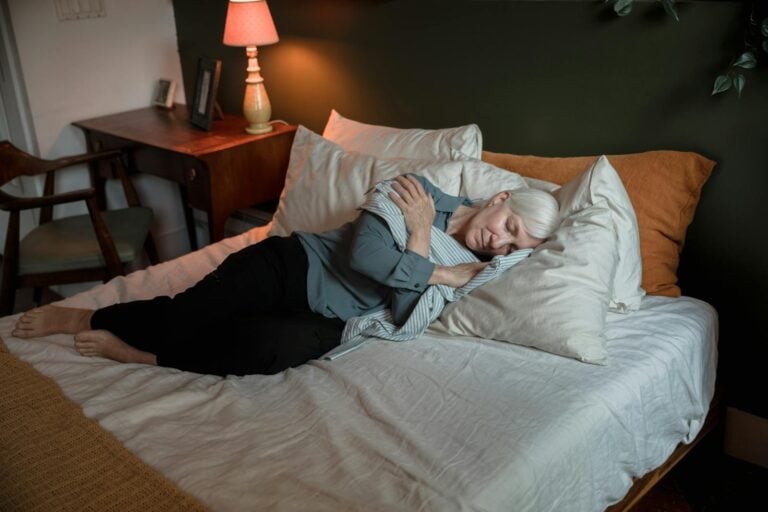
VIDEO+ARTICLE: Depth of sleep impacts our brain’s ability to wash away waste and toxic proteins. Sleep becomes lighter and disrupted as we get older. A new study reveals intriguing links between aging, sleep deprivation, and Alzheimer’s risk.
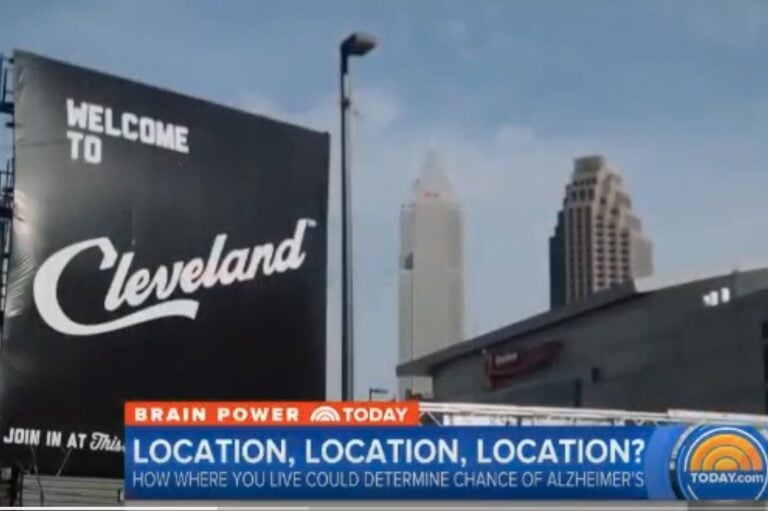
VIDEO: 85 in Ikaria? Smile. On this Greek island, Alzheimer’s is almost non-existent. 85 in America? Your odds hit 50-50. Is it genes, diet or air? NBC travels to an unlikely place for answers: Cleveland, Ohio.
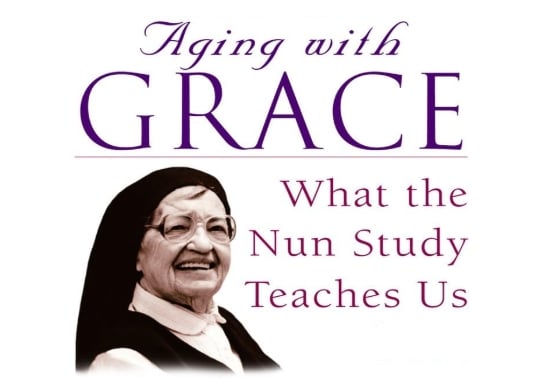
Read this 2025 update on “The Nun Study,” analyzing more than 30 years of aging and dementia patterns of 678 nuns from the School Sisters of Notre Dame. Then watch 2 videos that take you inside.
VIDEO + ARTICLE: 40,000 people around the world participated in Western University’s sleep and brain health study. See Neuroscientists use cognitive performance activities to revealed surprising insights. Get 6 sleep tips.
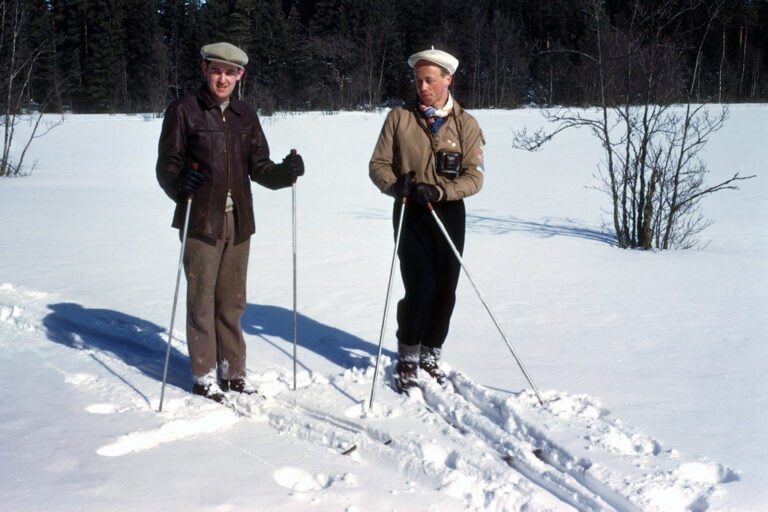
STUDY OF 200,000 SWEDE SKIERS: 50% less likely to develop vascular dementia, half as likely to be depressed, and if Parkinson’s strike, it’s very delayed – despite pathological changes in the brain. Learn more.

Women with strokes caused by blood clots arrive at the hospital an average 27 minutes later than men, a delay that can damage brain cells and lead to vascular dementia. Read the startling statistics, and learn what to do about it.

AS PROFESSIONAL sports teams battle concussion-dementia lawsuits, research confirms damage to the brain can persist decades after head trauma. Learn why and what to do.

“What They Had” is a hit film centering on a colorful family, pulling together to rise above Alzheimer’s. Heartbreaking but funny, see scenes from this uplifting motion picture.

Teepa shows how to make the most from the ability to communicate with dementia. Watch now.

Three important dementia studies focus on HS-AGING, a type of dementia almost as common as Alzheimer’s in the 85+ group. Yet few people have heard of it. Why? What makes it different?
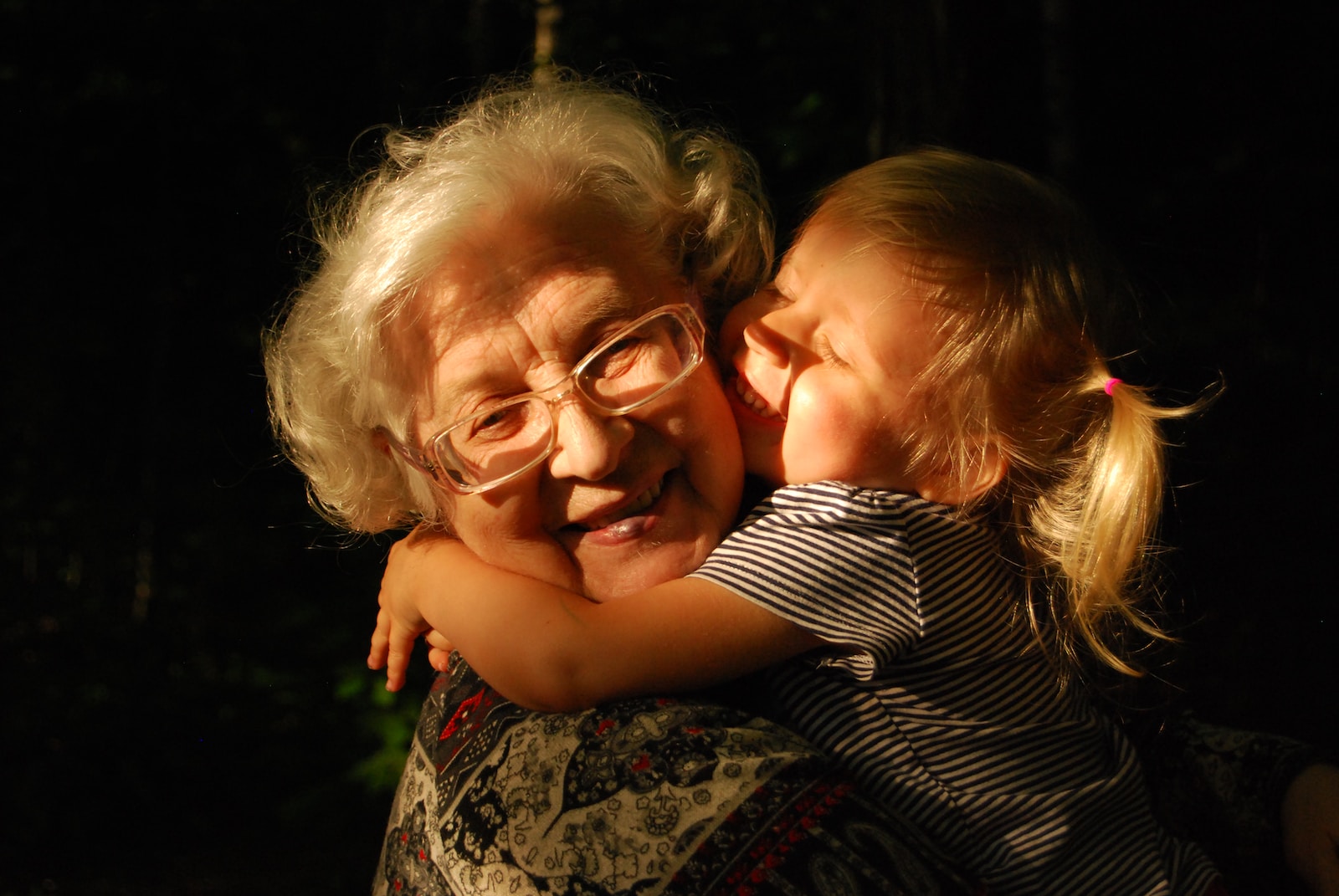
An intriguing study of 120 grandmothers might surprise you. Doctors know socially engaged people have better cognition and less dementia. But can a person get too much of a good thing? What’s the right balance?

Enjoy this great duet between a musician with dementia and his son. A triumph of spirit over Alzheimer’s! Sing-a-long if you like!

It looks like a sneeze cannot give anyone Alzheimer’s. While Alzheimer’s abnormal disease proteins do spread from cell-to-cell, they are not “infectious”. Check out the facts.


